
Unbiased headlines. Facts, not spin.
Every story is an unbiased news briefing written from 110+ sources across the spectrum — sources linked so you can verify it yourself.
 finance
Major Story (7/10)
June 26, 2026 at 02:33 AM
finance
Major Story (7/10)
June 26, 2026 at 02:33 AM
Cathay Financial Founder's Son Allegedly Assaulted Bank Chairman Over Conflict-of-Interest Dispute in Taipei
What Happened
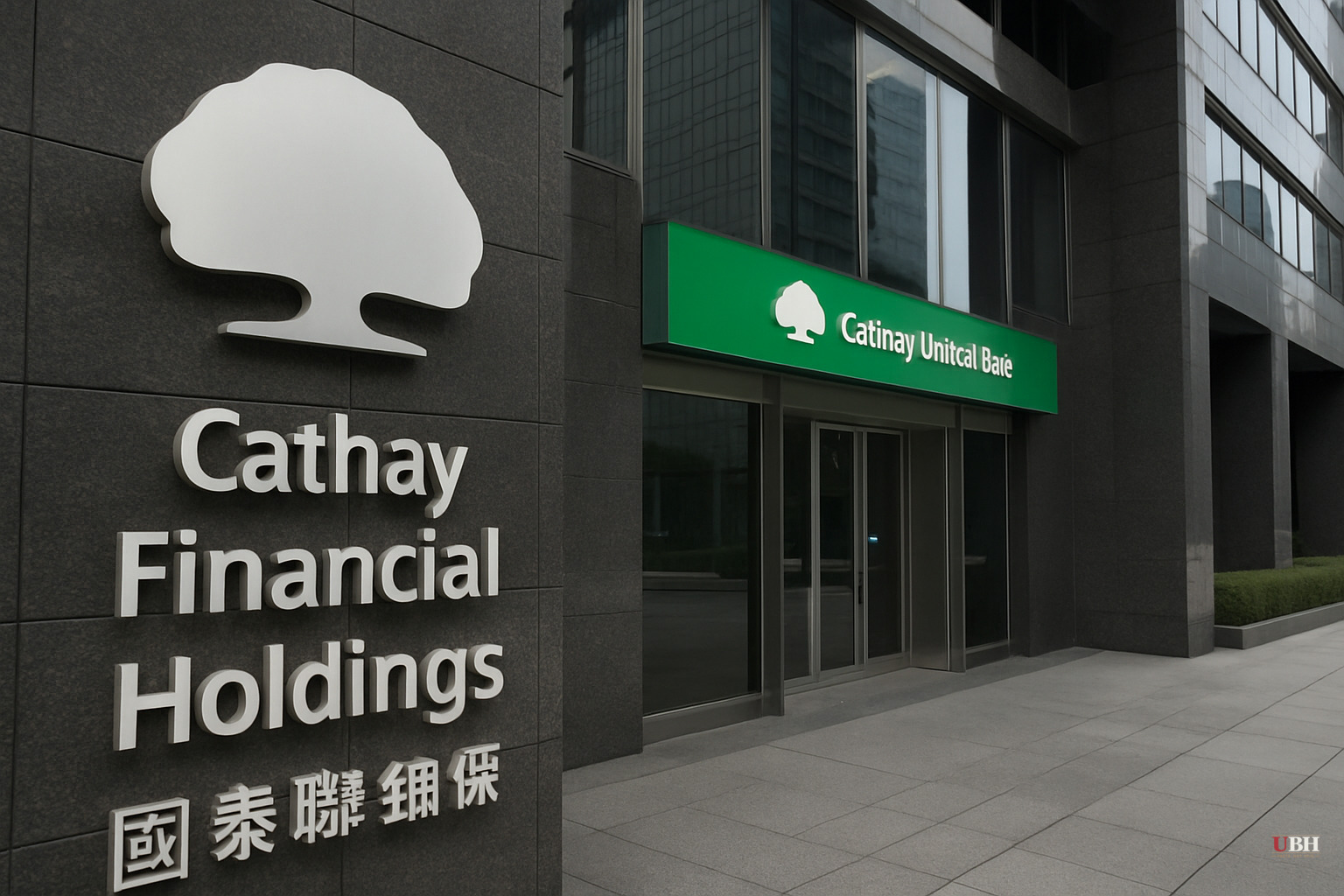
Tsai Chen-yu, who is in his 70s and holds no official position at Cathay Financial Holding Co., allegedly attacked Cathay United Bank chairman Kuo Ming-jian at the conglomerate's Taipei headquarters on Tuesday, according to a statement issued by the bank on Wednesday and reported by the Taipei Times.
Local police dispatched officers to the scene, according to local media cited by both the Taipei Times and Bloomberg via Crain Currency. Tsai Chen-yu could not be reached for comment.
Who These People Are
Cathay Financial is Taiwan's largest financial holding group. Tsai Chen-yu is the youngest son of founder Tsai Wan-lin and the brother of sitting Cathay Financial chairman Tsai Hong-tu. Despite that family connection, he carries no formal title or executive authority within the company.
Kuo Ming-jian is chairman of Cathay United Bank, the conglomerate's banking arm. He also served as a board member at Cathay Securities Investment Trust, the group's asset-management subsidiary.
The Governance Problem Underneath It
The dispute traces back to a conflict-of-interest finding against Kuo. An internal review by Cathay Securities Investment Trust revealed that Kuo's concurrent role as an independent director at Alchip Technologies Ltd., a local semiconductor design company, created investment conflicts with eight of the unit's funds.
The regulatory breach forced the unit to restate the net asset values of those funds, resulting in losses of NT$454 million, roughly US$14 million. That figure was reported last week by Taiwan's Liberty Times, the Taipei Times' Chinese-language sister paper.
Kuo resigned from his Alchip directorship on Monday, one day before the alleged altercation.
The Bank's Response
Cathay United Bank issued a written rebuke of Tsai Chen-yu on Wednesday. The statement said the confrontation appeared to stem from a "misunderstanding" over Kuo's outside business roles, but the bank drew a firm line: "Resorting to physical confrontation was not an appropriate means of expressing his views or demands."
On the substance of Kuo's governance record, the bank pushed back against any suggestion of deliberate concealment. It said all of Kuo's external positions were "duly disclosed and reported in accordance with applicable laws and regulations," according to both the Taipei Times and Crain Currency.
The Strongest Defense of Tsai's Concern
A family member who helped build one of Taiwan's largest financial institutions watching NT$454 million in fund losses result from a senior executive's conflict of interest has a legitimate underlying complaint. Regulators confirmed the conflict was real. The restatement of net asset values confirms actual financial harm to investors. Whatever the bank says about disclosure compliance, the internal review found the problem, and it was serious enough to force a chairman's resignation.
That concern, however legitimate in its origin, does not justify a physical assault. Tsai's lack of any official role makes his method of expressing it both legally and institutionally indefensible. The bank's statement makes clear the dispute should have gone through legal and formal channels.
The Disclosure Question
The bank's claim that Kuo properly disclosed all external roles sits in tension with the fact that an internal compliance review identified a material conflict. Whether Kuo disclosed the role and regulators missed the conflict implication, or whether the disclosure was inadequate, is a distinction the sources do not fully resolve.
What Comes Next
The NT$454 million restatement is confirmed. Kuo's Alchip resignation is confirmed. What remains open is whether Taiwan's financial regulators will pursue enforcement action against Kuo for the conflict-of-interest breach, and whether Tsai Chen-yu faces any legal consequences from the altercation itself. Given that police were physically summoned to the headquarters of Taiwan's largest financial holding group over a confrontation involving a founding family member, those questions are unlikely to stay unanswered for long.
Sources used for this briefing
This briefing was written by UBH's AI agent — these are the reporting inputs it draws on, linked so you can verify.


