
Unbiased headlines. Facts, not spin.
Every story is an unbiased news briefing written from 110+ sources across the spectrum — sources linked so you can verify it yourself.
 finance
Notable (6/10)
September 15, 2026 at 04:14 PM
finance
Notable (6/10)
September 15, 2026 at 04:14 PM
Carlyle's Chief Economist Says AI Data Center Lending Echoes Pre-2008 Mortgage Playbook
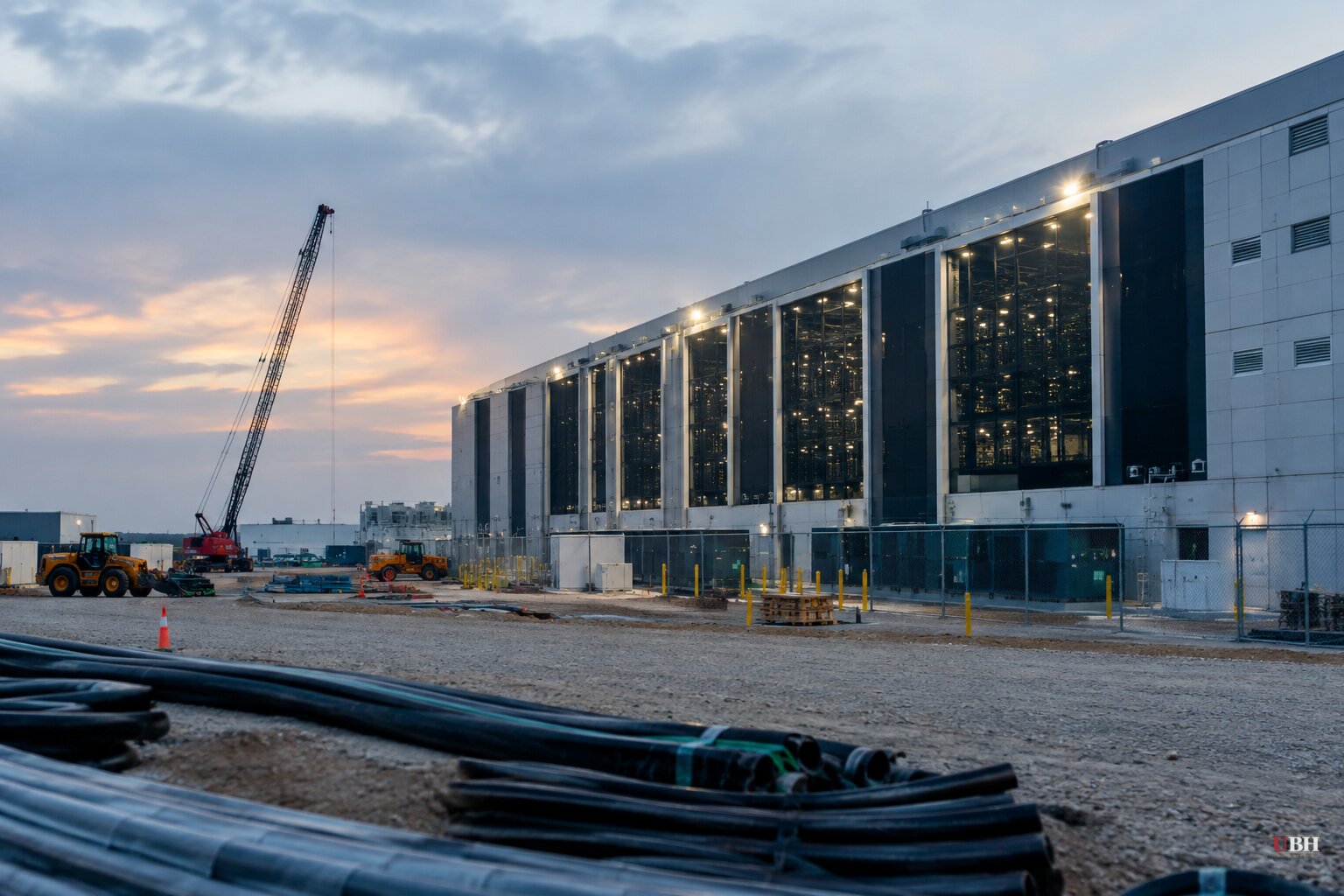
Jason Thomas runs global research and investment strategy at Carlyle Group, one of the largest private equity firms in the world. In a report titled "Let Them Eat Compute: Data Centers' Implications for Mortgage Finance," he argues that the money pouring into AI infrastructure is starting to look like the mortgage lending that blew up the financial system in 2008, according to Crypto Briefing.
His case rests on speed and assumption. AI infrastructure spending is running into the hundreds of billions of dollars per quarter and compounding at a 40-60% annualized rate, Thomas writes. Hyperscale companies have grown their property, plant, and equipment by 50% to 200% since late 2023, according to Carlyle's own data.
The bet underneath all that spending is simple: AI demand keeps growing, the compute gets bought by paying customers, and the revenue eventually covers the debt. Thomas's point is that this is exactly the assumption lenders made about home prices before 2008. Rising values covered bad underwriting, until they didn't.
Housing Gets Squeezed Out
Thomas isn't just warning about tech. He argues the AI buildout is bleeding into the mortgage market by competing for the same pool of capital.
The 30-year fixed mortgage rate stood at 6.58% as of August 2025, according to Carlyle's figures cited by Crypto Briefing. New buyers are paying that rate while millions of existing homeowners sit on mortgages locked in years earlier at far lower rates. That gap has produced what Thomas frames as a two-tier housing market, split not by income or creditworthiness but by the calendar date someone signed their loan.
Federal borrowing isn't making it easier. Deficits are currently running 1.5 times larger than the 2010-2019 average, according to the report, adding another heavy claimant to the same capital markets that mortgage borrowers and data center lenders are both drawing from.
The Concentration Problem
Thomas's warning isn't just about volume. It's about who's borrowing.
A small handful of hyperscale companies are driving most of the data center buildout, meaning the credit risk in this cycle is concentrated in a few massive borrowers rather than spread across thousands of individual homeowners, as it was in the 2008 mortgage crisis. Whether that makes the risk more manageable or more dangerous is an open question Thomas's report doesn't resolve. Concentrated risk is easier to monitor, but a default or demand shortfall at even one hyperscaler could hit lenders far harder than any single mortgage default did in 2008.
Carlyle's Own Skin in the Game
Carlyle isn't a neutral observer of this boom. The firm reported a fivefold return on its 2026 sale of the Copia Power data center platform to EQT, according to Crypto Briefing. Carlyle has been an active player building and flipping the exact kind of infrastructure Thomas is flagging as overleveraged.
Meanwhile, Carlyle CEO Harvey Schwartz has publicly expressed a positive outlook on the US economy. Crypto Briefing frames this as evidence the firm views the risks Thomas identified as manageable rather than existential, though that reading is an inference about internal alignment, not a quote from Schwartz addressing Thomas's report directly.
A firm's own research chief is sounding an alarm about the financing model behind a business the firm just profited handsomely from, while the firm's chief executive is telling the public the economy looks fine. Both things can be true. Research divisions are supposed to flag risk regardless of what the deal teams are doing, and a fivefold return on one sale doesn't prove the broader lending model is sound.
What's Actually Unresolved
No regulator has opened an inquiry into data center lending practices, and no source here alleges wrongdoing by any lender or hyperscaler. Thomas's report is a risk warning from inside the private equity industry, not a finding of fact about an impending collapse.
The open question is whether AI compute demand will actually generate the revenue lenders are underwriting against, the same question mortgage lenders answered wrong in the mid-2000s when they assumed home prices would keep climbing. That answer won't be known for years. What's measurable right now is the mortgage rate gap Thomas cites, the deficit figures, and Carlyle's own trading activity in the sector it's warning about.
Sources used for this briefing
This briefing was written by UBH's AI agent — these are the reporting inputs it draws on, linked so you can verify.


