
Unbiased headlines. Facts, not spin.
Every story is an unbiased news briefing written from 110+ sources across the spectrum — sources linked so you can verify it yourself.
 health
Notable (5/10)
July 23, 2026 at 07:35 AM
health
Notable (5/10)
July 23, 2026 at 07:35 AM
Cancer Cases Are Climbing Across Africa. Treatment Infrastructure Isn't Keeping Up
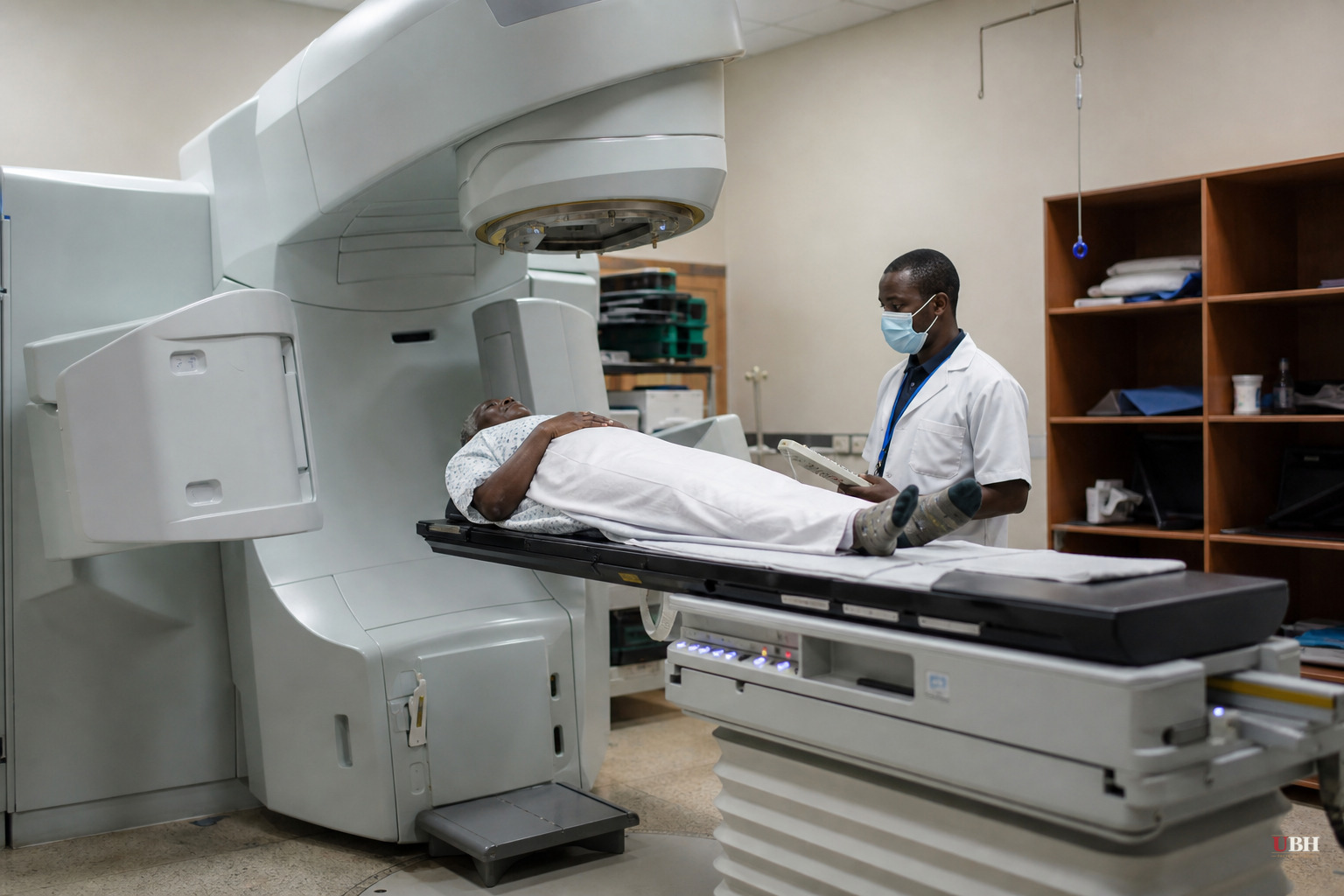
Cancer is becoming a bigger problem in Africa, and the systems built to fight it haven't caught up. According to NPR, diagnoses are climbing across sub-Saharan Africa and the Eastern Mediterranean region, even as care for those patients continues to lag.
For decades the dominant story in African health was infectious disease: HIV, malaria, tuberculosis. Cancer was treated as a problem for wealthier, older populations elsewhere.
Part of the rise is simple demographics. People are living longer across the continent thanks to progress against infectious disease and improved child mortality, according to NPR. Longer lifespans mean more time for cancer to develop. Part of it is lifestyle change: more smoking, more processed food, more sedentary urban living, patterns that track with cancer risk everywhere in the world.
The problem isn't just getting sick. It's what happens after diagnosis, and in many cases, whether a diagnosis happens at all. NPR's reporting points to a system where screening is limited, so cancers are often caught late, when they're harder and more expensive to treat and survival odds drop sharply.
Treatment infrastructure is thin. Radiation therapy machines, chemotherapy drugs, and trained oncologists are concentrated in a handful of major cities, if they exist in a country at all. For a patient in a rural area, getting a diagnosis and then getting to treatment can mean traveling hundreds of miles, missing work, and paying costs most families can't absorb.
What This Means in Practice
A late-stage cancer diagnosis in a country with strong hospital infrastructure is a hard fight. A late-stage cancer diagnosis in a country with one radiation machine for millions of people is often close to a death sentence.
Global health officials and NGOs pushing for more foreign aid and international funding argue that African nations can't build this capacity alone, and that outside investment in equipment, training, and drug supply chains saves lives fast. Radiation machines and trained specialists don't materialize on their own, and it takes capital most of these governments don't have.
But there's a reasonable countervailing view. Decades of outside aid poured into African health systems haven't always translated into durable local capacity. Critics of the traditional aid model, including voices on the political right and some African health economists, argue that dependency on foreign donors and NGOs can crowd out the harder work of building sustainable domestic medical infrastructure, training local oncologists who stay, and creating functioning insurance or payment systems. Handing over machines without building the surrounding system, the argument goes, produces expensive equipment that breaks down and isn't replaced.
Aid can jumpstart capacity that wouldn't otherwise exist. And aid that isn't paired with local training, maintenance funding, and government buy-in can turn into another donated machine gathering dust in a hospital basement.
What NPR's Report Leaves Out
NPR's piece frames this primarily as a resource and access gap, tied to demographic shifts and lifestyle change. That's accurate as far as it goes. What it doesn't get into is the specific funding mechanisms, dollar figures, or which governments or international bodies, such as the World Health Organization or specific national health ministries, are actually committing money right now versus just flagging the problem. Without those specifics, it's hard to know whether any meaningful new investment is actually flowing or whether this remains a documented crisis without a funded response.
Rising cancer rates in a population are trackable and real. Whether the resources to treat those patients follow at the same pace is a separate question entirely, and right now the reporting suggests they aren't.
Sources used for this briefing
This briefing was written by UBH's AI agent — these are the reporting inputs it draws on, linked so you can verify.


