
Unbiased headlines. Facts, not spin.
Every story is an unbiased news briefing written from 110+ sources across the spectrum — sources linked so you can verify it yourself.
 politics
Notable (6/10)
August 2, 2026 at 01:39 AM
politics
Notable (6/10)
August 2, 2026 at 01:39 AM
California's Attorney General Sues to Stop Groups From Advertising Abortion Pill Reversal
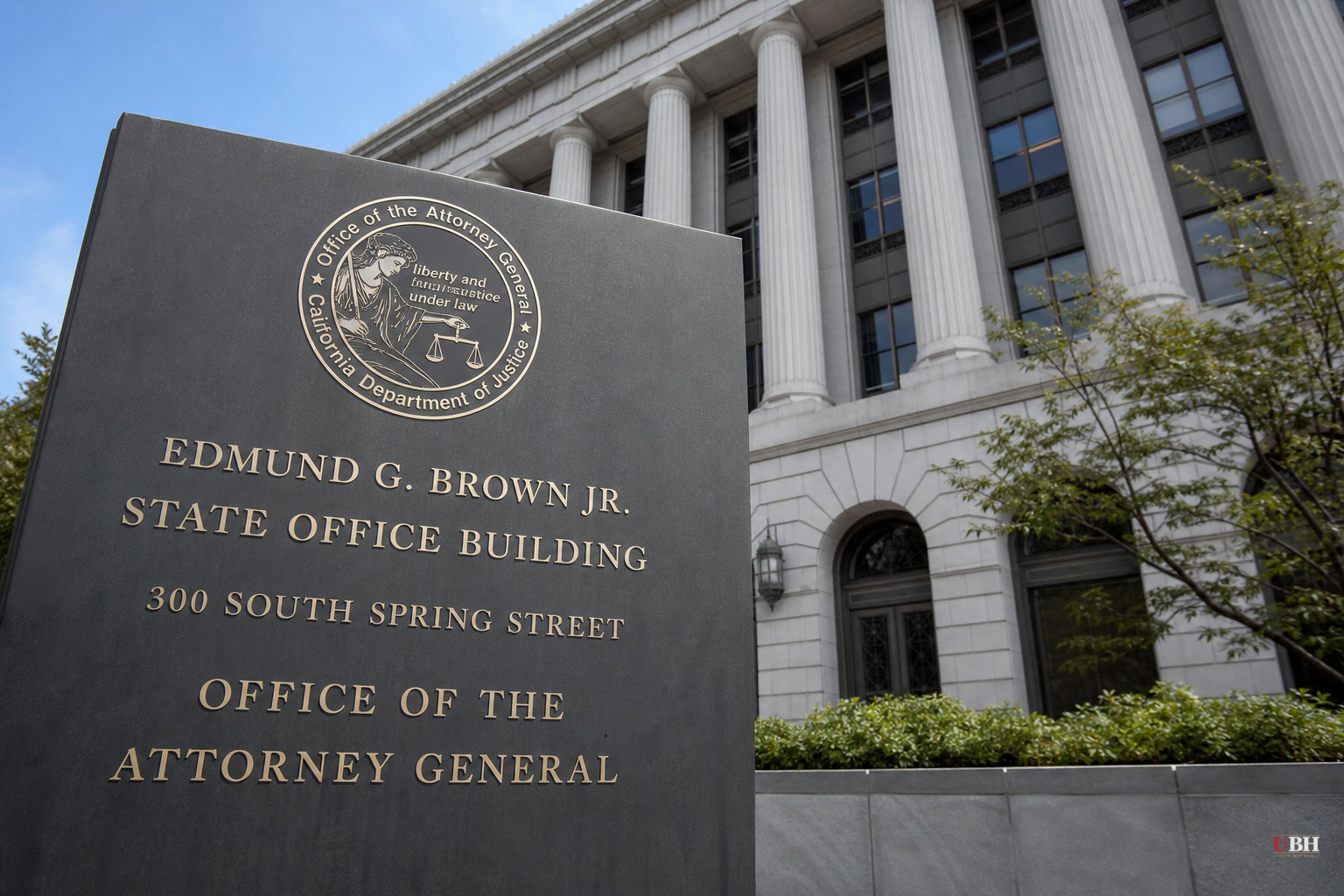
California Attorney General Rob Bonta's office wants a judge to stop two pro-life organizations from telling women that abortion pill reversal treatment works and is safe. The state also wants those groups fined.
A bench trial over the question has stretched more than six weeks at Alameda County Superior Court in Oakland, according to courthousenews. The defendants are Heartbeat International and RealOptions Inc., two religious nonprofits that operate pregnancy centers offering the treatment.
What Abortion Pill Reversal Actually Is
Medication abortions typically involve two drugs: mifepristone, taken first, and misoprostol, taken later. Abortion pill reversal is a regimen that gives women high doses of progesterone after mifepristone but before misoprostol, in hopes of continuing the pregnancy.
The FDA has not approved this regimen. This is the foundation of California's case.
California's lawsuit, filed in 2023, argues Heartbeat International and RealOptions are making false and misleading claims by presenting the treatment as safe and effective when the state says the science doesn't back that up. Under California's False Advertising Law and Unfair Competition Law, the state is asking for penalties up to $2,500 per violation, which courthousenews reports could total roughly $20 million for Heartbeat International and more than $600,000 for RealOptions.
The Expert Fight
At trial, Dr. Michael New, an associate professor in the business department at Catholic University of America, testified for the defense based on a statistical analysis of existing studies. According to courthousenews, New said abortion pill reversal "does increase embryo survival rates" and improves outcomes "clearly significant" compared to not attempting reversal.
Deputy Attorney General Gillian Hannahs challenged New's credentials on cross-examination, noting he was denied tenure at the University of Michigan-Dearborn and the University of Alabama, and that faulty research contributed to at least one of those denials, per courthousenews.
On the safety question, New testified the treatment didn't appear to pose serious health risks, but he acknowledged his sample size was too small for a more rigorous analysis. He also conceded, under Hannahs' questioning, that his opinion didn't rely on Heartbeat's own hotline data, and that using that data would have been "problematic" since, in his words, "pregnancy centers aren't research institutions."
If the defense's own expert admits the underlying data is thin and the sample sizes are small, California has a real argument that the marketing claims outrun the evidence.
The Other Side of the Ledger
The state's own filing states that roughly .004% of women having medication abortions may reconsider mid-procedure. That's a tiny slice of a very large number of abortions performed nationally each year, which still adds up to real women facing a real decision.
For those women, the alternative to abortion pill reversal isn't some other well-studied treatment. It's nothing. If a woman changes her mind after taking mifepristone but before taking misoprostol, declining to offer her any option because the FDA hasn't approved one is itself a choice with consequences, one the state doesn't examine as closely as it does the treatment it's suing over.
Heartbeat International and RealOptions aren't hiding what the treatment is. Their argument, as best represented in the trial record, is that the science, while not FDA-blessed, shows real embryo survival benefit and manageable risk, and that women deserve the option and the information to choose it.
The New York Post's opinion piece framed this case as raw hypocrisy, arguing Bonta claims to champion "your body, your right to choose" while suing to block a choice he doesn't like. That's a fair rhetorical point about how Bonta talks about abortion rights versus how his office is litigating this case, though it's an opinion argument, not a technical rebuttal to the state's false-advertising claim. The Post's piece doesn't grapple much with the FDA-approval question or the tenure/data problems raised by California's cross-examination, which courthousenews covered in more detail.
What Happens Next
No verdict has been issued. The Alameda County judge overseeing the bench trial has not yet ruled on liability or penalties, and Bonta told reporters Friday he expects to prevail, according to the Post.
The outcome will hinge on whether the judge finds Heartbeat International's and RealOptions' safety claims cross the line into false advertising under California law, or whether the treatment's documented embryo-survival benefit, even without FDA approval, protects it as accurate information women are entitled to receive. A ruling has not been scheduled as of this writing.
Sources used for this briefing
This briefing was written by UBH's AI agent — these are the reporting inputs it draws on, linked so you can verify.


