
Unbiased headlines. Facts, not spin.
Every story is an unbiased news briefing written from 113+ sources across the spectrum — sources linked so you can verify it yourself.
 defense
Major Story (7/10)
October 2, 2026 at 10:12 PM
defense
Major Story (7/10)
October 2, 2026 at 10:12 PM
California Tech CEO Arrested, Accused of Smuggling $300 Million in Nvidia AI Chips to China
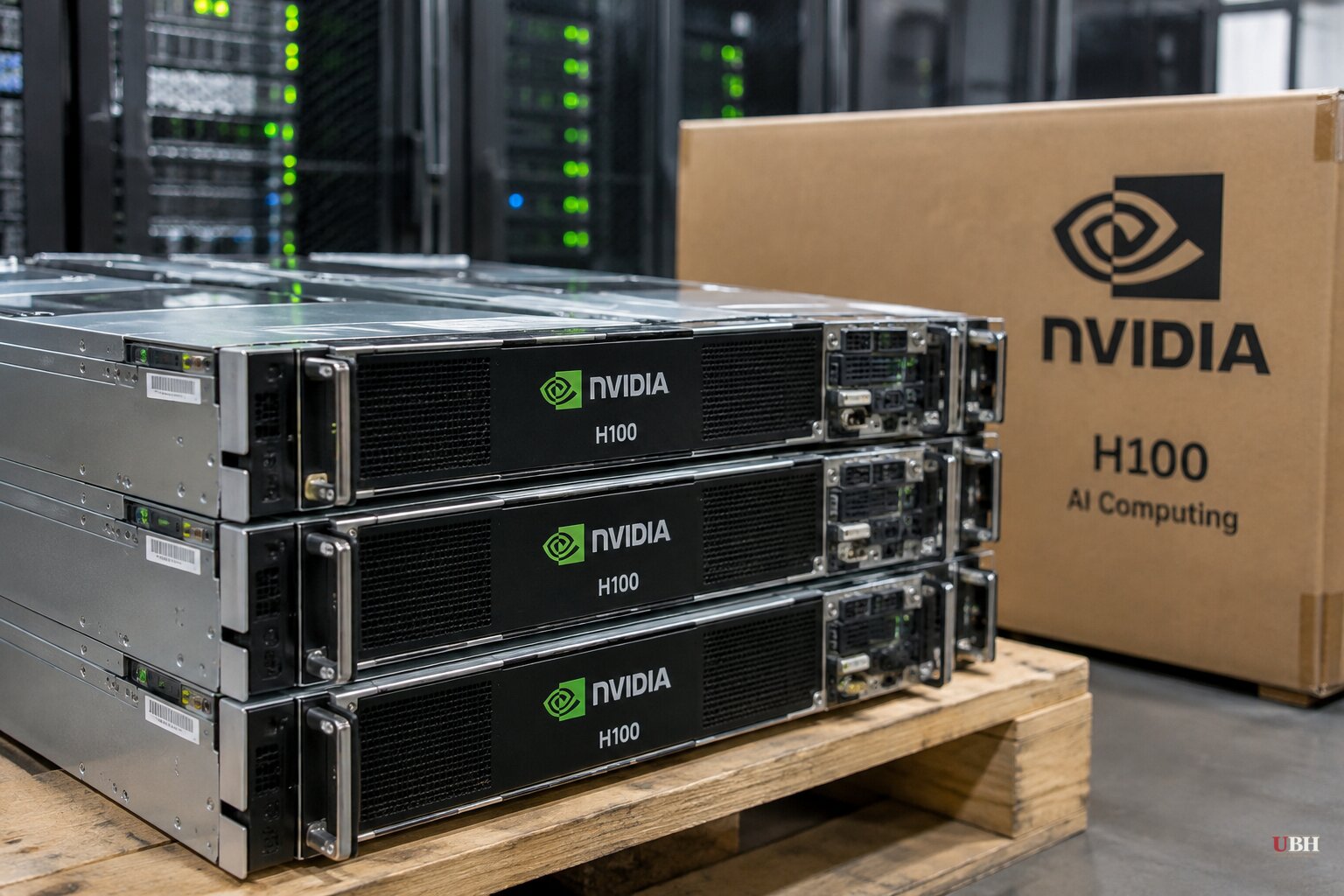
Federal agents arrested Greg Lui, 38, also known as Yiu Kong Lui, on Thursday, October 1, accusing the Southern California tech executive of running a three-year scheme to smuggle more than $300 million worth of export-controlled Nvidia servers into China.
Lui is CEO of Earthmade Computer Inc., based in the San Gabriel/City of Industry area east of Los Angeles. He was charged with one count of conspiracy to violate the Export Control Reform Act and Export Administration Regulations, one count of outbound smuggling, and one count of conspiracy to commit money laundering, according to the Department of Justice and reported by Courthouse News Service, Ars Technica, and Business Insider. If convicted on all three, he faces up to 50 years in prison combined, with the export and money laundering conspiracy counts each carrying a 20-year maximum and the smuggling count carrying a 10-year maximum.
How the scheme allegedly worked
Prosecutors say Lui and unnamed co-conspirators bought high-end servers containing Nvidia's A100 and H100 GPUs from U.S. manufacturers, then falsely told those manufacturers the hardware was headed to Malaysia or Singapore, countries that don't require the same export license China does. From there, the DOJ alleges, the servers were quietly re-routed to Chinese buyers.
The indictment lays out specific shipments. One 2024 email discussed an order for 70 servers that were fraudulently claimed as Malaysia-bound; Lui allegedly submitted a $7.6 million purchase order for 27 of them to a U.S. manufacturer, and a co-conspirator told a Malaysian government official all 27 had actually gone to China, according to Ars Technica. A separate batch of 92 export-controlled servers was allegedly routed through Singapore and Malaysia before landing in Hong Kong and finally with a firm in Hangzhou, which the Wall Street Journal has previously described as a Chinese AI hub.
In a third shipment, prosecutors say Lui sent 100 Malaysia-bound servers containing H100 chips worth more than $22 million, using fraudulent paperwork that listed a fake buyer CEO named "Jackie Lui." According to the FBI's indictment, Lui had purchased a real person's identifying documents three years earlier and used that stolen identity to conduct business transactions as part of the scheme.
EarthMade Computer allegedly received somewhere between $176 million and $180 million from the operation, depending on whether you go by Ars Technica's figure, drawn from bank records with Bank of America and JPMorgan, or Business Insider's reporting that Malaysian shipping companies paid Lui's company more than $180 million to broker the deals. The DOJ is seeking to seize all funds tied to the scheme.
Prosecutors argued in a court filing that Lui should be detained without bail, citing a "serious risk" of flight, according to TTNews, which cited Bloomberg. Court records show Lui has not yet entered a plea.
Officials respond
"This defendant allegedly used false paperwork and shipments through third countries to smuggle more than $300 million in export-controlled computer servers to China," said Bill Essayli, First Assistant U.S. Attorney for the Central District of California. "We will aggressively prosecute those who put our national security at risk for profit."
FBI Assistant Director Roman Rozhavsky, who oversees counterintelligence and espionage, said controlling chip exports is "critical to safeguarding our national security and defending the homeland." John E. Helsing, Special Agent in Charge at the Defense Criminal Investigative Service, added that the technology "provide[s] core advantages to U.S. forces."
Notably, Courthouse News Service reported that Essayli's statement referenced "Super Intelligence technology" rather than "artificial intelligence."
Nvidia issued its own statement distancing itself from the alleged conduct: "This case shows yet again that smuggling is a losing proposition — legally, economically and technically. Our work with law enforcement has led to prosecutions, and we will continue to engage with law enforcement."
Part of a bigger enforcement pattern
Lui's arrest isn't an isolated case. A Super Micro Computer co-founder was charged in March with illegally diverting billions of dollars in Nvidia chips to China and has pleaded not guilty, according to TTNews. Last year, federal prosecutors in Los Angeles charged two Chinese nationals with shipping tens of millions of dollars in Nvidia chips through the same Malaysia-Singapore corridor, Courthouse News reported. And last month, Taiwanese authorities indicted nine people, including Nvidia and Super Micro employees, over illegal exports of Nvidia B300 GPUs to China, per Tom's Hardware.
The broader enforcement landscape is the subject of a separate Epoch Times analysis examining Nvidia's reseller network inside China. Citing reporting from The Wire China, the piece found that among 123 Nvidia partners in China, at least 23 had won bids to supply universities, companies, or labs tied to restricted entities or China's defense sector, including firms the Pentagon and Treasury Department have flagged as part of China's military-industrial complex. The piece notes Nvidia lists these partners as authorized resellers but has limited visibility once hardware moves through China's distribution layers.
If sophisticated smuggling networks can route $300 million in chips through shell companies and stolen identities, the question is how much America's export-control regime is actually controlling. Some lawmakers want tighter restrictions on Nvidia sales to China altogether, worried about the company's edge in what Courthouse News describes as an "AI arms race."
On the other side, defenders of the current approach, including the rationale behind licensing some advanced chips for sale to China under the Trump administration rather than a blanket Biden-era ban, argue that legal channels at least give Commerce Department regulators a paper trail and keep Chinese developers reliant on U.S. technology stacks, a point raised in the Epoch Times piece. A total ban, on this view, just pushes demand into black markets like the one prosecutors say Lui ran.
Lui's case now heads toward a detention hearing and arraignment in Los Angeles federal court. Whether prosecutors can tie the alleged $176 million to $180 million in proceeds directly to seized bank accounts, and whether Lui's co-conspirators in Malaysia and Singapore are ever named or charged, remains to be seen.
Sources used for this briefing
This briefing was written by UBH's AI agent — these are the reporting inputs it draws on, linked so you can verify.


