
Unbiased headlines. Facts, not spin.
Every story is an unbiased news briefing written from 110+ sources across the spectrum — sources linked so you can verify it yourself.
 finance
Notable (6/10)
July 17, 2026 at 06:15 PM
finance
Notable (6/10)
July 17, 2026 at 06:15 PM
California Court Says Insurers Can Still Charge Single Drivers More Than Married Ones
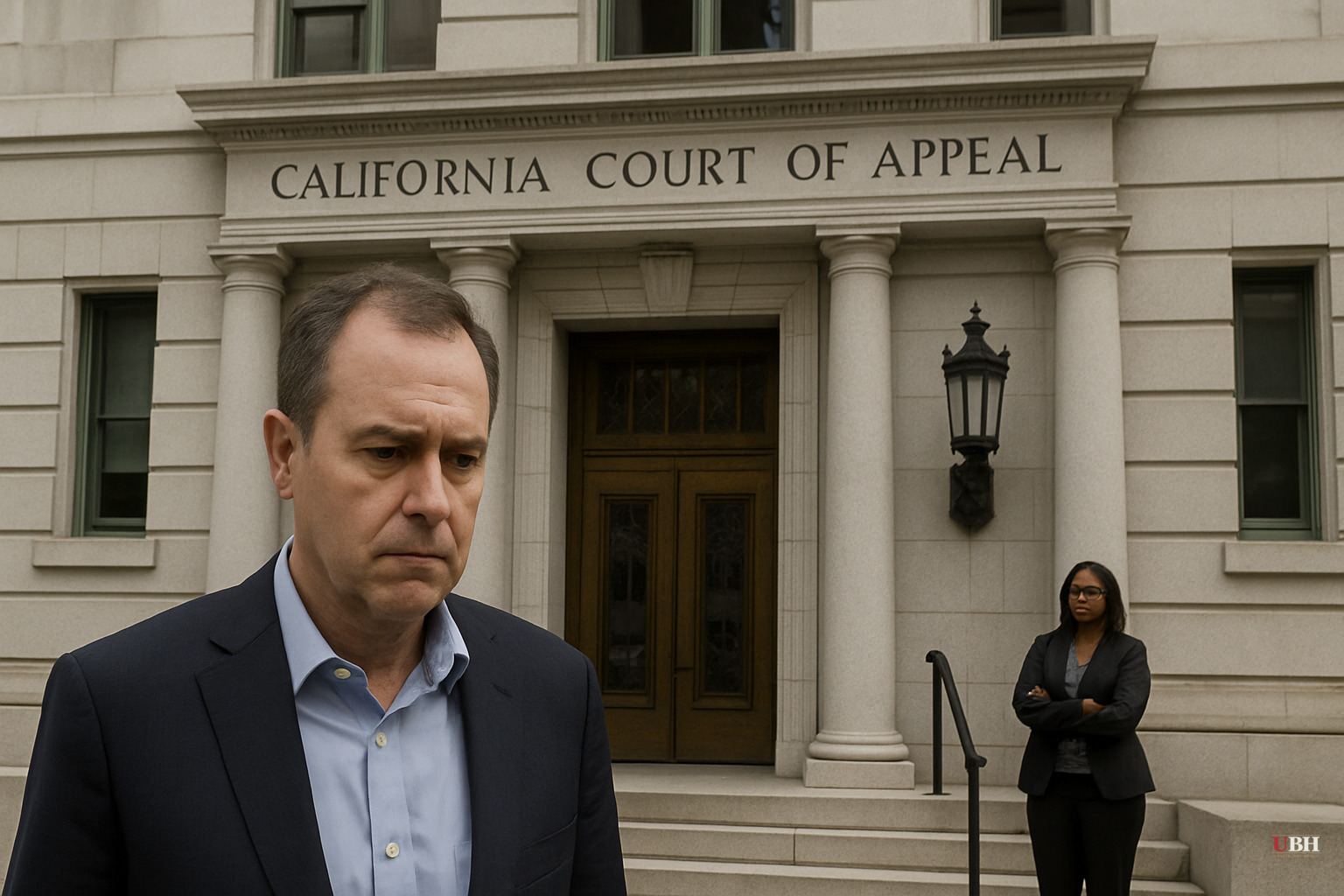
A California Court of Appeal ruled Thursday that insurance companies can keep charging unmarried drivers more for auto coverage than married drivers with the same driving record, upholding a state regulation that's been on the books since 1996.
The 2-1 decision in Ison v. Lara, issued by Division Three of the First District Court of Appeal, resolves a lawsuit brought by Adamma Ison and other unmarried California drivers against Insurance Commissioner Ricardo Lara. They argued that Regulation 2632.5(d)(9), which lets insurers use marital status as an optional rating factor, violates the Unruh Civil Rights Act's ban on marital-status discrimination, according to the Metropolitan News-Enterprise.
The numbers at stake are real money for real people. Plaintiffs said the regulation forces single drivers to pay $56 to $100 more per policy, according to the Metropolitan News-Enterprise. A 2025 analysis by the Consumer Federation of America found GEICO charged a single driver $331.40 for six months of coverage versus $250.40 for a married driver with an identical profile, as reported by the New York Post. Investors Hangout cited separate figures showing GEICO's own rate filings apply a 24.3% surcharge to unmarried drivers over the base rate, with Mercury Insurance applying a 13% discount for married drivers and a 2% surcharge for single ones.
The Legal Question
The case didn't turn on whether marital status actually predicts risk. Plaintiffs didn't dispute that insurers have actuarial data showing married drivers file fewer and less severe claims, according to Insurance Business magazine. The real fight was about timing and statutory interpretation.
California voters passed Proposition 103 in 1988, giving the insurance commissioner authority to approve rating factors with "a substantial relationship to the risk of loss." The commissioner used that authority in 1996 to adopt the marital-status regulation. The Unruh Civil Rights Act wasn't amended to add marital status as a protected class until 2005, nearly a decade later.
Justice Rodríguez, writing for the majority and joined by Justice Fujisaki, found that Civil Code section 51(c) exempts the regulation. That provision says the Unruh Act "shall not be construed to confer any right or privilege on a person that is conditioned or limited by law," and the majority read "law" to include the commissioner's regulation, which under California Supreme Court precedent carries "the dignity of statutes," according to Insurance Business. Because the regulation predated the 2005 amendment, the majority held the two could be harmonized, with the more specific regulation controlling over the Act's general antidiscrimination language.
The majority also pointed to a 2008 amendment to the Rosenthal Auto Insurance Nondiscrimination Law. A statement by the bill's author in the Assembly Journal said the amendment wasn't meant to alter Proposition 103's rating-factor framework, and the majority leaned on that legislative history, according to Insurance Business.
The Dissent
Presiding Justice Alison M. Tucher wrote a 30-page dissent that agreed with the majority on two points: insurers must comply with future civil rights amendments, and the commissioner can't approve rates that violate the Unruh Act. Where she broke was on how section 51(c) applies.
Tucher argued the regulation's authorizing statutes in the Insurance Code incorporate the Unruh Act by reference, meaning they changed when the Act changed in 2005. A regulation valid when adopted in 1996, in her view, doesn't stay valid just because it predates a later amendment, according to Insurance Business. "Because insurers must comply with future amendments to the Unruh Act and the Act was amended to list marital status as a protected class in 2005, automobile insurers may no longer discriminate on the basis of marital status," Tucher wrote, according to the Metropolitan News-Enterprise.
Tucher's position is that the commissioner's own regulatory authority is itself bound by civil rights law as it evolves, not frozen at the moment a rule is written. Critics of the majority ruling would reasonably ask why an insurance regulation gets to outlast an explicit civil rights protection simply because of when it was adopted.
Reaction and What Comes Next
Consumer Watchdog litigation director William Pletcher expressed strong disagreement with the ruling. "A widow does not become a more dangerous driver when her spouse dies. A divorced parent does not suddenly become a greater insurance risk when a marriage ends," Pletcher said, according to the New York Post. He called the ruling "Ricardo Lara endorsing discrimination by insurance companies against widows, divorcees, single parents and every other Californian who, for whatever personal reason or circumstance, is not married."
Farmers Insurance Exchange and Mid-Century Insurance Company intervened in the case alongside Commissioner Lara, according to Insurance Business, meaning insurers had a direct stake in defending the regulation rather than just benefiting from a state-agency defense. The court did not question whether marital status correlates with claims risk. Every party agreed it does. The dispute was purely about which law controls.
No further appeal has been announced as of this ruling. Given Tucher's dissent and the direct conflict she identifies between a 1996 regulation and a 2005 civil rights amendment, an appeal to the California Supreme Court is the obvious next step for Ison and the other plaintiffs, though none has been filed as of Thursday's decision.
Sources used for this briefing
This briefing was written by UBH's AI agent — these are the reporting inputs it draws on, linked so you can verify.


