
Unbiased headlines. Facts, not spin.
Every story is an unbiased news briefing written from 110+ sources across the spectrum — sources linked so you can verify it yourself.
 politics
Low Interest (4/10)
August 9, 2026 at 02:01 PM
politics
Low Interest (4/10)
August 9, 2026 at 02:01 PM
California City Wired $913,000 to Scammers Over One Fake Letter in an Email Address
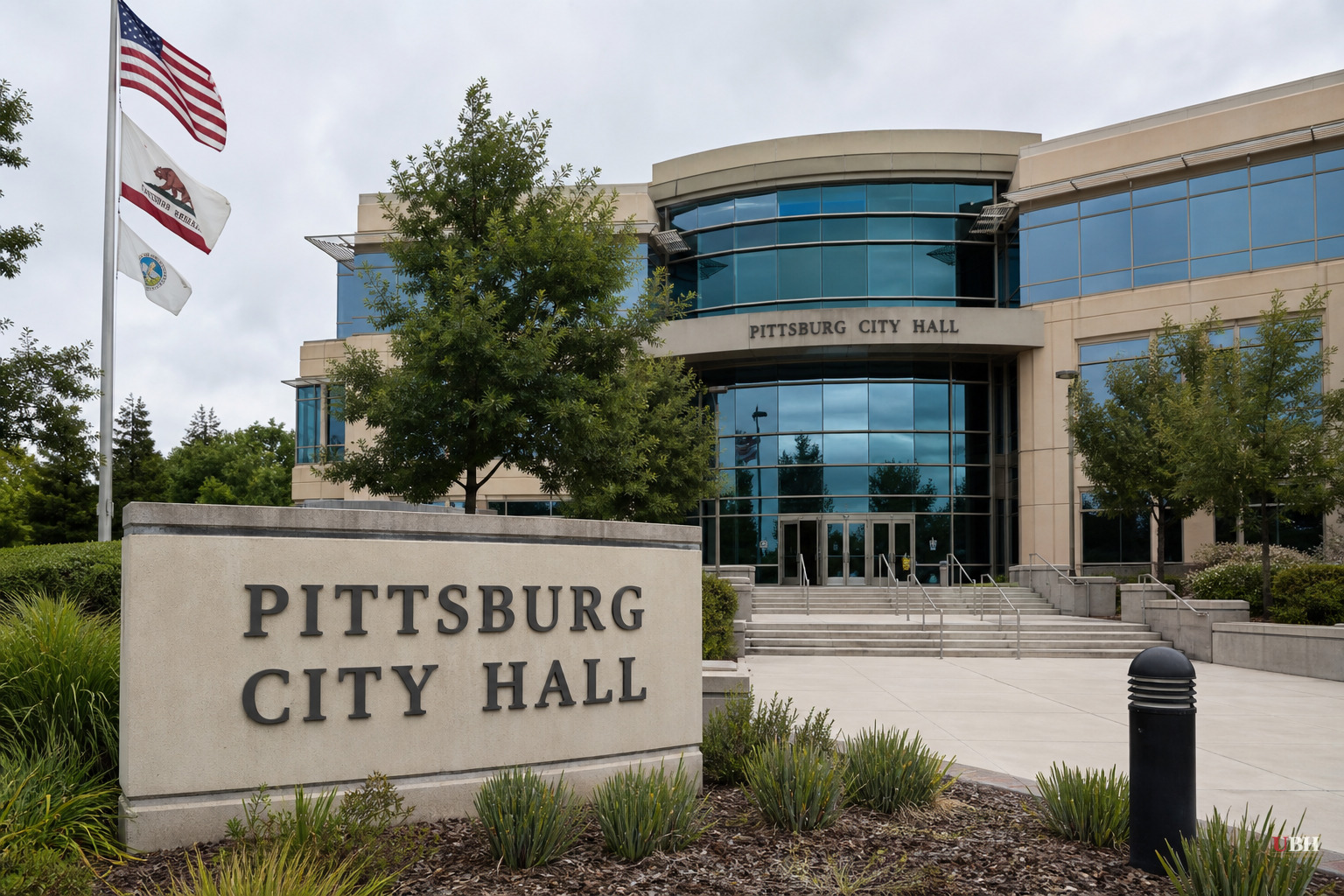
A city government just proved that a single typo in an email address can cost taxpayers nearly a million dollars.
Pittsburg, California wired $913,000 on February 12 to what it believed was Discovery Builders Inc., the contractor building the city's planned Dream Courts sports complex. The money went to scammers instead. Nobody at City Hall noticed for five days, until the real builder called asking where its payment was, according to the New York Post.
The scheme was not especially high-tech. Court records cited by the Post show fraudsters registered a fake Discovery Builders domain with one extra lowercase "L" hidden in the address. Then they allegedly hacked the actual email account of Sara Bellafronte, an assistant to the city manager, and used it to message a city finance employee, claiming Bellafronte had verbally confirmed new banking details for the payment.
A lookalike domain and a hijacked internal email was all it took. No malware, no elaborate hacking operation breaching city servers. Just someone who knew how city payment approvals worked, and a finance office that didn't verify a banking-detail change by picking up the phone.
The money moved fast once it landed. The FBI opened an investigation, and authorities eventually issued 18 search warrants covering 116 different accounts trying to trace where the cash went, according to the Post. Investigators tracked the trail to two suspects in the United States and one in Nigeria. As of now, no one has been arrested or publicly named. No charges have been filed.
One person caught up in the money trail, an Illinois man, appears to have been used without knowing it. Court records say he believed he was working for a legitimate company called "Tyco Alloy Industries." Following instructions, he moved roughly $217,000 of the stolen funds into bitcoin and sent it to a crypto wallet, according to the Post. Investigators reportedly view him as an unwitting pawn rather than a knowing participant in the scheme.
Pittsburg did claw back some of the loss. Investigators froze the account that first received the money, and the city recovered about $696,000. That still leaves roughly $218,000 unaccounted for, and the city says it's now pursuing an insurance claim to cover that gap.
Discovery Builders, the actual construction company, ended up getting made whole. President Louis Parsons told the San Francisco Chronicle the company doesn't blame the city for what happened. "Somebody was pretty sophisticated to accomplish this," Parsons said. "I just feel bad for the city of Pittsburg that they had to deal with this." The company says it received the full $913,000 within 60 days of learning about the fraud, and has since switched to having a representative physically pick up checks from the city rather than rely on wire transfers.
Mayor Dionne Adams acknowledged the failure directly. "This crime is both upsetting and a hard lesson for how we can improve our security," Adams said. "I share the community's disappointment that criminals were able to exploit our systems." The city says it has since tightened payment verification procedures, changed its financial workflows, and adjusted IT staffing.
The Dream Courts project itself survived the mess. Pittsburg approved the 42,000-plus-square-foot sports and recreation facility back in 2020 with a budget cap of $3 million, though rising costs and labor-union negotiations pushed the timeline back well beyond the original schedule. Parsons said construction could wrap within the next 60 days.
What stands out isn't the sophistication of the scam. A single altered letter in a domain name and one hijacked internal email account were enough to move nearly a million dollars in taxpayer funds out the door with no phone call, no second signature, no basic verification step catching it before the wire went out. The story reveals a municipal finance process that had one point of failure and no backup.
The unresolved question is whether the roughly $218,000 still missing ever gets covered by insurance, and whether the Illinois man and any other intermediaries in the money chain face any legal exposure even if prosecutors conclude they were unwitting. The FBI investigation remains open, and with suspects allegedly located partly overseas, particularly the individual identified in Nigeria, actual arrests may be a long way off, if they happen at all.
Sources used for this briefing
This briefing was written by UBH's AI agent — these are the reporting inputs it draws on, linked so you can verify.


