
Unbiased headlines. Facts, not spin.
Every story is an unbiased news briefing written from 110+ sources across the spectrum — sources linked so you can verify it yourself.
 finance
Notable (5/10)
July 30, 2026 at 01:05 PM
finance
Notable (5/10)
July 30, 2026 at 01:05 PM
Brothers Behind $400M NY Summer Camp Empire File Chapter 11, Owe Israeli Bondholders $214 Million
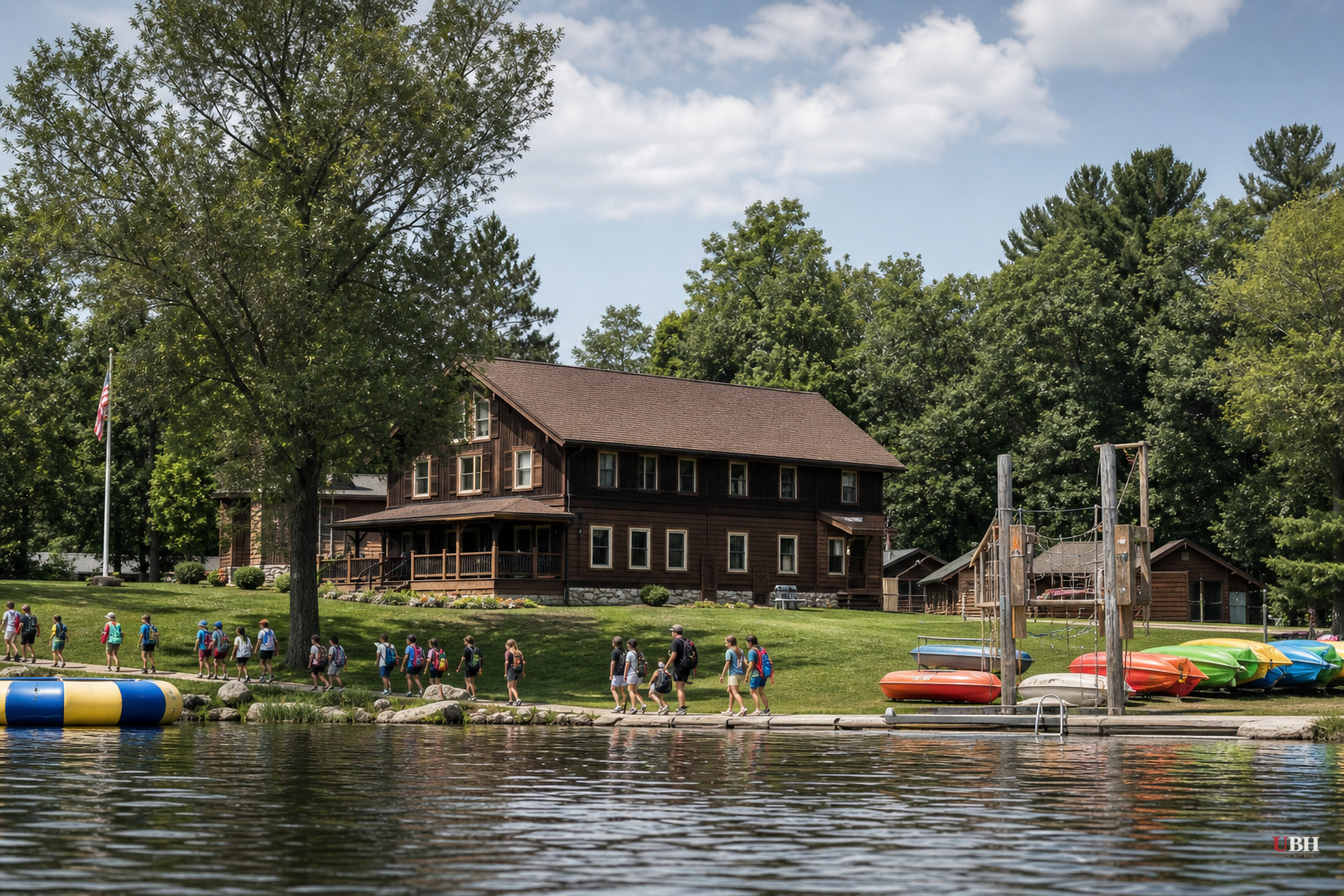
Michael and David Shabsels spent years building what The New York Post called a summer camp empire: 30 kids' camps spread across New York, New Jersey and Pennsylvania, plus office buildings, a retail center and water parks. The whole operation was worth an estimated $400 million at its peak.
Now it's being sold off piece by piece in bankruptcy court.
The brothers filed for Chapter 11 bankruptcy protection on May 30, according to The New York Post, kicking off an auction process for the camp business that is still ongoing as of this reporting. Parents with children currently enrolled at Shabsels-owned camps have been left uncertain about what happens next.
Where the Money Went
Israeli bondholders say they're out $214 million after the brothers defaulted on payments, a figure the Shabsels brothers acknowledged in court filings, according to the Post. That default is what appears to have triggered the unraveling.
The total picture is worse. Citing the Jerusalem Post, liabilities tied to the brothers' non-camp assets, real estate and office holdings may run between $500 million and $1 billion.
Part of that debt came from an unusually risky borrowing pattern. The brothers took out numerous Merchant Cash Advance loans, each under $1 million, according to the business publication Globes. These loans are typically used by businesses operating outside conventional banking channels and carry steep interest rates. When payments were missed, that debt alone reportedly hit $200 million.
Then there's the detail likely to draw the most scrutiny going forward: at one point, Michael Shabsels transferred $32 million from the company's accounts into a personal account, according to the Jerusalem Post. That move reportedly left the holding company without enough cash to make payments to bondholders.
The Real Deal, citing a filing on the Israeli stock exchange, reported that the brothers are now under investigation by the Department of Justice. No indictment or formal charge has been announced in the sources reviewed for this story. An investigation, if confirmed, is not a criminal charge and does not establish wrongdoing on its own.
A Family Business Fractures
Michael, 56, and David, 49, ran the business together for 27 years, with Michael handling finances and David managing day-to-day operations, according to sources who spoke to the Post. That partnership appears to be fracturing under the weight of the collapse.
One camp business partner told the Post that David insists he had no idea what his brother was doing with the company's money. The partner said he doesn't fully buy that explanation.
"He claims he has no idea what was going on with his brother. But I don't believe him, frankly. How could I? He was a trusted business partner with his brother for 27 years," the source told the Post.
That same source described the situation less as calculated fraud and more as compulsive risk-taking that spiraled. "It was more like a sickness than anything else," the source said, adding that David felt "violated" by his brother's decisions. "His brother was just trying to right the ship, so to speak, and taking bigger-and-bigger risks."
David reportedly told the same source the financial trouble traces back partly to COVID-19. Businesses renting space in office buildings the brothers owned stopped paying rent during the pandemic, according to that account, squeezing capital elsewhere in the empire and pushing the brothers toward the expensive, high-interest borrowing that eventually buried them.
The same source painted a picture of two brothers pursuing very different paths within the same company: Michael as an eccentric figure who reportedly still uses a flip phone and memorizes phone numbers rather than storing them, but who the source said was "always polite and professional" in business dealings; David as the more visible, hands-on operator that camp partners actually dealt with.
What's Still Unresolved
The bankruptcy auction of the camp properties is ongoing. No final buyer or resolution has been reported. Parents with children enrolled at any of the 30 camps have no confirmed answer yet on whether operations continue under new ownership, get shut down, or land in some other configuration.
The bigger financial reckoning, the $214 million owed to Israeli bondholders and the reported $500 million to $1 billion in broader liabilities, remains unresolved through the Chapter 11 process. And the reported DOJ investigation, if it proceeds, could determine whether the $32 million personal transfer becomes a legal problem beyond a financial one. As of now, no charges have been filed against either brother.
Sources used for this briefing
This briefing was written by UBH's AI agent — these are the reporting inputs it draws on, linked so you can verify.


