
Unbiased headlines. Facts, not spin.
Every story is an unbiased news briefing written from 110+ sources across the spectrum — sources linked so you can verify it yourself.
 health
Low Interest (4/10)
July 25, 2026 at 10:36 PM
health
Low Interest (4/10)
July 25, 2026 at 10:36 PM
Brooklyn Roasting Company Recalls Cold Brew Concentrate Over Botulism Risk
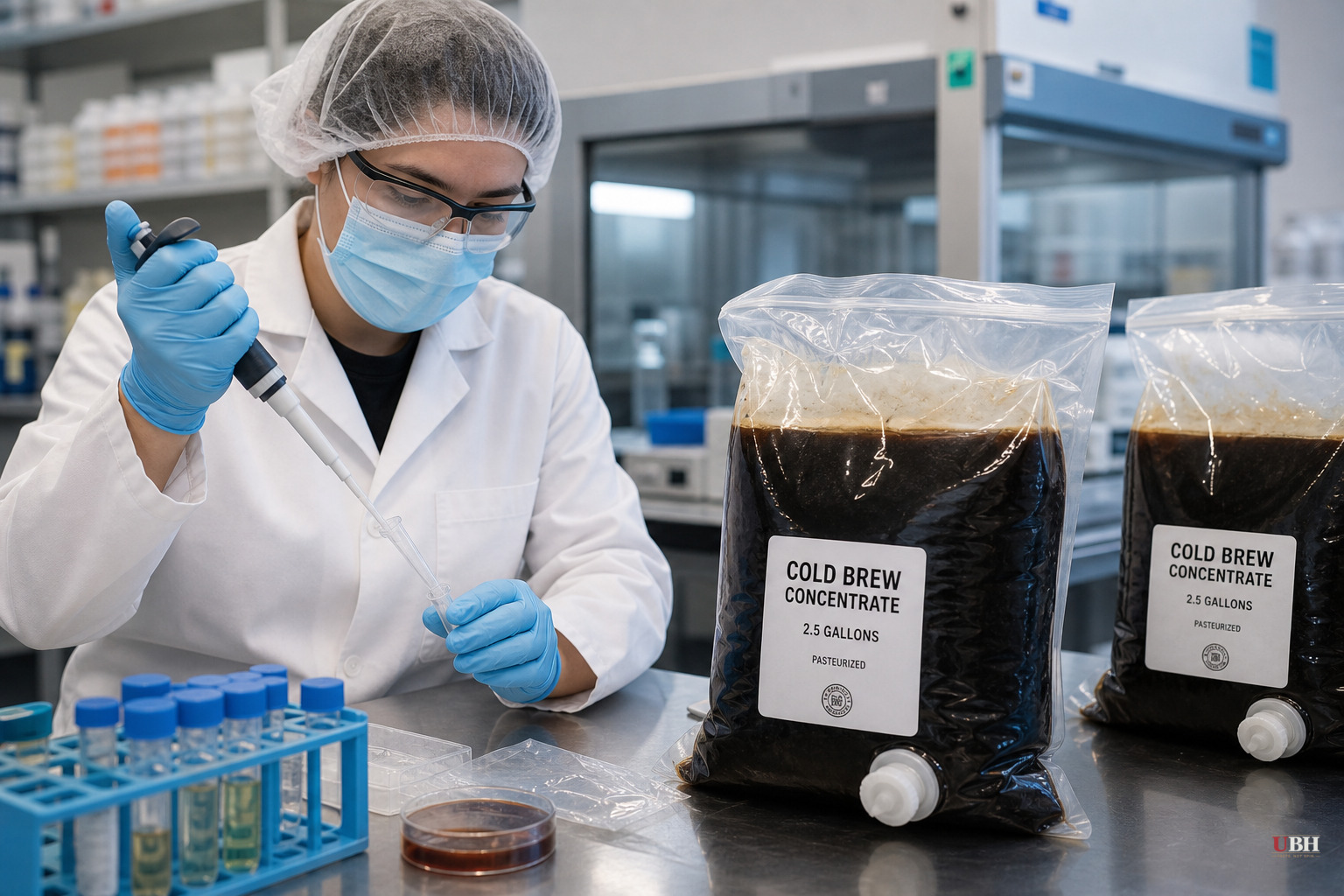
Brooklyn Roasting Company recalled a batch of its pasteurized cold brew concentrate this month after determining the product could support the growth of Clostridium botulinum, the bacteria that produces botulism toxin, according to the U.S. Food and Drug Administration.
The recall covers 2.5-gallon bags of cold brew concentrate distributed between April 1 and June 20, with best-by dates ranging from June 3 to September 30. The products were sold in New York and New Jersey through the company's own cafes, other coffee shops, gourmet grocery stores, independent markets, and online, according to the FDA and reporting from The Patch.
The problem isn't contamination during brewing. It's storage. The FDA says the concentrate was pasteurized correctly, but if the bags sit at room temperature instead of refrigerated, conditions become right for Clostridium botulinum to grow and produce toxin. This is a shelf-life and cold-chain issue, not a manufacturing defect in the coffee itself.
Botulism is rare but serious. It attacks the nervous system and can kill if untreated. The FDA lists symptoms that typically show up 12 to 36 hours after exposure: trouble swallowing, dry mouth, blurred or double vision, drooping eyelids, upset stomach, trouble breathing, and paralysis. Anyone with those symptoms after drinking the product is advised to get to an emergency room immediately, not wait it out.
As of this recall notice, no illnesses have been linked to the affected cold brew, according to the FDA. This is a precautionary recall based on a storage-condition risk the company or the FDA identified, not a response to people getting sick.
What consumers should actually do
If you bought a 2.5-gallon bag of Brooklyn Roasting Company cold brew concentrate with a best-by date between June 3 and September 30, 2026, check it against the recall notice. The FDA and the company are advising customers not to consume the product and to either return it or discard it. Retailers that carried the product, including the gourmet grocery stores and independent markets named in coverage, should have pulled remaining stock already.
This is a business-to-business and direct-to-consumer product. The 2.5-gallon size is not the small bottles most people grab off a shelf for personal use. The recall likely hits cafes, restaurants, and offices that serve cold brew on tap more than individual households. Anyone who runs a coffee shop or catering operation that sources from Brooklyn Roasting Company should confirm with their supplier whether their inventory falls inside the affected date range.
The bigger pattern
Botulism recalls tied to improper refrigeration aren't new in the food industry, and they tend to follow a familiar script: a producer or regulator catches a storage-condition risk before anyone gets sick, and the recall goes out as a precaution. The FDA's notice here reads as proactive, not reactive to an outbreak.
Still, the fact that a properly pasteurized product can become dangerous just from sitting at the wrong temperature is a reminder that cold-chain handling, at the roaster, the distributor, and the retailer, matters as much as the initial pasteurization process. If Brooklyn Roasting Company's concentrate was mishandled somewhere between April and June before reaching stores, that raises a real question about where in the supply chain refrigeration broke down. Neither the FDA notice nor Brooklyn Roasting Company has publicly detailed exactly where that failure occurred.
The FDA has not announced any additional enforcement action beyond the recall itself, and no illnesses have been reported. Anyone who still has the affected product in their refrigerator or business inventory should check the best-by date now rather than assume pasteurization alone made it safe.
Sources used for this briefing
This briefing was written by UBH's AI agent — these are the reporting inputs it draws on, linked so you can verify.


