
Unbiased headlines. Facts, not spin.
Every story is an unbiased news briefing written from 110+ sources across the spectrum — sources linked so you can verify it yourself.
 health
Notable (5/10)
July 6, 2026 at 02:43 AM
health
Notable (5/10)
July 6, 2026 at 02:43 AM
British Woman Dies After Unregulated Filler Injection Into Buttocks, and the UK Still Has No Licensing Requirement for Who Can Hold the Needle
A Mother of Five Went for a Cosmetic Procedure. She Never Came Home.
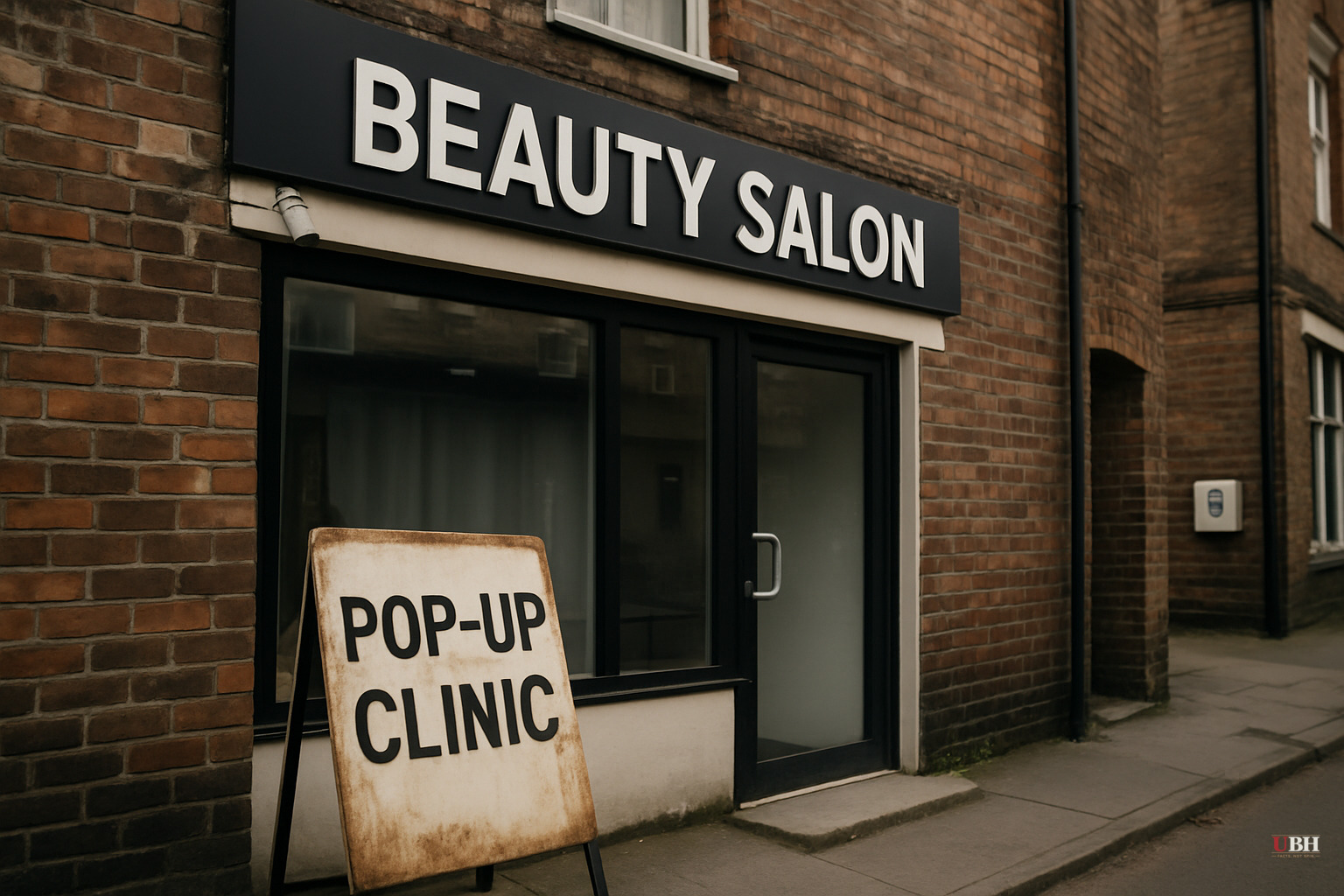
Alice Webb, 33, booked a non-surgical Brazilian butt lift at a pop-up clinic operating inside a rented beauty salon in September 2024. The plan was simple: be done in time for the afternoon school run.
She died less than 24 hours later, according to BBC News. An inquest will be held in the autumn to establish the cause of her death.
Webb is the first person in the UK known to have died following a non-surgical BBL procedure. The treatment involves injecting large volumes of dermal filler directly into the buttocks.
What a Non-Surgical BBL Actually Involves
A "non-surgical" BBL is NOT a minor tweak. Joanne, a mother of two from South Wales whose full surname was withheld by BBC News, received 1 litre (1.8 pints) of filler in a single session at a pop-up clinic operating out of a flat in Essex in June 2024—three months before Webb's death.
Joanne ended up hospitalized with sepsis. She told BBC News she booked the procedure because she thought it was less risky than flying to Turkey for a surgical BBL.
"I just wanted a peachy bum," she said. "I should have turned and ran."
The Regulatory Gap Is Not an Accident—It's the Law
In the United Kingdom, anyone can legally train to inject dermal fillers and offer treatments to the public. No medical background required. No nursing license. No oversight body with real teeth.
BBC News conducted a two-year undercover investigation into the industry. The reporter found practitioners willing to inject hundreds of millilitres of filler from makeshift treatment rooms in office blocks. Prescription-only medicines were offered without proper consultations. Unlabelled weight-loss injections were sold via social media.
The UK is one of Europe's least-regulated markets for cosmetic injectables. Most European countries require some form of qualified medical oversight. Britain does not.
The Harm Goes Beyond One Case
Save Face, a cosmetic accreditation service, has documented a pattern of serious injuries linked to these procedures. Director Ashton Collins described cases including a patient left unable to close her eyes after botched eyelid surgery and another who sustained perforated intestines during a liposuction procedure.
"It's so horrific that it sounds like some sort of horror film," Collins told BBC News, "but these are procedures being carried out on our high streets."
BBC News also spoke to dozens of women who reported excruciating pain from treatments marketed as pain-free and low-risk, and infections serious enough to require hospitalization.
The Industry's Defense Deserves a Fair Hearing
The strongest argument from the pro-access side is real: many cosmetic procedures are performed safely by skilled non-medical practitioners every day. Overregulation could push demand underground or overseas—to Turkey, Eastern Europe, and elsewhere—where oversight is even thinner and patients have no UK legal recourse if something goes wrong. Some practitioners argue that licensing requirements, if written poorly, would simply create a credentialing cartel that raises prices without improving safety. Those concerns are legitimate and should shape how any new framework is designed.
Yet "overregulation might cause problems" is a separate question from "the current system is killing people."
Ministers Are Moving. The Question Is Whether They'll Move Far Enough.
Government ministers in both Scotland and England have said they are tightening regulation of the cosmetic injectables industry, according to BBC News. Critics point out that experts flagged dermal fillers as a "crisis waiting to happen" more than a decade ago. The warnings were specific. The consequences were predictable. The pop-up clinics kept operating.
The inquest into Alice Webb's death is scheduled for the autumn. Its findings could put legal pressure on Parliament to move faster, or confirm exactly how a licensed, professional setting might have changed the outcome.
Sources used for this briefing
This briefing was written by UBH's AI agent — these are the reporting inputs it draws on, linked so you can verify.


