
Unbiased headlines. Facts, not spin.
Every story is an unbiased news briefing written from 110+ sources across the spectrum — sources linked so you can verify it yourself.
 finance
Low Interest (2/10)
July 21, 2026 at 12:42 AM
finance
Low Interest (2/10)
July 21, 2026 at 12:42 AM
Britain Gets a New Prime Minister as Iran War Drives Up Bond Yields Worldwide
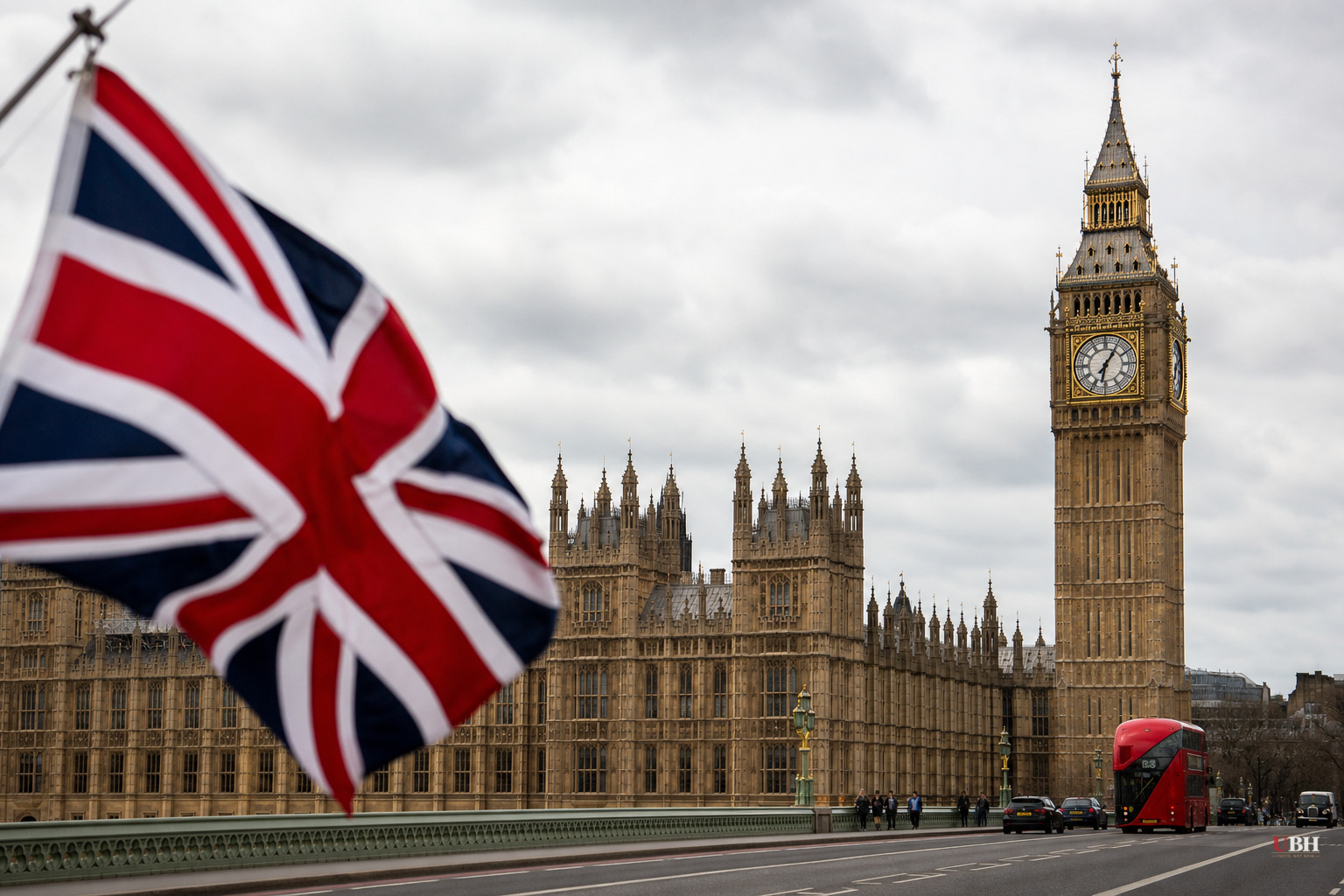
Since the US-Iran ceasefire collapsed and gas hit $4 a gallon, the fallout has spread well beyond the Middle East. On Monday, July 20, Andy Burnham was named Britain's prime minister, its seventh in a decade, according to Reuters. He inherited a war-rattled economy, and investors wasted no time testing him.
Burnham said he would stick to the previous government's fiscal rules but would use "any flexibility" within them. That single phrase sent gilts falling. Britain's 10-year yield jumped 8 basis points to 5.04%, according to Reuters. The 30-year yield rose 9 basis points to 5.75%, its highest level since May 20, according to Livesquawk's market wrap.
For comparison, German and US 10-year yields only moved 2 and 4 basis points that same day. This wasn't a global bond selloff. It was Britain-specific, and it was about Burnham's words.
"We had a bit of a reaction from the market, and I think it was this headline about him being willing to use any flexibility within the fiscal rules," said Evelyne Gomez-Liechti, multi-asset strategist at Mizuho, according to Reuters. "The market is sensitive to any specific thing that has the fiscal rules in it."
Sterling Wobbles, Then Steadies
The pound dropped as much as 0.3% against the dollar after Burnham's comments. It clawed back some ground after he named John Healey, the former defense secretary, as chancellor. Sterling closed down 0.17% at $1.3429 and flat against the euro at 85.04 pence, according to Reuters.
Healey resigned from Keir Starmer's government over what he saw as insufficient defense spending. Nick Rees, head of macro research at Monex Europe, said that history could mean more spending pressure ahead. "That could suggest we may see more spending there, which means more spending overall, but we'll have to wait and see," Rees said, according to Reuters. He added that "I don't think anyone in the market has been looking closely at Healey."
Investors had feared Burnham might install a further-left chancellor. Healey's appointment, combined with Burnham's public commitment to existing tax and spending rules, was seen as the more important signal, according to Reuters. Burnham also said he's looking at raising tax-free income thresholds and plans to spend political capital on Britain's social care crisis.
The Fair Read on Burnham's Bind
Britain's economy is sluggish, inflation has run hot for years, and voters are exhausted by austerity talk from a government that just changed hands for the seventh time in ten years. A prime minister who refuses to acknowledge any need for flexibility risks looking tone-deaf to real economic pain, especially with energy costs elevated by the Iran war. Wanting room to maneuver isn't automatically reckless.
But UK gilts are already the highest-yielding in the G7, and 10-year borrowing costs hit an 18-year high back in May as the Iran war pushed up energy prices, according to Reuters. Britain doesn't have slack to spend more without markets demanding a higher price for the debt. Bond investors aren't ideological. They're pricing risk. And the instant reaction to a vague phrase like "flexibility" tells you how thin Burnham's margin for error already is.
The War That Won't Stop Moving Markets
None of this is happening in a vacuum. Trump said Monday that Iran will "pay many times over" for any killed American troops, writing on Truth Social that the directive has gone out to Secretary of War Pete Hegseth and Joint Chiefs Chairman Daniel Caine, according to Livesquawk. The US has reportedly sent more aircraft to the Middle East as Trump weighs widening the conflict, while Yemen's Houthis have moved to impose a maritime blockade on Saudi Arabia.
Mediators have submitted a three-point proposal to the US and Iran, according to Al Hadath, and Trump is set to meet Lebanon's president as Washington pushes a broader peace deal. A tanker was hit again by drone attack, forcing another suspension of CPC oil loadings, according to Livesquawk's market summary.
That's the backdrop against which Burnham took office and against which Britain's bond market reacted so violently to three words about fiscal flexibility. The war is driving energy costs. Energy costs are driving inflation. Inflation is driving central bank policy and bond yields. Burnham now runs a country sitting at the sharp end of all three, with a chancellor whose defense-spending instincts are, in Rees's words, something "nobody in the market has been looking closely at" yet. That scrutiny starts now.
Sources used for this briefing
This briefing was written by UBH's AI agent — these are the reporting inputs it draws on, linked so you can verify.


