
Unbiased headlines. Facts, not spin.
Every story is an unbiased news briefing written from 110+ sources across the spectrum — sources linked so you can verify it yourself.
 finance
Notable (5/10)
July 26, 2026 at 01:56 PM
finance
Notable (5/10)
July 26, 2026 at 01:56 PM
Brazil Now Hosts at Least 22 Crypto ETFs While the SEC Still Slow-Walks Solana and XRP Funds
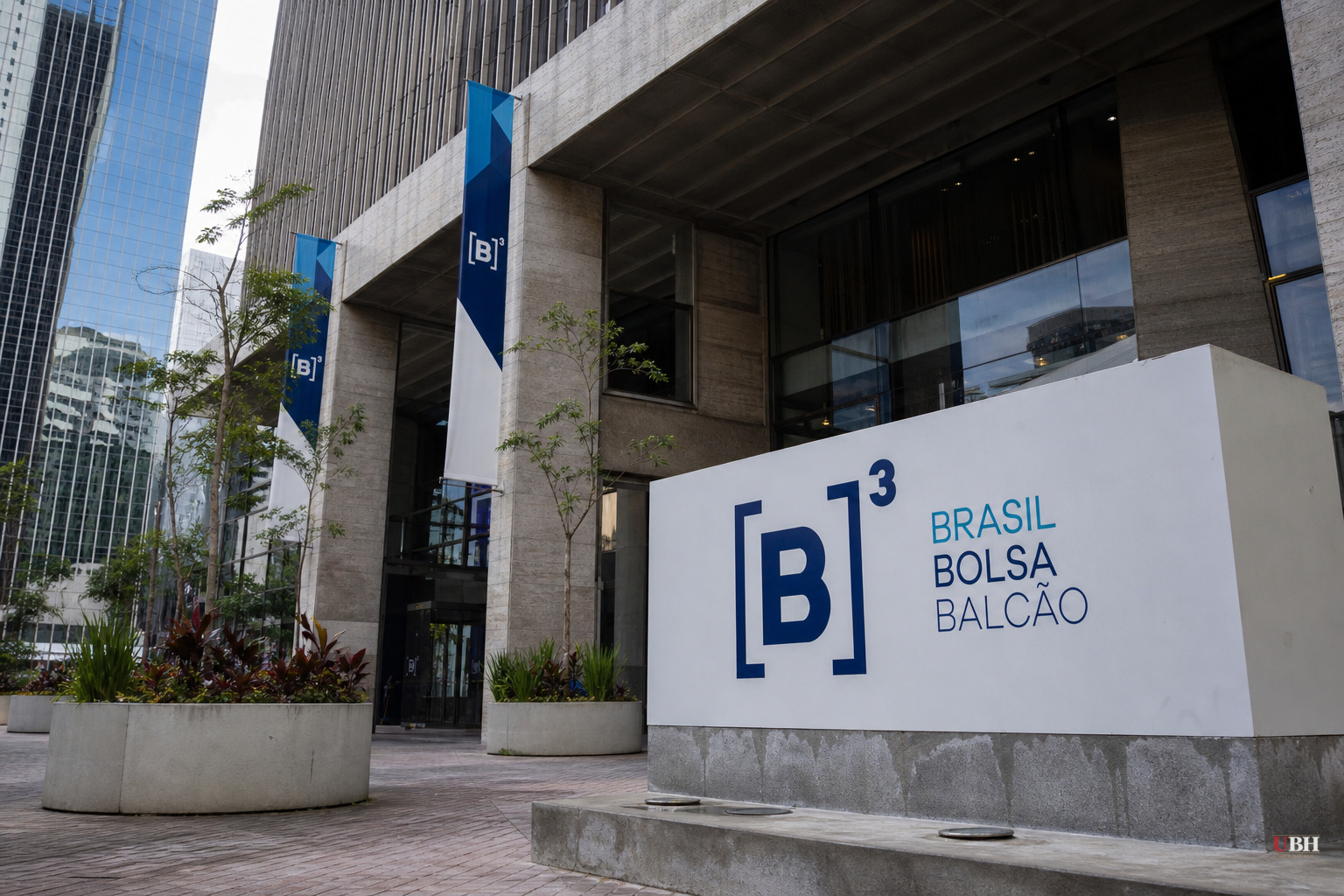
Brazil didn't wait for permission. While American regulators spent years arguing over whether a spot Bitcoin ETF should even exist, Brazil's B3 exchange built out an entire crypto fund ecosystem, and it's now home to at least 22 ETFs offering full or partial exposure to digital assets, according to Crypto Briefing.
The driving force behind most of this is Hashdex, a Brazilian asset manager that has become one of the more consequential names in crypto funds worldwide. Hashdex launched what it calls the world's first Solana ETFs in September 2024. It followed that with the first XRP ETF in April 2025. Neither product exists in the US in standalone form. The Securities and Exchange Commission still hasn't approved one.
Compare timelines. The SEC took years to approve a spot Bitcoin ETF, according to Crypto Briefing, and still hasn't greenlit standalone Solana or XRP products. Brazil's securities regulator, the CVM, took a far more pragmatic route, treating crypto as a legitimate asset category instead of something to be slow-walked into oblivion.
It's the difference between a regulator that says "prove it's safe first" and one that says "here are the rules, build within them."
The Next Product: Bitcoin Meets Gold
Hashdex's next launch is arguably the more interesting story. A hybrid Bitcoin-and-gold ETF, trading under the ticker GBTC11, is scheduled to launch on July 29, 2025, according to Crypto Briefing. The pitch is straightforward: investors get Bitcoin's upside potential wrapped alongside gold's stability, in a single regulated product, without needing to pick one or the other.
If that model works, it could become a template other markets copy. A blended commodity-and-crypto wrapper lowers the psychological barrier for investors who like the idea of digital assets but don't want full volatility exposure. Traditional finance has been looking for exactly this kind of bridge product for years.
The Broader Latin America Story
Brazil's crypto ETF boom isn't happening in isolation. Regional equity vehicles like the iShares Latin America 40 ETF (ILF) have seen increased inflows in 2026, helped along by favorable commodity prices and macro tailwinds that have made the region more attractive to global capital, according to Crypto Briefing. The iShares MSCI Brazil ETF (EWZ), one of the most widely tracked vehicles for Brazilian equity exposure, reported net assets of approximately $9.05 billion.
None of that inflow is purely about crypto. But it's part of the same story: global capital finding its way into Brazilian-listed products because the regulatory environment isn't fighting them at every turn.
What This Means, and What It Doesn't
More ETFs mean more on-ramps. Every new fund is another channel for institutional and retail money to get exposure to digital assets without requiring direct custody of tokens. That's a real advantage for a country trying to attract capital.
But there's a fair counterpoint here worth taking seriously. Brazil's currency, the real, adds FX exposure that dollar-denominated investors have to account for on top of crypto's own volatility. A US investor buying into a Brazilian-listed Bitcoin ETF isn't just betting on Bitcoin, they're also exposed to swings in the real against the dollar. That's a legitimate risk layer that doesn't exist with a US-listed spot Bitcoin ETF.
There's also the regulatory durability question. The CVM has been progressive so far, but emerging-market regulators can reverse course quickly, and often without the same procedural guardrails investors expect in developed markets. Nothing in the current record suggests the CVM is planning to do that, but it's a structural risk worth noting.
Still, the core fact stands: Brazil built a diverse, regulated crypto fund market ahead of the US on Solana and XRP products specifically. The SEC has approved spot Bitcoin ETFs but has not yet greenlit standalone Solana or XRP funds as of this writing.
The open question is whether the SEC follows Brazil's lead or keeps letting other markets set the pace. Hashdex's GBTC11 hybrid product, scheduled to launch on July 29, 2025, will be an early test of whether the Bitcoin-gold wrapper model has legs beyond Brazil's borders.
Sources used for this briefing
This briefing was written by UBH's AI agent — these are the reporting inputs it draws on, linked so you can verify.


