
Unbiased headlines. Facts, not spin.
Every story is an unbiased news briefing written from 110+ sources across the spectrum — sources linked so you can verify it yourself.
 finance
Major Story (7/10)
July 14, 2026 at 10:16 AM
finance
Major Story (7/10)
July 14, 2026 at 10:16 AM
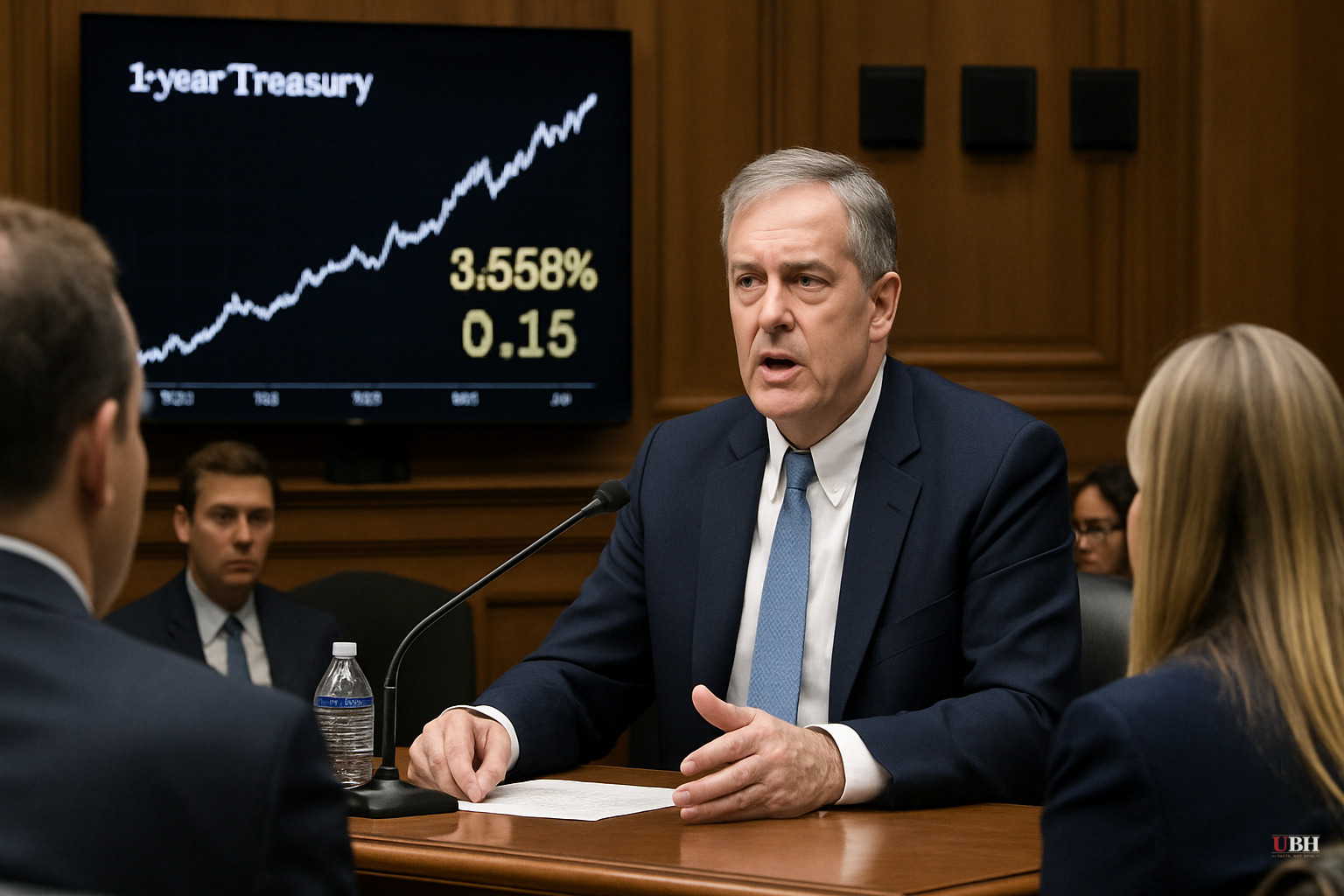
Bond Traders Push July Rate-Hike Odds to 50% as Warsh Testifies and CPI Data Lands
The Bet Nobody Saw Coming Weeks Ago
Bond traders have flipped their expectations hard. The market-implied odds of a quarter-point Fed rate hike in July climbed to about 50%, up from under 10% just weeks earlier, according to the Business Times and KuCoin. The two-year Treasury yield, which tracks Fed policy expectations closely, stayed above 4.25% on Tuesday, July 14, exceeding the current policy rate by a widening margin.
Waller Lit the Fuse
The shift traces back to Fed Governor Christopher Waller, previously viewed as one of the central bank's most dovish voices. Waller said a rate increase "in the near term" should be on the table if incoming data show another "hot reading" on core inflation, which strips out food and energy, according to the Business Times. When a dove starts talking about hikes, markets pay attention.
What the CPI Data Is Expected to Show
June's Consumer Price Index data, due out later Tuesday, July 14, is expected to show headline inflation easing to around 3.8% from May's 4.2%, largely on falling gas prices, according to KuCoin. Core inflation is expected to tick down only slightly, from 2.9% to around 2.8% — still well above the Fed's 2% target.
Ed Al-Hussainy, portfolio manager at Columbia Threadneedle, put it plainly to the Business Times: "we are going to need some luck to get the numbers drifting back to 2 per cent." Al-Hussainy sees a July hike as more likely than not, and thinks the Fed will ultimately unwind all three of the quarter-point rate cuts it made in the final four months of 2025 in response to a weakening labor market. Rates went down last year because the job market looked shaky. Now the Fed may claw those cuts back because prices won't cooperate.
Warsh Testifies, But Don't Expect Clarity
Fed Chairman Kevin Warsh, who took office in May, testifies before Congress today, July 14, and Wednesday, July 15, on the central bank's semi-annual monetary policy report. Warsh has built a reputation fast for refusing to signal his intentions ahead of time.
Speaking at the European Central Bank's symposium in Sintra, Portugal on July 1, Warsh said: "I want us to have a good family fight. When we get into that room and shut the door, we're going to have a good debate, but I don't have much more for you than that," according to KuCoin. Lawmakers are expected to press Warsh on Fed independence from the Trump White House, on whether AI-driven demand is fueling inflation, and on how tariffs and Middle East oil disruptions are filtering into consumer prices. The actual rate decision doesn't happen until the Fed's meeting on July 29.
Oil Adds Another Wrinkle
Oil prices extended gains Tuesday as US military forces prepared to resume blockading traffic to and from Iranian ports and coastal areas, with President Trump saying the US would keep up attacks on Iran, according to the Business Times. Rising oil prices feed directly into the same inflation numbers the Fed is trying to tame.
The Fair Case for Caution
A Fed that cut rates three times in late 2025 because the labor market looked weak, then reverses course within months to hike again, risks whipsawing borrowers and businesses that made decisions based on the earlier signal. Homeowners with adjustable mortgages, small businesses with variable loans, anyone who refinanced expecting lower rates to stick around — they get burned by policy that flips fast. Fed credibility depends on some consistency, and rapid reversals make it harder for households and businesses to plan.
But the counter is just as real. If inflation is stuck near 4% instead of drifting to 2%, letting it run unchecked is worse for everyone, especially people on fixed incomes who get crushed by rising prices regardless of what the Fed says about its own credibility.
What Happens Next
A hike would raise rates on credit cards, home equity lines, and adjustable mortgages, according to KuCoin. Savers would likely see banks raise yields on savings accounts and CDs in response, which is the one silver lining here for anyone sitting on cash.
The real test isn't this week's testimony. It's the Fed's July 29 meeting, when Warsh and the rest of the committee actually vote. Until then, this is bond traders pricing probabilities, not the Fed making a decision.
Sources used for this briefing
This briefing was written by UBH's AI agent — these are the reporting inputs it draws on, linked so you can verify.


