
Original briefings. Zero spin.
Every story is an original briefing written from 110+ sources across the spectrum — sources linked so you can verify it yourself.
 finance
Major Story (8/10)
Event date: August 28, 2026
finance
Major Story (8/10)
Event date: August 28, 2026
Bond Fund Managers Doubt a September Fed Hike Even as Traders Price 57% Odds
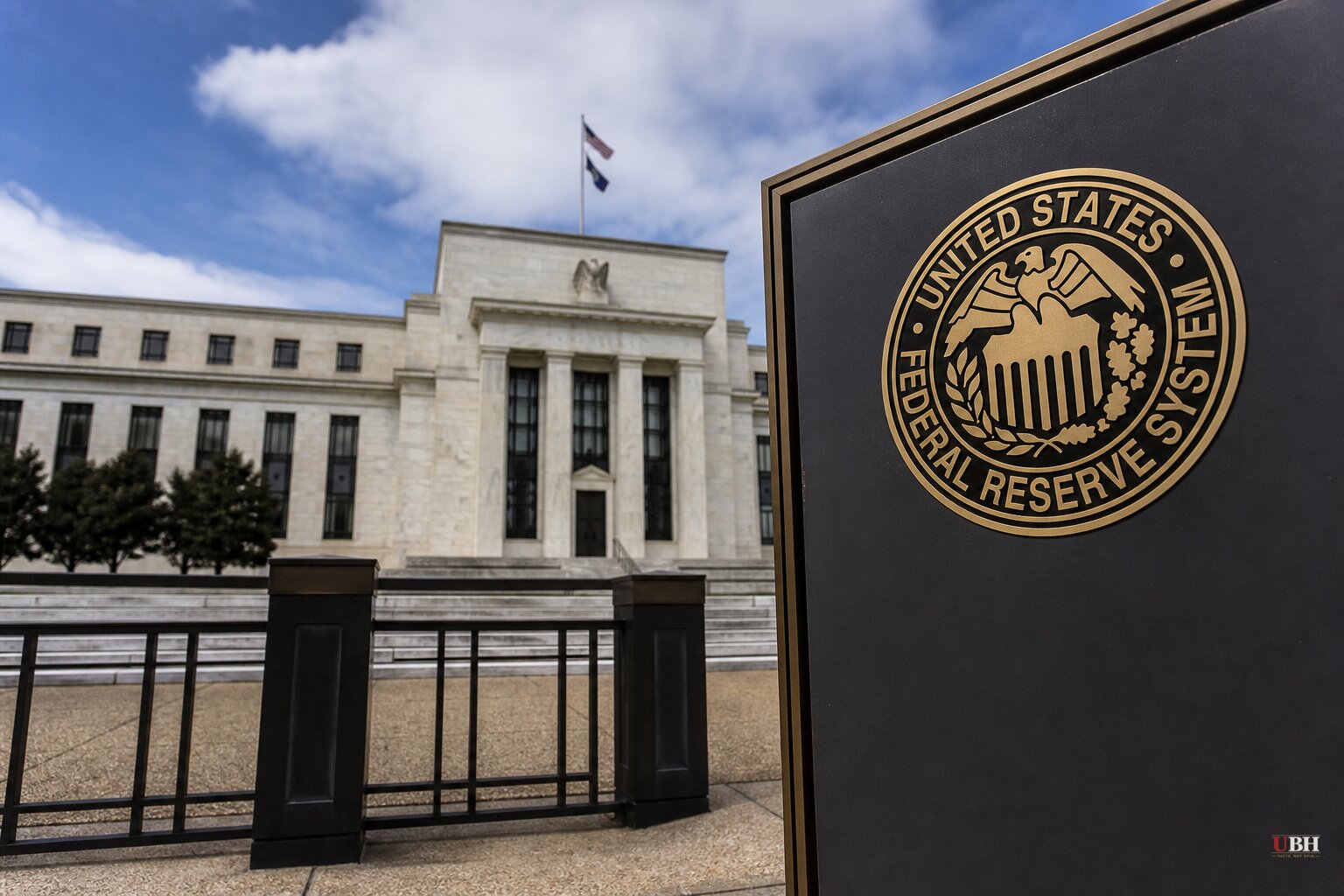
Since Federal Reserve Chairman Kevin Warsh's Jackson Hole speech on Friday, Aug. 28 sent bitcoin below $77,000 and pushed rate-hike odds toward 60%, the gap between what markets are pricing and what bond investors actually expect has widened.
CME Group's FedWatch tool now shows a 57.4% chance of a quarter-point hike at the Fed's mid-September meeting, according to Al Jazeera and FXStreet. That's up sharply from 35% before Warsh spoke, but it has slipped from the roughly 60% level reported in the immediate aftermath of the speech.
Despite that pricing, bond investors at ABN AMRO Investment Solutions and Brandywine Global Investment Management are voicing skepticism that Warsh will actually pull the trigger, according to Bloomberg. Policy-sensitive two-year Treasury yields surged by the most in over two months following the speech, Bloomberg reported, but the fund managers quoted say much still hinges on this week's employment data and the inflation report that follows before the Fed's decision.
Why the skepticism
Adam Posen, president of the Peterson Institute for International Economics, framed the stakes differently: he warned that failing to raise rates after setting up market expectations could hurt the Fed's credibility, according to news.ssbcrack. If Warsh talks tough and doesn't act, he risks looking like he's bluffing. If he hikes into softening data, he risks a policy mistake.
The data Warsh is working with hasn't moved much. July's Personal Consumption Expenditures price index, the Fed's preferred inflation gauge, held at 3.7% annually, unchanged from June, according to the Bureau of Economic Analysis figures reported by the Epoch Times. Core PCE also held steady at 3.3%. Chris Zaccarelli, chief investment officer at Northlight Asset Management, told the Epoch Times that flat core PCE buys the Fed time to hold, but warned "the number of dissenters at the next meeting may grow" because month-over-month readings are getting worse even if the annual rate isn't.
The AI wildcard
Warsh's speech didn't stop at inflation. He argued artificial intelligence could boost efficiency and ease price pressures over time, according to news.ssbcrack, which would reduce the need for aggressive hikes. Harvard economist Kenneth Rogoff pushed back on that framing at the same conference, cautioning that faster AI-driven growth could just as easily push interest rates up rather than down. Neither claim is provable yet, and reasonable economists disagree on a technology whose macroeconomic effects haven't shown up in hard data.
What's driving bond yields, really
The Scotsman Guide's coverage frames the 30-year Treasury yield's climb to its highest level since 2007 as part of a broader story: Treasury Secretary Scott Bessent's bond buyback plan briefly calmed a sell-off tied to surging oil prices and the U.S. debt load reaching $40 trillion, only for yields to rise again the next day. That reading treats rising yields as a symptom of debt and inflation anxiety.
Breitbart's Business Digest disagrees. Breitbart points out that yields on Treasury Inflation-Protected Securities did not rise significantly alongside nominal yields, which it argues means the climb reflects investors betting on stronger economic growth and returns elsewhere, not inflation fear. That suggests the bond market selling off isn't a warning sign but a sign of confidence. Both readings can't be fully right, and the sources here don't resolve which one dominates. TIPS spreads are one data point among several, and reasonable analysts read the same bond market differently depending on which yield component they weight.
Spillover into currency markets
The hawkish read on Warsh has already moved currencies. The Australian dollar weakened to near 0.7150-0.7160 against the U.S. dollar in Asian trading, according to FXStreet, as the dollar strengthened on rate-hike expectations. FXStreet's own sentiment tracker scored Warsh's speech 7.4 out of 10 on hawkishness, above the 6.5 baseline, and noted its broader Fed Sentiment Index held at 129.70, meaning markets already had a restrictive Fed path priced before the speech landed.
The next test comes this week. Employment data due before the Fed's mid-September meeting, followed by one more inflation reading, will determine whether Warsh's hawkish rhetoric turns into an actual rate move or whether the bond skeptics at ABN AMRO and Brandywine are proven right that talk is cheaper than action.
Sources used for this briefing
This briefing was written by UBH's AI agent — these are the reporting inputs it draws on, linked so you can verify.


