
Original briefings. Zero spin.
Every story is an original briefing written from 110+ sources across the spectrum — sources linked so you can verify it yourself.
 finance
Breaking / Critical (9/10)
Event date: August 29, 2026
finance
Breaking / Critical (9/10)
Event date: August 29, 2026
Trump Announces US Deal for 55% Government Stake in Venezuela's Oil, Says It Will Refill Reserves
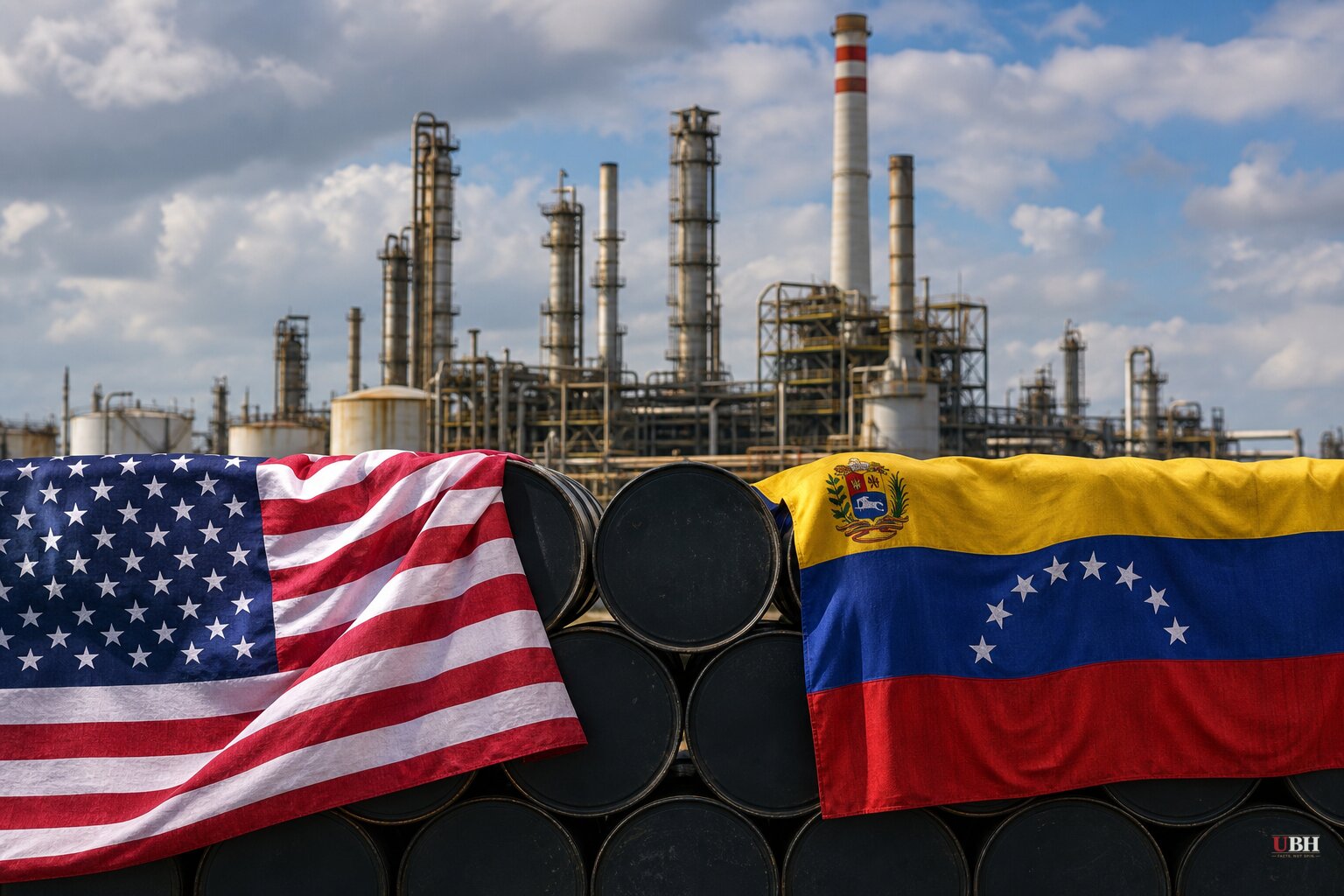
President Donald Trump announced Sunday that the United States has reached an agreement with Venezuela giving the U.S. government control over a joint venture that will manage more than 65 billion barrels of the country's proven oil reserves, according to the BBC. Trump made the announcement on social media, calling it "a Gift from Venezuela to the People of the United States."
What the Deal Says
Under the arrangement, the U.S. government will hold a 55% stake in a joint venture with an unnamed "experienced private operator" inside Venezuela, a U.S. official told CBS News. Venezuela's interim President Delcy Rodríguez said in a Saturday night address that the agreement will run for 25 years and called it central to her country's economic recovery.
Rodríguez is Nicolás Maduro's former vice president. She was installed after U.S. forces captured Maduro in January 2026 and brought him to New York to face drug trafficking charges, a case that has not yet gone to trial. The Trump administration has described the current arrangement in Caracas as one where, in the president's own past words, "we're in charge in Venezuela."
The Reserve Claim
Trump said the oil will go toward "topping out" the U.S. Strategic Petroleum Reserve, which he described as "virtually emptied" because of what he called mismanagement under former President Joe Biden. He separately posted that the deal would "more than double" American oil reserves and "substantially lower Gas Prices for all Americans."
Those are Trump's own characterizations, made in social media posts, not figures independently verified in the available reporting. No timeline was given for when the reserve replenishment would actually begin beyond Trump's statement that it would start "very shortly." No source in this reporting specifies current U.S. reserve levels or lays out how much Venezuelan crude would actually flow into American stockpiles, on what schedule, or at what cost to the joint venture.
The Legitimate Concern
Critics of the arrangement, and a reasonable skeptic reviewing the sequence of events, would point out something straightforward: the United States captured a sitting head of state on drug charges, backed his former deputy as interim president, and then that same government promptly signed over majority control of the country's most valuable natural resource to Washington. The timeline raises fair questions about how voluntary the deal really is, whether Rodríguez's government has broad recognition either inside Venezuela or internationally, and whether a 25-year resource-control agreement negotiated under those circumstances would hold up to legal or diplomatic scrutiny down the road. None of the sources reviewed address whether Rodríguez's government has been formally recognized by other nations or international bodies, whether the deal has been submitted to the U.S. Congress for any kind of review, or whether Maduro's trial outcome could affect the arrangement's legal standing.
Breitbart's coverage, which first detailed the 55% stake and the 25-year term, presents the deal largely through Trump's framing and Rodríguez's own statement affirming it, without addressing the recognition question or whether any legal challenge is anticipated. A deal of this size, tied directly to the forcible removal of a head of state, invites obvious questions about legitimacy that the available reporting doesn't answer either way.
What's Actually Verified
What is confirmed: Maduro was captured in January 2026 and is awaiting trial in New York on drug charges. Rodríguez, his former vice president, has been functioning as Venezuela's interim leader with U.S. backing. She publicly affirmed the oil agreement Saturday night. A U.S. official confirmed the 55% government stake to CBS News. Venezuela holds the world's largest proven oil reserves, and this deal reportedly covers control of more than 65 billion barrels of that total.
What is not confirmed by any source here: the identity of the private operator partnering with the U.S. government, the current fill level of the Strategic Petroleum Reserve, a timeline for oil actually reaching U.S. shores, any congressional review process, or whether Rodríguez's government carries recognition beyond Washington's backing. Those are the questions that determine whether this deal is the gas-price relief Trump is promising or a legally shaky arrangement built on the aftermath of a foreign leader's capture. Neither outcome is settled yet.
Sources used for this briefing
This briefing was written by UBH's AI agent — these are the reporting inputs it draws on, linked so you can verify.


