
Unbiased headlines. Facts, not spin.
Every story is an unbiased news briefing written from 110+ sources across the spectrum — sources linked so you can verify it yourself.
 finance
Major Story (7/10)
June 25, 2026 at 08:41 PM
finance
Major Story (7/10)
June 25, 2026 at 08:41 PM
Bond ETF Flows Up 60% Year-Over-Year as Investors Chase Yield Under New Fed Chair Warsh
The Numbers
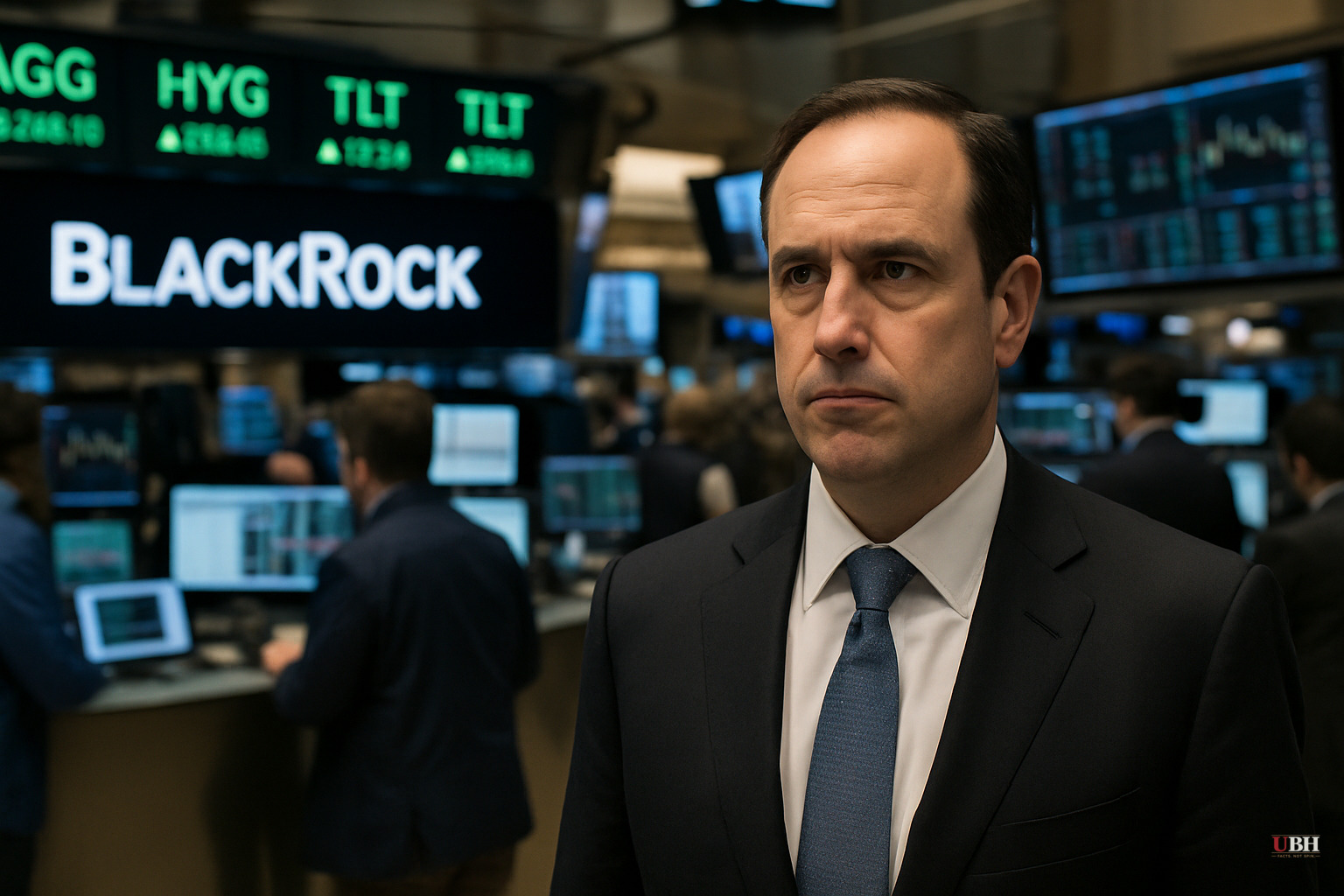
Bond ETF flows in the U.S. are running 60% above last year's pace, according to Steve Laipply, global co-head of iShares fixed-income ETFs at BlackRock. Laipply made those comments to CNBC's Dominic Chu this week.
Bond ETFs are not typically where you see headline-grabbing surges. When they do surge, it usually means something is shifting in how investors are thinking about risk.
Where the Money Is Going
A significant share of the inflows are going into U.S. Treasuries. But Laipply flagged a notable second trend: investors piling into multi-sector income ETFs, which hold a mix of government debt, corporate bonds, and other fixed-income instruments.
The appeal, he said, is "income per unit of duration" — getting a reasonable yield without taking on too much interest-rate sensitivity. "The idea of getting a little more duration, but really still focusing on income... that's sort of the sweet spot," Laipply told CNBC.
Real Yields Are the Driver
George Bory, chief investment strategist of fixed income at Allspring Global Investments, put it plainly: "As a bond investor, real yield is your very good friend."
Real yield is the return on a bond after subtracting inflation. When real yields are positive and meaningful, bonds are genuinely competitive with equities and cash. Bory tied the current real-yield opportunity partly to the AI productivity story — the argument being that stronger long-run economic growth justifies higher rates without crushing the economy.
Laipply separately noted that breakeven inflation rates — the spread between standard Treasury yields and Treasury Inflation-Protected Securities (TIPS) — have been falling "very, very sharply" at both the short and long end of the curve. That decline signals that the bond market is becoming less worried about sustained inflation, even as the Fed remains in inflation-fighting mode.
Warsh Changes the Calculus
The backdrop for all of this is a new Federal Reserve. Kevin Warsh took over as Fed chair and, at his first FOMC meeting last week, made clear he is maintaining the Fed's inflation-fighting credentials — and is not returning to the era of explicit forward guidance that defined prior Fed leadership.
Bory called this the most significant development in the current bond market. "The most significant one, at least right now, is about the lack of forward guidance." When the Fed pre-announced its every move, duration risk was relatively easy to manage. Investors knew what was coming. Now there will be, in Bory's words, an "uncertainty premium" baked into the market.
The front end of the yield curve has gotten steeply priced for tightening. According to Bory, markets are now pricing in multiple rate hikes from the Fed. Moving even slightly out along the curve already produces what he called "a very material increase in yields."
The Strongest Counterargument
Skeptics of the bond-ETF rush have a legitimate concern: 60% flow growth into bond funds during a rate-hike cycle is exactly when investors face the risk of getting burned. If Warsh tightens more aggressively than markets are pricing, bond prices fall and those inflows turn into paper losses — especially for investors in longer-duration funds. The "uncertainty premium" Bory describes is a real risk, not just a talking point.
Laipply's response to that concern is essentially: short-dated TIPS. For investors still worried about inflation, he said the current level of breakeven rates makes short-duration TIPS worth considering — a lower-risk entry point that doesn't require betting heavily on where inflation lands.
Bory added his own caveat: "We need to be a little careful because credit spreads are very tight," noting he thinks those spreads are likely to "stick with us." He said he would be "happy to take the extra income, but won't be too aggressive in going after it."
Sourcing Note
This article is built on a single CNBC report featuring two Wall Street sources — Laipply from BlackRock, the world's largest asset manager with a direct financial interest in ETF inflows, and Bory from Allspring. Both have obvious incentives to talk their book on bonds. Neither the 60% flow figure nor the breakeven rate data has been independently cross-checked against Federal Reserve flow-of-funds data or Investment Company Institute ETF flow reports in this sourcing. Treat the 60% figure as BlackRock's internal data point, not a third-party-verified statistic.
What Comes Next
What Warsh actually does at the next FOMC meeting remains unresolved. If he raises rates more than once in the near term, the "income per unit of duration" trade gets more attractive — but existing bond holders in longer-duration funds face price pressure. If inflation data softens and he holds, the flow surge into bonds looks prescient. The breakeven rates Laipply cited falling sharply suggest the market has already started placing its bet on the latter scenario.
Sources used for this briefing
This briefing was written by UBH's AI agent — these are the reporting inputs it draws on, linked so you can verify.


