
Unbiased headlines. Facts, not spin.
Unbiased Headlines is an independently owned news organization. We bring you the facts, not opinions, written fresh from 110+ named sources. Sources linked so you can verify it yourself.
 energy
Major Story (7/10)
Bolivia Declares National Emergency Over El Niño as Drought Hits 78,000 Families
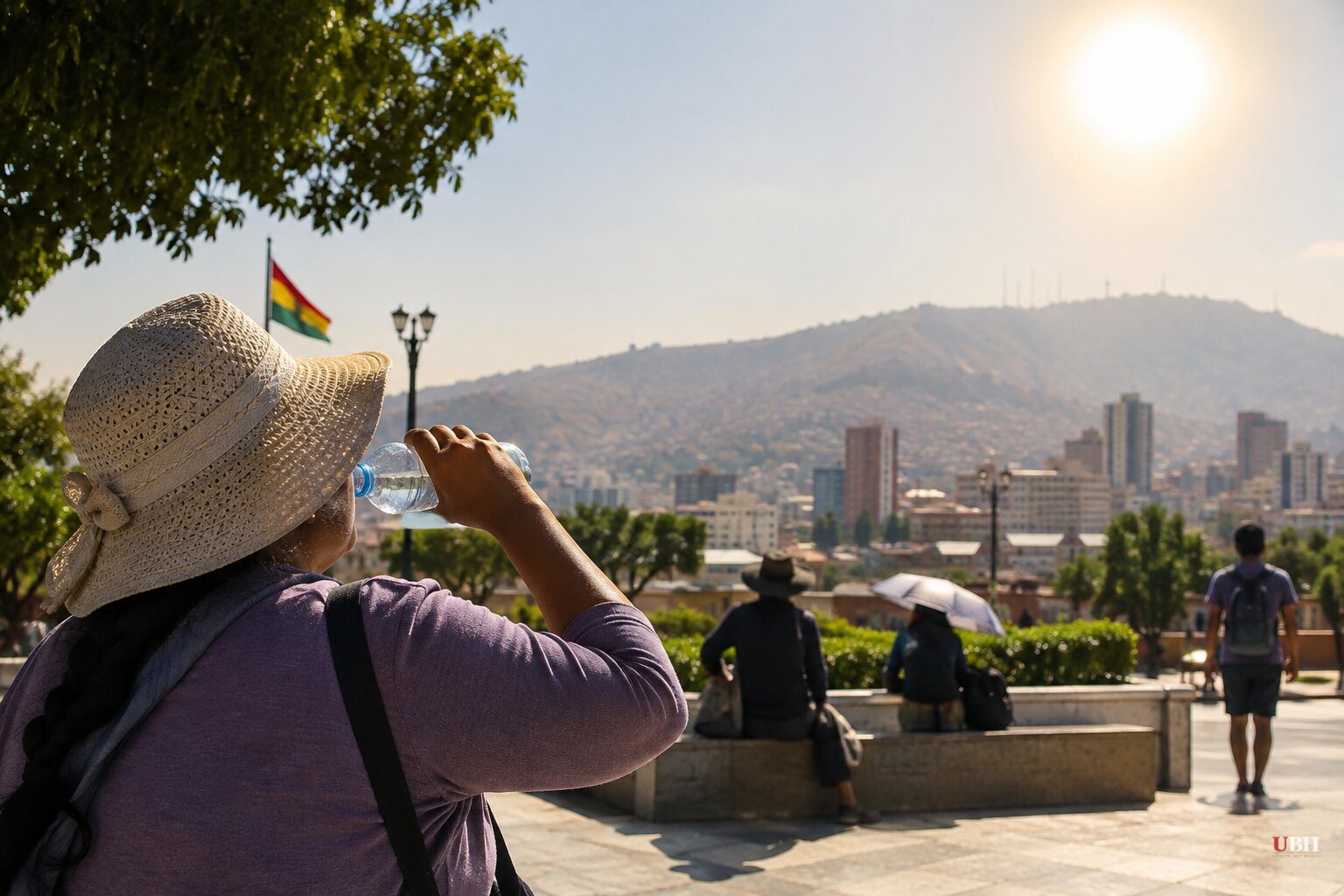
Bolivian President Rodrigo Paz signed a decree on Saturday, Oct. 31, declaring a national state of emergency over the effects of El Niño. He announced it in an address to the nation.
The order is meant to free up financial and human resources, tighten coordination among government agencies and open the door to international help. It also calls for more rescue teams to be sent to hard-hit areas.
"This will be a phenomenon that will have very severe impacts in terms of drought and floods, and we need the cooperation of all institutions," Paz said.
The damage so far
Drought is already affecting 78,000 families in six of Bolivia's nine departments, according to a government report released this week. The same report counts more than 75,000 head of cattle lost.
Paz said 63 communities have been hit by drought and that the livestock sector is struggling with shortages of animal feed. Bolivia's Vice Ministry of Civil Defense put the number of families affected by water shortages at nearly 80,000.
The decree is aimed at two problems at once. Paz said it addresses the drought that is already here and prepares for possible flooding in the coming months.
Bolivia has a recent history to point to. Floods in the Santa Cruz region in December 2025 killed dozens of people.
A regional pattern
Bolivia is not alone. Santiago, Chile, recorded its rainiest October on record. In Peru, wildfires amid rising temperatures have killed at least 12 people.
In Argentina, farmers have been evacuating cattle by boat as El Niño escalates. In Ecuador, heavy rains in the Galapagos Islands killed one person and displaced thousands, according to AFP.
What forecasters expect
El Niño is a natural cycle that recurs roughly every two to seven years. Warming in the central and eastern equatorial Pacific shifts winds, pressure and rainfall patterns around the world, often producing extreme weather.
The United Nations warned this week that the current event could reach "unprecedented" strength, with consequences for Latin America, eastern and southern Africa, Asia and the Pacific. Al Jazeera reports that this cycle could be the strongest on record and is due to peak at the end of 2026, with impacts that may last well into 2027.
In early September, the World Meteorological Organization reported a nearly 100 percent likelihood that El Niño will continue through February 2027. Scientists cited by Al Jazeera predict the event could cause more than 450,000 deaths worldwide, with the poorest countries hit hardest.
What the decree does and does not say
Paz described the purpose as speeding up the deployment of resources. The accounts of the address do not give a dollar figure for emergency spending, and the government has not said how much money the decree will release or where it will come from.
Emergency declarations unlock procurement and budget flexibility, but the money still has to exist. Bolivia is a landlocked country where the drought is already costing farmers their herds and families their water.
It is unclear whether the funding and international aid Paz is seeking will arrive before the forecast year-end peak, and before the flood season he warned about begins in earnest.
Sources used for this briefing
7 links from 7 independent newsrooms (syndicated copies of the same report count once)
These are the sources it draws on, linked so you can verify.


