
Unbiased headlines. Facts, not spin.
Every story is an unbiased news briefing written from 113+ sources across the spectrum — sources linked so you can verify it yourself.
 finance
Major Story (7/10)
Event date: September 6, 2026
finance
Major Story (7/10)
Event date: September 6, 2026
BOJ's Ueda Signals More Rate Hikes Coming, Sources Say October Report May Declare 2% Inflation Target Reached
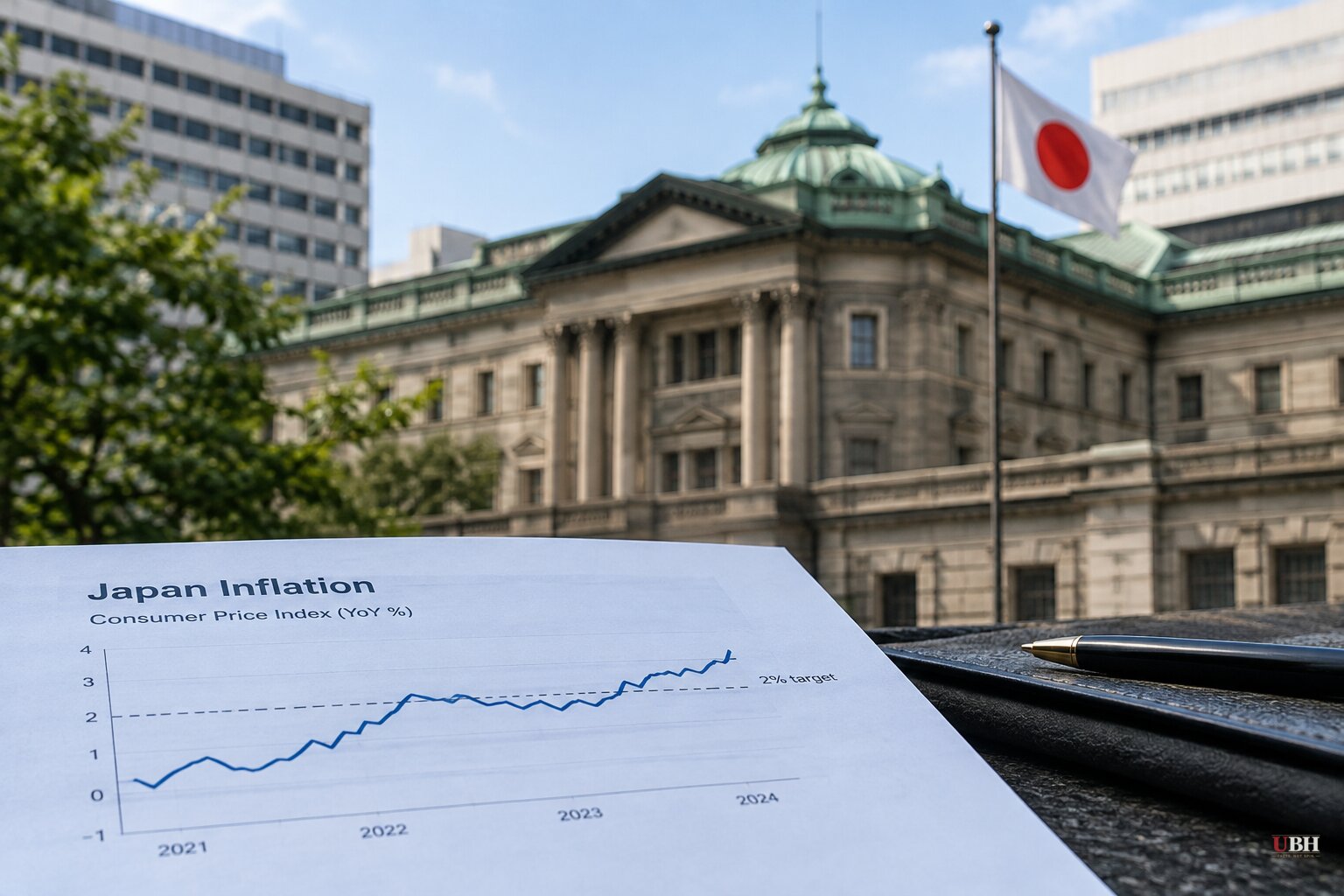
Since the Bank of Japan pushed its benchmark rate to a 31-year high last month, following an earlier hike in June, Tokyo has been raising borrowing costs roughly once a quarter. On Tuesday, Governor Kazuo Ueda said it's becoming "more important than before" to anchor underlying inflation around the BOJ's 2% target, according to Reuters reporting carried by WMBD Radio. That's a notably firmer line than the BOJ used after September's hike, when the bank said only that anchoring inflation was "important."
Ueda's comments come ahead of the BOJ's two-day policy meeting ending October 30, where new growth and inflation forecasts will be published. Three sources familiar with the central bank's thinking told Reuters, in reporting carried separately by Investing Live and MarketScreener, that the BOJ may use that October outlook to signal underlying inflation has roughly hit the 2% target for the first time in the bank's long campaign to escape deflation.
Mostly Symbolic, But Markets Are Listening
Any such declaration would be largely symbolic. It wouldn't itself trigger a rate move. But sources told Reuters it would reinforce market expectations of a December hike and signal the BOJ's readiness to keep tightening at a steady pace. Traders are currently pricing roughly an 86% chance the BOJ holds rates steady on October 30, and about a 64% chance of another hike by December, according to MarketScreener's sourcing.
The sources said recent Tokyo consumer inflation data and the BOJ's quarterly "tankan" business survey have strengthened the bank's conviction that underlying inflation is near target. But the tankan also showed corporate inflation holding roughly steady rather than accelerating, which takes some pressure off the BOJ to hike again this month. One source told Reuters inflation expectations "remain elevated but not flaring up."
Ueda flagged three specific pressures pushing underlying inflation higher: lingering raw-material cost increases tied to last year's Israel-Iran war, strong AI-related demand, and a weak yen. He said financial conditions remain accommodative even after September's hike and that the BOJ will keep adjusting the level of monetary support.
Why This Matters Beyond Tokyo
Japan's rate path isn't just a domestic story. CNN reported that Japan is the largest foreign holder of US Treasuries, and its bond market moves ripple through American borrowing costs. Japan's 10-year government bond yield has climbed to its highest level in three decades, driven by inflation, BOJ hikes, and investor unease over Prime Minister Sanae Takaichi's spending plans. US Treasury Secretary Scott Bessent has intervened repeatedly this year to support the yen, according to CNN, aiming to keep Japan from dumping dollar assets in a way that would push up US yields further.
The Federal Reserve isn't standing still either. Under Chairman Kevin Warsh, the Fed raised its benchmark rate by a quarter point last month to a range of 3.75% to 4%, its first hike in more than three years, according to NPR. That decision came as diesel prices hit record territory, averaging $6.31 a gallon the day of the Fed's move, with lingering effects from the 2025 Israel-Iran war continuing to push up fuel costs and contribute to August's annual inflation rate of 3.4%, per the Labor Department data NPR cited.
Not everyone thinks rate hikes are the right tool for this kind of inflation. Selma Hepp, chief economist at Cotality, told NPR that a Fed hike "is unlikely to lower gasoline prices, reduce tariff-related costs, or accelerate homebuilding, but it will further dampen housing demand and delay a broader market recovery." When inflation is driven by supply-side disruptions to oil shipments and diesel prices rather than by excess domestic demand, raising the cost of borrowing doesn't directly fix the supply problem. The same logic applies to Japan, where Ueda himself named lingering effects of the Israel-Iran war and the weak yen, not overheated consumer spending, as key drivers.
The counterargument, which Ueda and Warsh both lean on, is credibility. If central banks let inflation run without responding, long-term inflation expectations can become unanchored, making the problem worse and harder to reverse later. Warsh told an audience in Jackson Hole that "the responsibility for 65 months of sustained, elevated inflation sits squarely with the central bank" and that policymakers need to be confident inflation is "moving to our objective, clearly and at sufficient speed."
The next concrete marker is October 30, when the BOJ releases its quarterly outlook. If it formally states underlying inflation has reached 2%, that's the clearest signal yet that a December hike is coming, barring a sharp downside surprise in corporate inflation data between now and then.
Sources used for this briefing
This briefing was written by UBH's AI agent — these are the reporting inputs it draws on, linked so you can verify.


