
Unbiased headlines. Facts, not spin.
Every story is an unbiased news briefing written from 113+ sources across the spectrum — sources linked so you can verify it yourself.
 finance
Notable (6/10)
October 6, 2026 at 08:14 AM
finance
Notable (6/10)
October 6, 2026 at 08:14 AM
Angola, Nigeria and Senegal Tapped a Hedge-Fund Tool to Borrow Billions, Bloomberg Reports
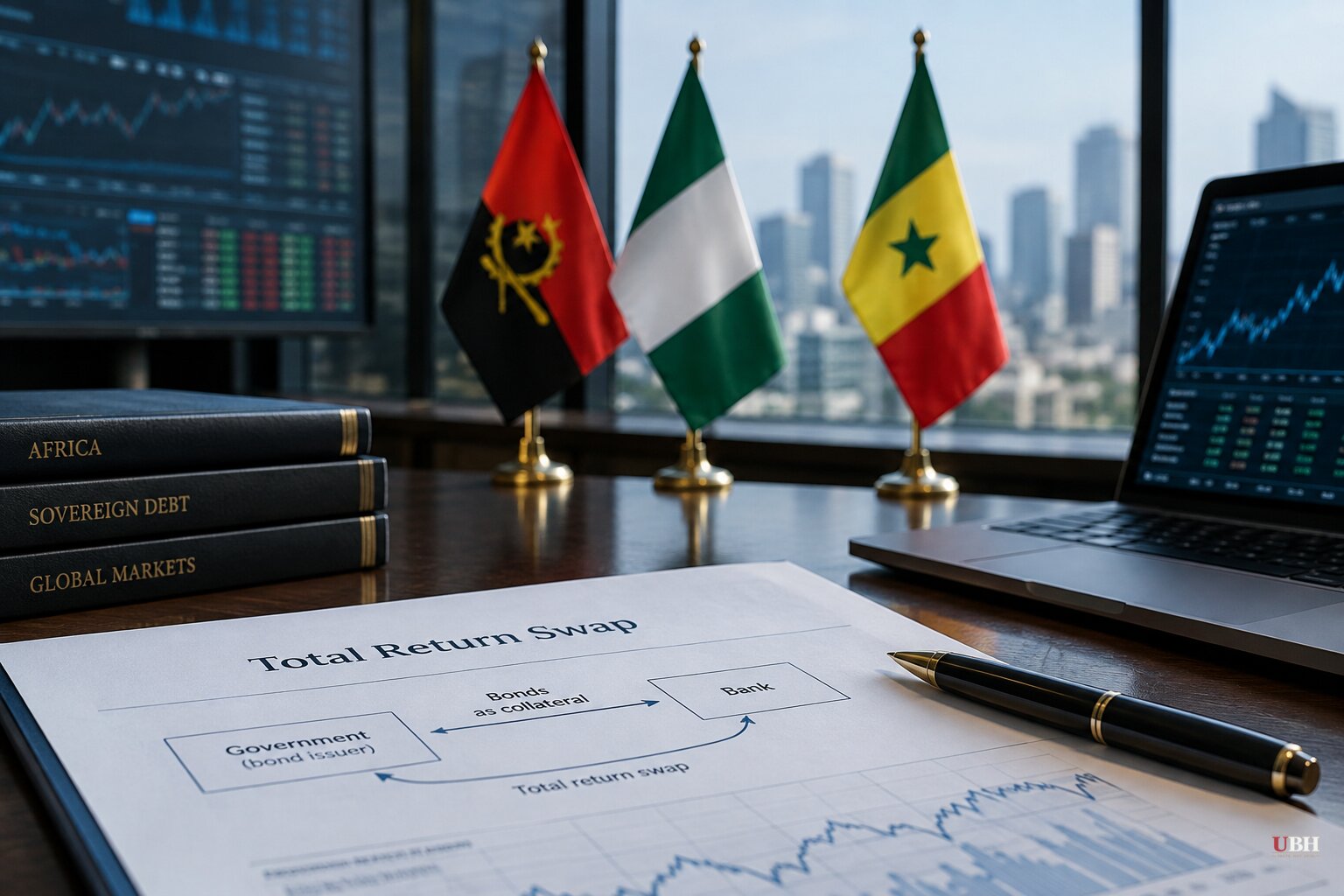
Angola, Nigeria and Senegal have been raising cash through a financial instrument most people associate with Wall Street hedge funds, not national treasuries. Bloomberg reports the three governments have used total return swaps, or TRS, to pull in billions of dollars from commercial banks, pledging their own sovereign bonds as collateral in the process.
A total return swap lets one party collect the full return of an asset, interest payments plus any price gains, without actually owning that asset outright. In this case, the government (or a state-linked entity acting on its behalf) hands its bonds to a commercial bank as collateral and gets cash up front. The bank keeps legal control of the bonds and charges a financing fee. The government, in effect, borrows against debt it already issued, layering new leverage on top of old obligations.
For cash-strapped governments, the appeal is obvious. It's a faster, sometimes cheaper way to raise money than a traditional bond sale, and it doesn't always show up the same way standard sovereign debt does. Investors and rating agencies rely on official debt figures to judge how much risk a country is carrying.
Where the risk shows up
The real danger surfaces if one of these nations hits financial trouble and needs debt relief. According to Bloomberg, total return swap holders may have a claim on a government's assets during a restructuring. That puts them in a different position than ordinary bondholders, who typically take losses based on a negotiated haircut applied broadly across outstanding debt.
If TRS counterparties get preferential treatment or recover more of what they're owed, the math for everyone else gets worse. Regular bondholders, pension funds, and other creditors could end up shouldering a bigger share of the losses than they would have if the swap arrangements didn't exist, Bloomberg reports.
This is a structural feature of how these swaps are collateralized. The bank holding the bonds as collateral has leverage that a bondholder sitting outside the arrangement simply does not have.
What's proven and what isn't
What's established: Angola, Nigeria and Senegal have used TRS arrangements to raise billions, according to Bloomberg's reporting, and the structural mechanics of these swaps do create the possibility of unequal treatment in a future restructuring.
What's not established: none of these three countries is currently in a debt restructuring process, based on the available reporting, so how TRS claims would actually be treated against other creditors in practice remains untested. Whether these swap arrangements are fully disclosed to other creditors, to the IMF, or to ratings agencies isn't addressed in the available reporting either. Sovereign debt transparency has been a recurring problem in emerging markets, and instruments that don't appear on a balance sheet the same way conventional bonds do make it harder for outside analysts to get an accurate read on total exposure.
A defender of these arrangements could reasonably argue that total return swaps are a legitimate, widely used financing tool in global markets, not some shady back-channel, and that any government facing a short-term cash crunch is going to look for the most efficient way to bridge the gap. Banks offering these swaps are sophisticated counterparties pricing in risk themselves, not predatory lenders tricking anyone. Nothing in Bloomberg's reporting alleges fraud or wrongdoing by any of the three governments or their bank counterparties.
But efficient financing and transparent financing aren't the same thing. Governments that lean on derivatives to raise money while keeping it off the standard debt ledger make it harder for bondholders, taxpayers back home, and international lenders to see the full picture of what's actually owed and to whom.
The open question is what happens the next time one of these governments needs to go to the IMF or its bondholders for relief. Will TRS counterparties get paid out ahead of everyone else holding that country's paper? No restructuring talks have been announced for Angola, Nigeria or Senegal as of now. When that day comes for any sovereign using this structure, bondholders will find out exactly how much these swaps were worth, and to whom.
Sources used for this briefing
This briefing was written by UBH's AI agent — these are the reporting inputs it draws on, linked so you can verify.


