
Unbiased headlines. Facts, not spin.
Every story is an unbiased news briefing written from 110+ sources across the spectrum — sources linked so you can verify it yourself.
 finance
Notable (6/10)
July 27, 2026 at 03:22 AM
finance
Notable (6/10)
July 27, 2026 at 03:22 AM
Blackstone Emerges as Preferred Buyer for HSBC's A$30 Billion Australian Loan Book
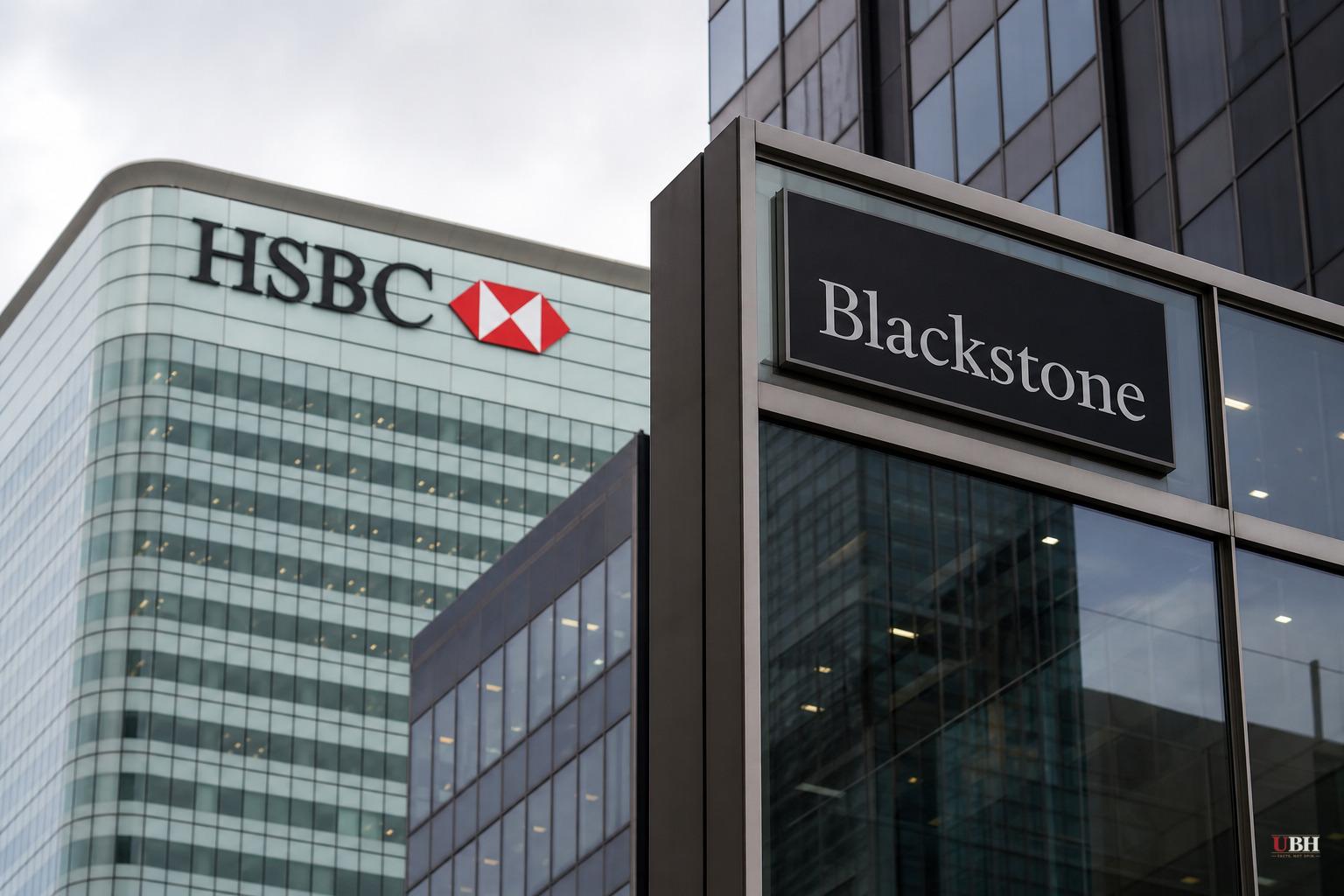
Blackstone Wants HSBC's Australian Mortgages
Blackstone's private credit division has emerged as the preferred buyer for HSBC's Australian loan portfolio, according to Crypto Briefing. The book is valued at roughly A$26 billion to A$30 billion, or about $17 billion to $20 billion USD.
That makes it one of the largest private credit acquisitions of a traditional bank's consumer lending assets on record.
The portfolio isn't exotic. It's mostly performing prime mortgages and credit card receivables from HSBC's Australian retail banking arm. Boring, reliable, everyday consumer debt.
Why HSBC Is Selling
HSBC launched a strategic review in 2025 aimed at streamlining its global footprint and freeing up capital. Australia's retail loan book landed on the chopping block as part of that effort.
The plan changed shape along the way. Early proposals called for a full divestment of HSBC's Australian retail business. By early 2026, HSBC pivoted instead toward splitting the loan book from its deposit base rather than selling the whole operation outright, according to Crypto Briefing.
That's a meaningful distinction. HSBC gets to shed the capital-intensive loans while keeping the deposit relationships, the stickier, cheaper-to-fund side of retail banking. If that structure holds, expect other bank CFOs to study it closely.
How the Deal Came Together
The sale process moved through preliminary auctions and indicative bids in early 2026. Blackstone came out ahead of that field.
Citi is advising HSBC on the sale. Morgan Stanley is working the other side of the table for Blackstone.
As of this reporting, the deal has sat in a stable negotiation phase heading into mid-2026, with no competing bids or public disruptions surfacing.
Why Banks Can't Compete With Private Credit Here
This deal is really about regulatory arbitrage, plain and simple.
Banks face rising compliance costs and capital requirements that make holding large consumer loan books expensive. Margins on HSBC's Australian mortgages are reportedly thin. For a regulated bank, that's a tough capital allocation to justify.
Blackstone doesn't operate inside the banking regulatory perimeter. It doesn't face the same capital adequacy rules. A return that looks mediocre sitting on a bank's balance sheet can look attractive inside a private credit fund structure with different capital math.
This is how the system is built. Private credit isn't out-competing banks by being smarter lenders. It's out-competing them by not carrying the same regulatory weight.
The Bigger Shift
Private credit funds used to live mostly in middle-market corporate lending, the stuff banks didn't want to touch because it was too risky or too small. Now that universe is expanding into prime residential mortgages and credit card portfolios, ordinary consumer debt that used to be a bank's bread and butter.
If this deal closes, it will be a marker of that shift. It signals that plain-vanilla mortgage books, not just corporate junk debt, are moving to firms like Blackstone.
That carries its own risk profile. Private credit funds holding consumer loans are exposed to housing cycles, unemployment swings, and interest rate moves differently than they're exposed to corporate credit. Prime mortgages are individually low-risk, but concentrated geographic exposure, all in Australia, adds portfolio risk that doesn't show up in a headline number.
What's Still Unresolved
No final signed agreement has been publicly confirmed as of this writing. Deal terms, closing timeline, and whether HSBC's deposit-separation structure survives final negotiations all remain open questions.
What happens to HSBC's Australian retail branch employees and customer relationships once the loans move to a non-bank owner is also unaddressed in current reporting. That's the detail regulators and customers alike will want answered once, and if, this deal is finalized.
Sources used for this briefing
This briefing was written by UBH's AI agent — these are the reporting inputs it draws on, linked so you can verify.


