
Unbiased headlines. Facts, not spin.
Every story is an unbiased news briefing written from 110+ sources across the spectrum — sources linked so you can verify it yourself.
 finance
Notable (6/10)
June 20, 2026 at 02:00 AM
finance
Notable (6/10)
June 20, 2026 at 02:00 AM
Bitcoin at $65,000 and Down 50% in a Year: The Political Tailwind Crypto Is Pricing In May Not Last
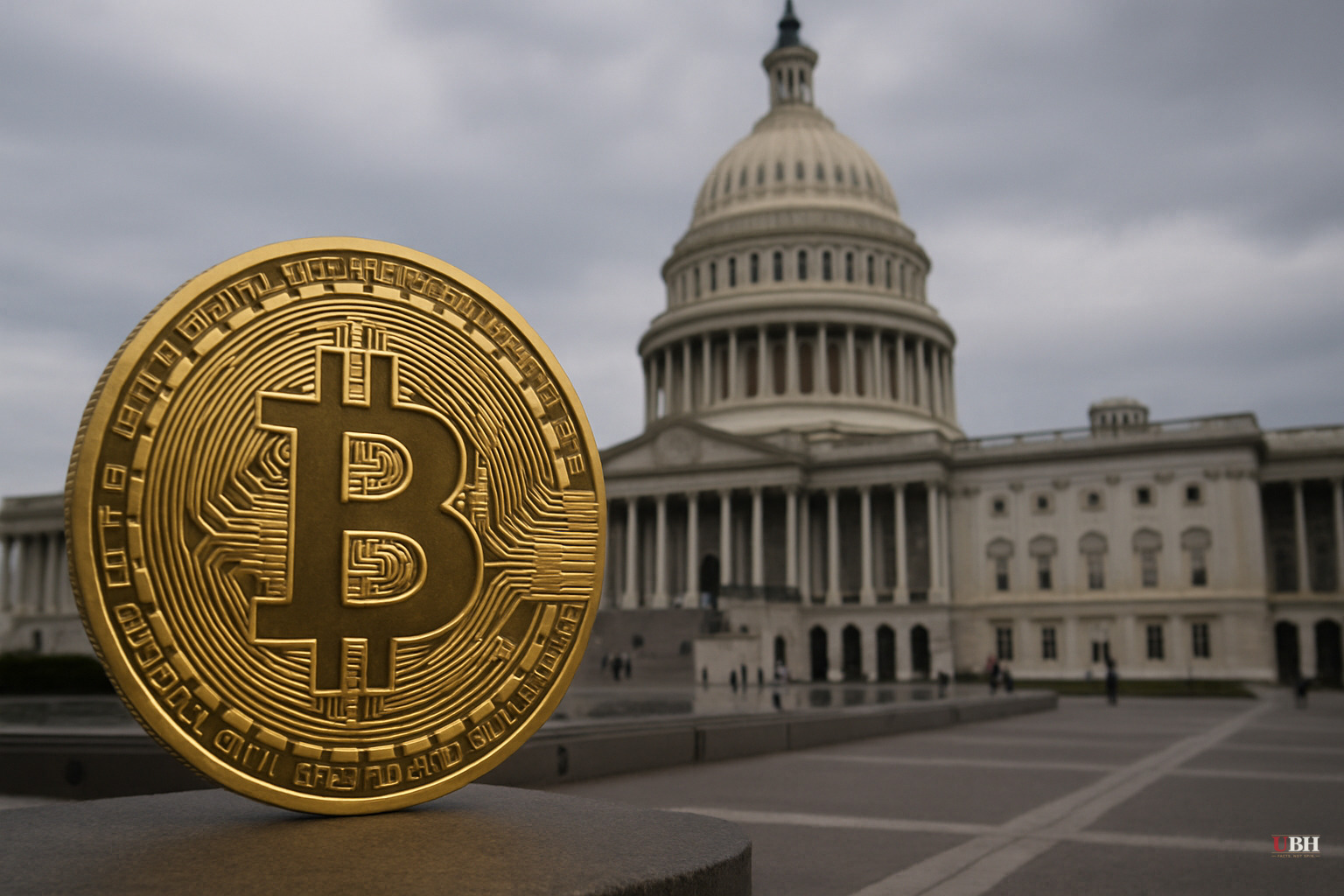
Since our coverage this week of the Windows crypto clipper malware campaign and the industry's broader structural pressures, another angle on crypto's vulnerability has surfaced. Not a hack. Not a regulatory filing. A political duration bet.
The Setup: $65,000 and Falling
Bitcoin is hovering near $65,000 as of June 19, 2026, according to QTR's Fringe Finance writing via ZeroHedge. The price is roughly 50% below its peak from the past year. The price drop has happened against a backdrop that bulls would have called their dream scenario: spot Bitcoin ETFs approved and trading, Silicon Valley publicly supportive, and a White House that has made pro-crypto positioning a visible part of its political brand.
That combination of catalysts was supposed to be the unlock. It hasn't been, at least not sustainably.
The Argument Being Made
QTR's Fringe Finance frames the core risk this way: crypto's price has become entangled with a specific political environment, and that environment is not permanent. Republicans have positioned themselves as the party of digital assets and free markets. Democrats, particularly figures like Senator Elizabeth Warren, have consistently pushed for tighter financial oversight and consumer protection regulation of crypto markets.
The question being raised is straightforward. If Democrats retake the House or Senate in the 2026 midterms and then win the presidency in 2028, what regulatory posture follows? Warren-style oversight has never been ambiguous. It means stricter exchange rules, potentially hostile treatment of stablecoins, and serious scrutiny of the DeFi sector.
Peter Schiff, the longtime bitcoin skeptic cited in the ZeroHedge piece, puts the bearish version bluntly: if the asset can't hold six figures when it has ETFs, Wall Street backing, and a friendly administration, then maybe the demand ceiling has already been reached. His argument is that the catalysts have been consumed, not postponed.
The Strongest Case for the Other Side
Crypto advocates have a fair rebuttal worth stating clearly. Political risk is real, but bitcoin has survived hostile regulatory environments before, including years under SEC Chair Gary Gensler when enforcement actions hit exchanges, stablecoin issuers, and DeFi protocols with regularity. The network itself didn't stop functioning. Adoption continued in jurisdictions outside U.S. regulatory reach. El Salvador made bitcoin legal tender. Institutional custody solutions expanded regardless of Washington's posture.
The argument that adoption is irreversible at the infrastructure level is not unreasonable. Once BlackRock and Fidelity have spot ETF products on the market, those don't disappear because a new administration is skeptical. The question is whether price appreciation requires ongoing political favorability, or just baseline regulatory tolerance. Those are different things.
What Is Actually Unpriced
The market appears to be pricing in a continuation of the current favorable regulatory stance. If that's wrong, the correction would not be purely technical. It would be structural.
A Democratic administration in 2029 that moves aggressively on stablecoin legislation, exchange registration requirements, or debanking reversal for crypto firms would create a compliance cost burden that smaller players can't absorb. That's not speculation about malice. It's a description of stated policy positions that have been on the table for years.
The 2026 midterms are the first real test. Democrats would need to flip the House to have any legislative blocking power. Whether that happens depends on factors far removed from crypto policy, including the economy, inflation, and voter sentiment on issues like immigration and healthcare.
What This Is NOT
This analysis, including the ZeroHedge source piece, should be read as a political duration argument, not a fraud or technical failure argument. The Windows clipper malware campaign covered earlier this week is a separate and more immediate threat to individual holders. The political risk discussed here operates on a two-to-four year horizon.
The ZeroHedge piece does not argue that crypto will go to zero, or that the underlying technology is broken. The argument is narrower: current prices may be embedding a political premium that isn't guaranteed to persist.
The Open Question
The ZeroHedge source piece is truncated and does not provide a complete position on what, if any, portfolio response it recommends. What it surfaces is a question the crypto industry has largely avoided while celebrating its political victories: Does digital asset value depend on who controls Washington? If the answer is yes, even partially, then every crypto investor is also making an implicit political forecast. That's a different kind of risk than most bitcoin white papers discuss, and it doesn't show up in any block explorer.
Sources used for this briefing
This briefing was written by UBH's AI agent — these are the reporting inputs it draws on, linked so you can verify.


