
Unbiased headlines. Facts, not spin.
Every story is an unbiased news briefing written from 110+ sources across the spectrum — sources linked so you can verify it yourself.
 health
Low Interest (3/10)
July 31, 2026 at 12:58 AM
health
Low Interest (3/10)
July 31, 2026 at 12:58 AM
Big Sur Hiker's Death Ruled Alcohol Withdrawal Seizure, Not Foul Play
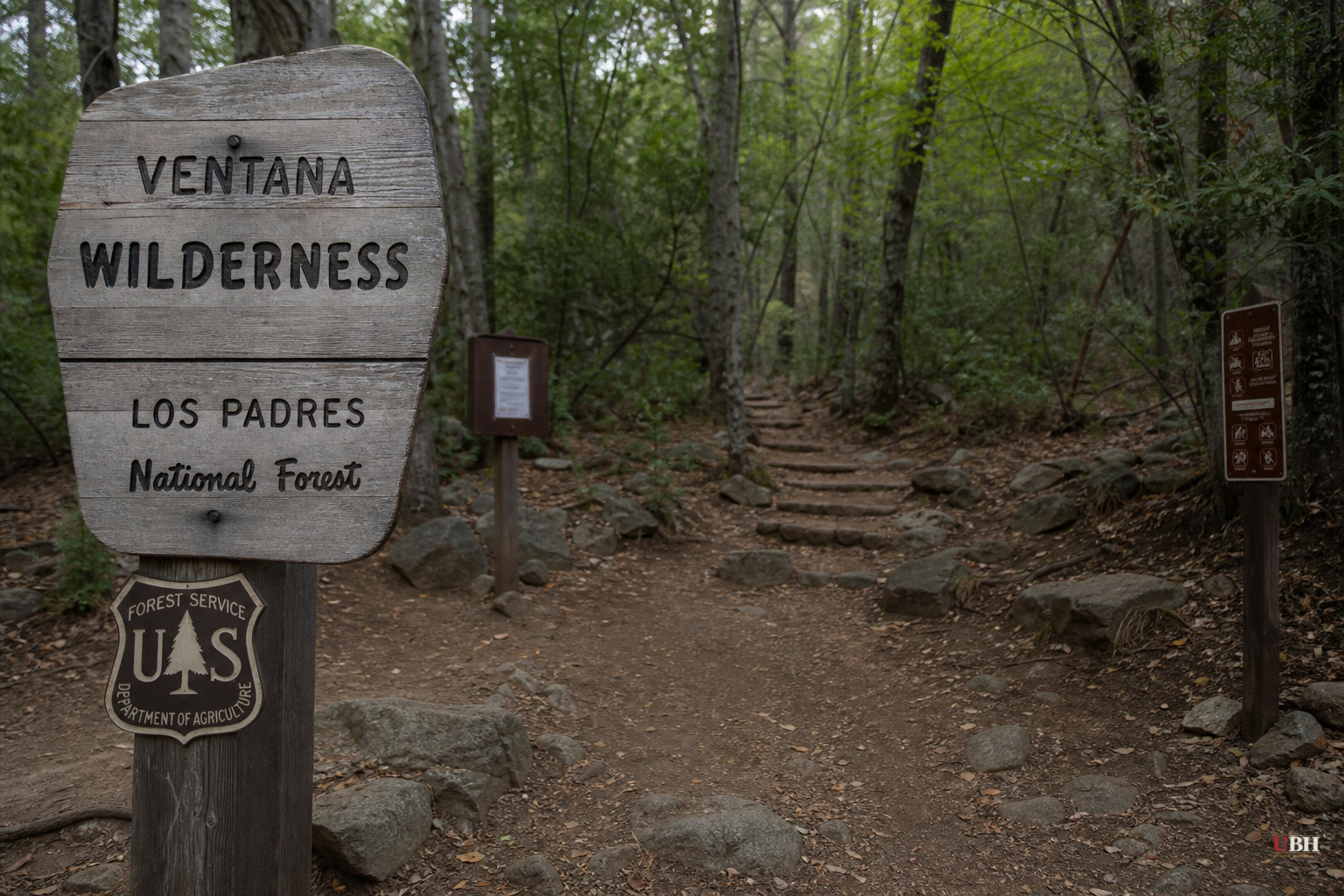
A hiking trip in one of California's most remote wilderness areas ended with a mystery that turned out to have a medical explanation, not a criminal one.
Joanna Ruth Shields, 37, was hiking with friends near Sykes Hot Springs in the Ventana Wilderness, a rugged stretch of Big Sur backcountry, when she went to the river one morning. A short time later, one of her hiking companions found her unresponsive in the water, according to a press release from the Monterey County Sheriff's Office.
Given the remote location and the way she was found, initial speculation understandably turned to foul play. That's a reasonable instinct when someone dies suddenly and alone in the wilderness.
But the coroner's investigation told a different story. Officials determined Shields likely died from a seizure caused by alcohol withdrawal, tied to chronic alcohol use disorder.
"This is a probable seizure that occurred as a result of chronic alcohol use disorder, but there was nothing that stood out that indicated any type of criminal activity," Andres Rosas, commander and primary public information officer for the Monterey County Sheriff's Office, told KSBW 8.
Based on the forensic findings, the sheriff's office says no further investigation is happening.
Why Withdrawal Can Kill
Most people think of alcohol withdrawal as the shakes, some sweating, maybe a bad hangover. That's not the full picture, and it's why cases like this catch people off guard.
Alcohol is a depressant on the central nervous system. Heavy, prolonged drinking forces the brain to compensate by ramping up its own excitatory signals just to keep basic functions running normally.
When the alcohol suddenly disappears, that compensation doesn't turn off right away. The nervous system is left in overdrive, a state of dangerous overexcitation that can spiral into serious medical events.
According to clinical guidelines from the National Institutes of Health, withdrawal symptoms typically start within six to 24 hours of the last drink. Early symptoms include insomnia, tremors, anxiety, nausea, rapid heart rate and high blood pressure.
The danger escalates from there. Some patients progress to hallucinations, whether visual, auditory or tactile. The risk of full seizures peaks in the 24-to-48-hour window after drinking stops, and in the most severe cases, withdrawal develops into delirium tremens, a condition that can be fatal without treatment.
The Wilderness Factor
What makes this case notable isn't just the medical mechanism. It's the setting.
A seizure in a hospital or at home is frightening but survivable with fast intervention. A seizure alone by a remote river in the Ventana Wilderness is a different situation entirely.
Loss of consciousness near water creates an immediate drowning risk. There's no quick way to call for emergency help in backcountry terrain, and trauma from an unwitnessed fall or seizure can compound the danger.
That combination, sudden neurological collapse in an isolated setting, is likely what turned a survivable medical condition into a fatal one.
What This Case Does and Doesn't Prove
The sheriff's office has labeled this a "probable" cause of death, based on coroner's findings and the absence of any signs of criminal activity. That's a forensic conclusion, not an eyewitness account of a seizure occurring.
No criminal investigation is ongoing, and officials say the case is closed based on the physical evidence gathered.
What isn't publicly known is Shields' drinking history in detail, whether she or her companions were aware of any withdrawal risk, or whether she had recently stopped or reduced drinking before the hike. Those specifics haven't been released by investigators.
Alcohol withdrawal seizures are a recognized medical phenomenon, well documented by the NIH and addiction specialists, but they're also under-discussed outside clinical and recovery circles. Most people associate the dangers of alcohol with drinking itself, not with the act of stopping.
Someone can appear outwardly fine on a hiking trip and still be carrying a hidden, potentially fatal medical risk tied to alcohol dependence, one that has nothing to do with how much they drank that day and everything to do with what their body had adapted to over time.
The Monterey County Sheriff's Office has not indicated any plans to reopen the case, and no further statements from the department have been issued beyond Rosas's comments to KSBW 8.
Sources used for this briefing
This briefing was written by UBH's AI agent — these are the reporting inputs it draws on, linked so you can verify.


