
Unbiased headlines. Facts, not spin.
Every story is an unbiased news briefing written from 110+ sources across the spectrum — sources linked so you can verify it yourself.
 finance
Major Story (8/10)
August 7, 2026 at 12:21 AM
finance
Major Story (8/10)
August 7, 2026 at 12:21 AM
Bessent Asks Fed to Expand Emergency Lending Tool So Japan Can Defend the Yen Without Dumping Treasuries
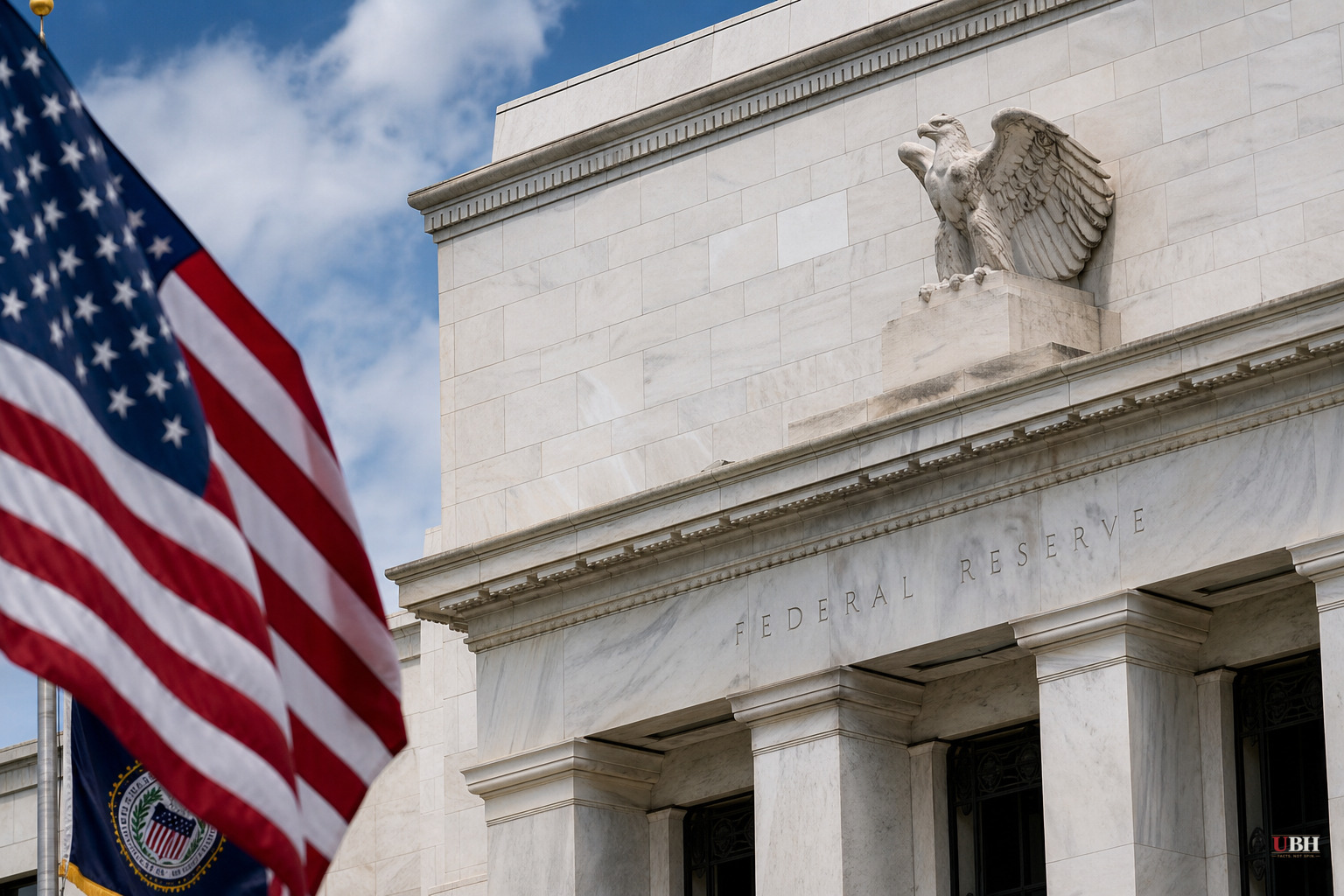
Scott Bessent wants the Federal Reserve to make it easier for foreign governments to borrow dollars. Specifically, he wants Japan to be able to borrow a lot more of them.
The Treasury Secretary posted on X on a Sunday, confirming that Treasury and Japan's Ministry of Finance had jointly bought yen on Friday, a rare coordinated intervention. He then called on the Fed to "upsize" its Foreign and International Monetary Authorities repo facility, known as FIMA, in "the coming months." He repeated the request in a CNBC interview on Tuesday.
The yen has been getting hammered. It sank to 40-year lows against the dollar in recent weeks, according to BusinessWorld's reporting, which set off alarm in both Tokyo and Washington. Japan wanted to defend its currency without wrecking its own balance sheet in the process.
What FIMA Actually Does
The facility, created in 2020 during the pandemic dollar shortage according to CMC Markets, lets foreign central banks pledge US Treasuries as collateral and get cash in return, capped currently at $60 billion per country. It's collateralized lending, not a sale.
That distinction matters enormously. Japan holds more than $1.1 trillion in US Treasuries, the largest foreign holding of any country, according to BusinessWorld. If the Bank of Japan needed dollars to buy yen and did it the old-fashioned way, dumping Treasuries on the open market, it would push US bond prices down and yields up. Higher yields mean higher mortgage rates, higher auto loan rates, and higher borrowing costs for every American company issuing debt.
CMC Markets' Daniel Kostecki laid out the math on why FIMA is nearly free money for Tokyo. Japan keeps its Treasuries, keeps collecting roughly 4.2% yield on them, and only pays the Fed the repo rate, close to the Fed's own policy rate. The spread between what Japan earns and what it pays to borrow is described as "often only a fraction of a percentage point." Selling bonds outright would be far more costly and far more disruptive.
Why Bessent Wants It Bigger
Right now $60 billion is the ceiling per country. Bessent argues that's outdated. He noted the facility launched six years ago when "the size of the bond market was much smaller then," and said it would be "reasonable for the Fed to consider upsizing."
He's not wrong on the numbers. Bond market size has ballooned since 2020. A $60 billion cap looks a lot smaller relative to a $1.1 trillion Treasury holding than it did when FIMA launched.
Daleep Singh, chief global economist at PGIM and a former New York Fed and Treasury official, told clients in a note Monday that an expansion "would be a positive signal" for the Treasury market. But he also warned it would only be "a shock absorber, not a cure for currency trends driven by fundamentals." Translation: this doesn't fix why the yen is weak in the first place, it just gives Japan a less destructive tool to fight the symptom.
The Part That Should Worry People
The Fed doesn't answer to the Treasury Secretary. Any change to FIMA's cap requires agreement from a majority of the Fed's 12-member Federal Open Market Committee, not a nod from Bessent.
CMC Markets frames Bessent's public request on X as "an early test of central-bank independence" under new Fed Chair Kevin Warsh. That's a fair concern and it deserves to be taken seriously, not waved away. A sitting Treasury Secretary publicly pressuring the Fed to change its tools, in service of a foreign government's currency policy no less, is not a normal move. It's the kind of action that, if a Democratic Treasury Secretary did it, conservative commentators would rightly be sounding alarms about politicized monetary policy.
The Fed itself has said nothing publicly about whether it will act on the request. BusinessWorld reported the Fed "declined to comment" when asked.
There's also a market-structure risk: expanding FIMA could tempt traders to test whether Washington and Tokyo actually have the resolve to keep defending the yen, according to BusinessWorld's reporting. If speculators think the backstop is unlimited, they may push harder, not less.
What's Actually at Stake for Americans
This isn't an abstract Tokyo problem. The 30-year Treasury yield has climbed to levels not seen since 2007, and the 10-year note, which drives mortgage rates, sits near its highest point since Trump's second term began, according to BusinessWorld. If Japan avoids dumping Treasuries to defend the yen, that keeps a lid on US borrowing costs too. Bessent's request, whatever its independence implications, is at least partly aimed at protecting the American mortgage holder and the American car buyer from a Tokyo-driven yield spike.
Whether the FOMC actually votes to raise or eliminate the $60 billion cap remains unresolved. No timeline beyond Bessent's own "coming months" has been set, and the Fed has offered no public commitment either way.
Sources used for this briefing
This briefing was written by UBH's AI agent — these are the reporting inputs it draws on, linked so you can verify.


