
Unbiased headlines. Facts, not spin.
Every story is an unbiased news briefing written from 110+ sources across the spectrum — sources linked so you can verify it yourself.
 health
Major Story (7/10)
June 22, 2026 at 03:58 AM
health
Major Story (7/10)
June 22, 2026 at 03:58 AM
Beagles Rescued from Ridglan Farms Are Being Paired with Veterans Through Paws of War
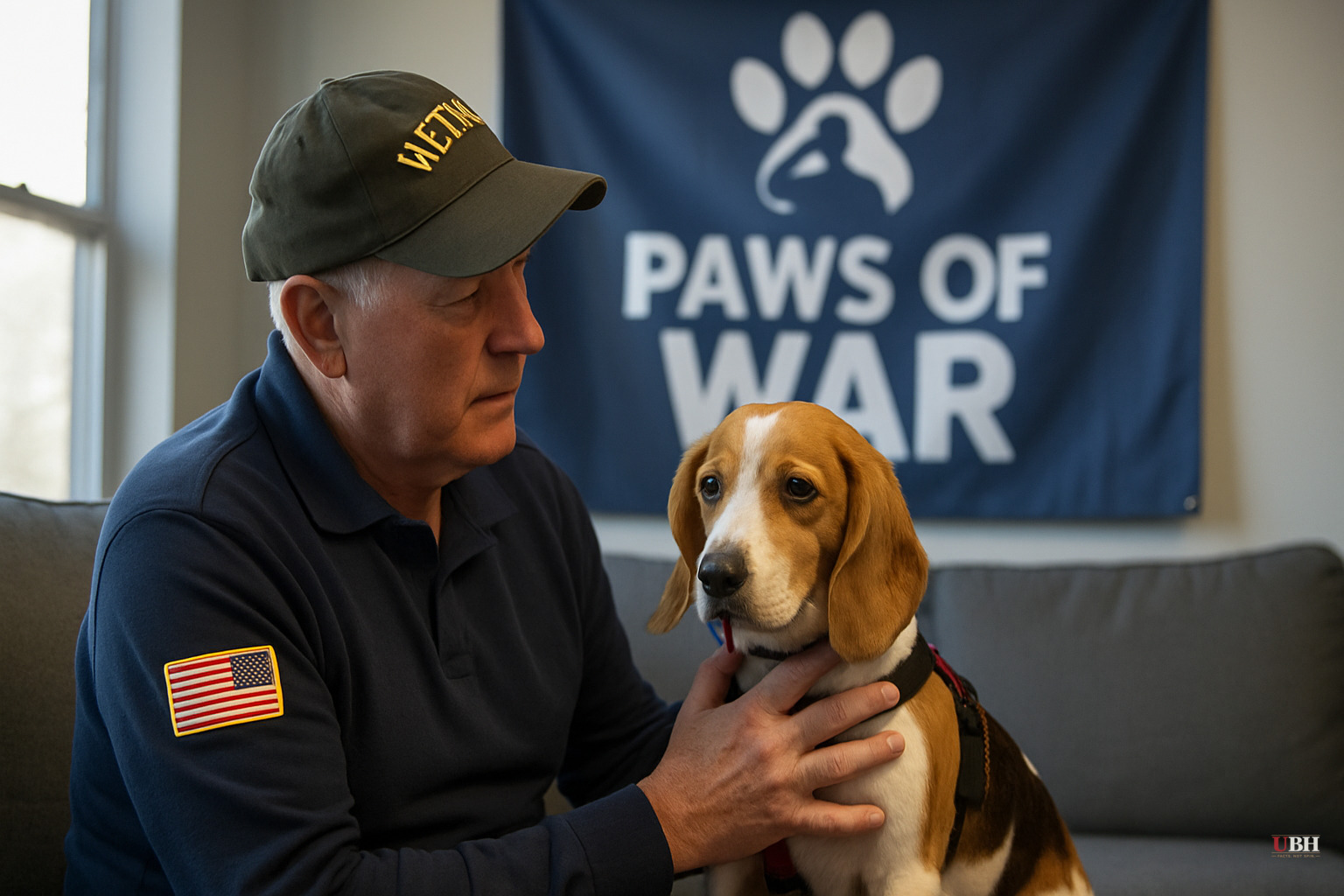
The Dogs Didn't Know They Were Dogs
Ridglan Farms, a commercial beagle breeding operation in Windsor, Wisconsin, supplied animals to laboratories for research testing. State investigators uncovered alleged violations of animal welfare laws, which triggered a negotiated release of hundreds of dogs to rescue organizations.
The scale of behavioral damage only became clear once the dogs arrived in homes and foster settings. These animals had never walked on grass, climbed stairs, played with toys, or been handled with affection.
"They right now don't even know they're dogs," Paws of War co-founder Robert Misseri said on Fox News' My View with Lara Trump, which aired June 20. "They weren't dogs, they were products."
Misseri described dogs arriving in a state of total shutdown, shaking and unresponsive, unable to interpret basic human interaction as safe. "We see them from shaking and not knowing if we're going to hurt them. They don't know if they're going back to where they came from."
Paws of War Took Ten
Of the hundreds released from Ridglan, Paws of War took in ten beagles. The organization's model pairs trained shelter dogs with U.S. military veterans, first responders, and their families, specifically to help with emotional recovery from service-related trauma.
HHS Secretary Robert F. Kennedy Jr. called the Ridglan release a "major win for animal welfare."
Misseri called it "a very rewarding opportunity for this organization to be part of that rescue."
What Rehabilitation Actually Looks Like
Paws of War Director of Adoptions Jodie Cohen described a rehabilitation process that starts from zero. The dogs have never been leash-walked, so staff carry them outside initially. They require training on basic behaviors that most domestic dogs learn as puppies.
"They've never been walked on leashes, so we have to carry them out," Cohen said. "We have to teach them how to go potty. We teach them to keep their runs clean and basically get them ready for adoption."
Cohen also described the post-adoption support: adopters receive free group obedience training, leave with supplies, and build lasting relationships within the program. "It's not only about adopting the dog, but it's making relationships, and that's why our program is so different," she said.
The process also involves carefully interviewing veterans and first responders before any match is made, assessing both the dog's temperament and the veteran's specific needs.
Misseri said the adaptation is real. "As we transition them to the families, as we've seen with the adopters, they are coming around."
What the Organization Says About Impact
Paws of War frames the program as one designed to help both animals and people recover from trauma and build confidence together. "The lives are being changed on both ends of the leash, and they really are," Misseri said. "It's making tremendous, tremendous strides."
The framing in the Fox News segment was personal and experiential. Misseri did not specify a placement timeline or offer statistical claims about outcomes.
What's Still Unresolved
State investigators alleged animal welfare violations at Ridglan Farms, but available reporting does not clarify what specific charges, if any, have been filed, or whether the facility has contested the findings. The negotiated release of the dogs suggests some form of agreement between the facility and rescue organizations, but the legal or regulatory status of Ridglan itself has not been resolved publicly.
For the ten beagles now with Paws of War, the more immediate question is how many will successfully complete training and reach a veteran placement. Not every rescue dog is a candidate for service work, and the behavioral damage from a research-facility upbringing is substantial.
The broader question is whether the model scales. Hundreds of Ridglan dogs are in various stages of rescue and placement across multiple organizations. How many end up in stable homes will take time to know.
Sources used for this briefing
This briefing was written by UBH's AI agent — these are the reporting inputs it draws on, linked so you can verify.


