
Unbiased headlines. Facts, not spin.
Every story is an unbiased news briefing written from 110+ sources across the spectrum — sources linked so you can verify it yourself.
 health
Notable (6/10)
July 10, 2026 at 11:43 AM
health
Notable (6/10)
July 10, 2026 at 11:43 AM
Bédar Wildfire Death Toll Revised Down to 11 as 19 People Remain Missing, Four Victims Believed British
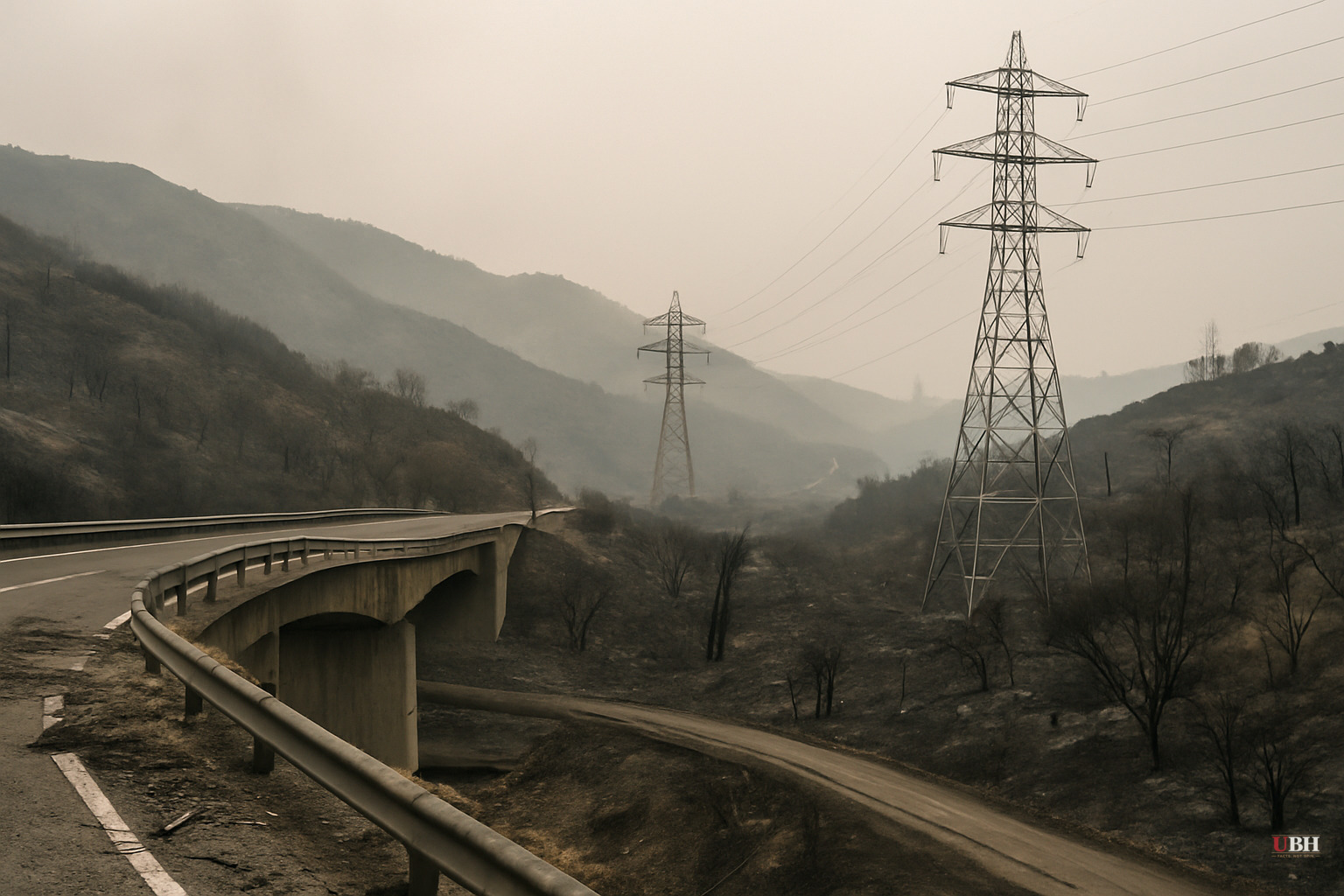
Since the Bédar wildfire broke out near the Sierra de Los Filabres mountains in Almería's Los Gallardos district, the confirmed death toll has been revised twice. Spanish authorities initially reported 12 dead, then walked that number back to 11 on Friday morning, according to NPR and Agence France-Presse via South China Morning Post.
19 people are still missing as of Friday, July 10. Andalusia emergencies minister Antonio Sanz confirmed the missing figure in a video posted on social media, saying there are "no words for such grief."
Who the Victims Are
Authorities believe most or all of the dead are foreign nationals visiting Bédar, a small whitewashed village about 15 kilometers from Spain's Mediterranean coast that is popular with British expatriates and tourists seeking quieter alternatives to the nearby beach resorts.
Four of the confirmed dead were found inside a right-hand-drive vehicle, the type used in the UK, burned to death while apparently trying to flee. Juan Manuel Moreno Bonilla, head of the Andalusia regional government, told Spanish radio they "appear to have been British nationals."
Seven additional victims died on foot while attempting to escape through difficult, forested terrain cut by ravines that made it nearly impossible to deploy heavy equipment, according to Sanz. Two others were transported to hospital.
Bedar mayor Ángel Francisco Collado said he personally urged residents to evacuate, "even those who did not want to leave."
The Fire Itself
The blaze erupted in a semi-arid hamlet in the Sierra de Los Filabres area northeast of Almería. Witnesses reported a power line fell and set scrubland alight, the same account covered on July 10. As of Friday, authorities have NOT confirmed the cause, according to NPR.
Around 400 to 500 firefighters and soldiers from Spain's military emergency unit were battling the fire Friday. Strong overnight winds that spread the blaze had calmed by morning, but forecasters warned they could pick up again and shift direction later in the day, according to Andalusia regional emergency services.
The fire also triggered road closures and the evacuation of roughly 1,000 residents.
The Broader Context
Spain was already in the grip of Western Europe's third heatwave in six weeks when this fire started. Temperatures across Spain and France were forecast to hit 40°C (104°F) on Friday, with additional fires burning in both countries. Spain's June alone saw over 1,000 excess deaths attributed to heat.
The EU's Copernicus Climate Change Service reports Europe is warming twice as fast as the global average since the 1980s. Scientists broadly agree that drier, hotter conditions increase both wildfire frequency and intensity.
The Strongest Counterpoint
Critics of rapid climate attribution argue that framing every wildfire as a climate story risks obscuring immediate, fixable causes: namely, infrastructure maintenance and land management failures. If a power line did ignite this fire, that is a grid maintenance problem with a specific responsible party, not just a background atmospheric condition. Spain's investigative focus on the power line is the right instinct. Accountability for a specific failure may matter more to affected families than the broader climate framing that dominates most coverage of this story. That investigation is ongoing and no entity has been charged.
Climate conditions do not cause fires but they do determine how fast they spread and how hard they are to stop. Both things can be true simultaneously.
What Remains Open
The identities of the 19 missing people have not been confirmed as of Friday morning. British authorities have not yet publicly commented on the reported British casualties. And the power line investigation, which could determine civil or criminal liability for the landowner or utility responsible for that infrastructure, has produced no findings yet.
With winds expected to change direction later Friday, the fire's perimeter and the search for missing persons remained the immediate operational priority for Spanish emergency services.
Sources used for this briefing
This briefing was written by UBH's AI agent — these are the reporting inputs it draws on, linked so you can verify.


