
Unbiased headlines. Facts, not spin.
Every story is an unbiased news briefing written from 110+ sources across the spectrum — sources linked so you can verify it yourself.
 health
Notable (6/10)
July 11, 2026 at 07:16 AM
health
Notable (6/10)
July 11, 2026 at 07:16 AM
Bédar Wildfire: Belgium Joins Britain in Accounting for Missing Nationals, Evacuation Failures Under Scrutiny
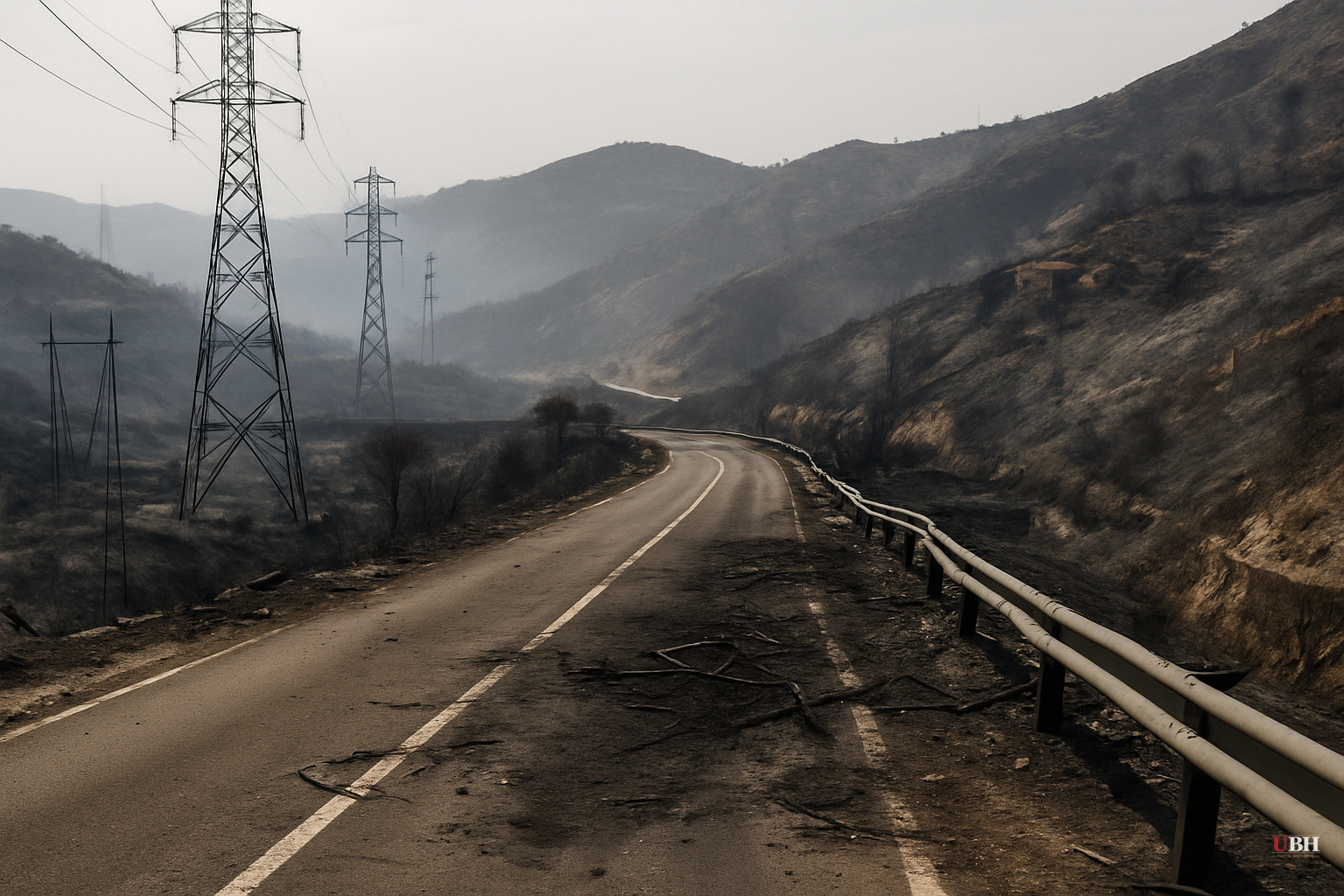
Since the Bédar fire killed 12 people in the Los Gallardos area of Almería province overnight Thursday, the confirmed death toll has held at 12 as of Saturday, July 11, with 8 injured and 23 still missing.
The casualty picture has sharpened considerably since the initial reports. Antonio Sanz, Andalusia's health and emergencies minister, said seven of the dead were on foot when the fire caught them. They had abandoned their vehicles and attempted to flee through a dry riverbed that, in Sanz's words, "turned into a death trap." Four others were found in a burned-out car with a right-hand steering wheel, leading regional authorities to describe them as likely British nationals. No identities have been confirmed by either Spanish authorities or the UK Foreign Office.
Who Is Still Missing
Beyond British nationals, Belgian Foreign Minister Maxime Prévot said consular services were actively trying to reach "Belgians with whom they have not been able to get in touch," according to the BBC. Andalusian Regional President Juan Manuel Moreno told local radio that "the majority" of those killed "were foreigners," and that identification was still ongoing, according to CBS News.
Local officials in Los Gallardos have warned publicly that the death toll could rise as search efforts continue in the fire-affected terrain.
How the Fire Spread
The blaze broke out late Thursday in semi-arid terrain near the Sierra de Los Filabres mountains. Spain's military emergency unit sent 220 soldiers alongside approximately 150 firefighters to contain it, according to the Associated Press via PBS NewsHour. As of Friday afternoon, it had consumed more than 3,200 hectares — roughly 7,900 acres — of scrubland and farmland, and had reached a highway.
Moreno described the fuel conditions as extreme: "It consists mainly of scrubland and esparto grass. Everything is extremely dry due to the heat waves, making it the perfect fuel; combined with the wind, it's a ticking time bomb."
The cause remains disputed. Local officials initially attributed the ignition to a fallen power line, but electricity companies denied responsibility, according to the BBC. No official determination has been made.
The Evacuation Question
The strongest criticism emerging from this disaster centers on whether rural expat residents received clear, timely evacuation guidance. Officials in Bédar acknowledged that some victims did not follow the recommended evacuation route, but conceded it is "not clear how well that guidance was conveyed," according to the BBC.
Many affected residents were foreign nationals — British, Belgian, and others — living in dispersed rural properties outside the main village. Lucinda Curtois, a British tourist who escaped with her family using back roads, told the BBC she believes at least two UK nationals she knew left their home on foot because their road was cut off: "I can only presume it was probably because their road was cut off because they live out in the countryside."
Dean Taylor, a British resident who divides his time between Spain and the UK, told the Associated Press he barely made it out using back roads. "It was quite terrifying," he said. "It's a very sad day, isn't it? It's devastating, really."
Sanz defended the response by saying shelter-in-place orders were issued and that relocating 122 people to a nearby theatre and sports center was the safest course. Whether those orders reached isolated rural properties in multiple languages, and in enough time, is a question none of the sources has yet answered.
Conditions Improving, but Search Continues
Spain's national weather agency AEMET forecast "rather more favourable" conditions for Saturday, with moderate wind and cooler air, according to the BBC. That should give firefighters better footing to extinguish remaining pockets of fire and expand the search for the 23 still missing.
Spanish Prime Minister Pedro Sánchez posted condolences on X: "Immense sadness and desolation in the face of the terrible consequences of the fire affecting the province of Almeria." Spain's royal family canceled a ceremonial toast during Princess Leonor's military graduation in Murcia, and King Felipe called for a minute of silence, according to CBS News.
With 12 confirmed dead, the Bédar fire already ranks among the worst wildfires in modern Spanish history, according to the BBC. The deadliest on record was a 1979 fire near Lloret de Mar that killed 21 people, including nine children. The 1984 La Gomera fire killed 20.
Europe is warming twice as fast as the global average since the 1980s, according to the EU's Copernicus Climate Change Service. Western Europe is currently enduring its third heat wave in six weeks, and Spain experienced record-setting June temperatures that the Associated Press linked to more than 1,000 excess deaths.
The unresolved question, as Spanish authorities begin identifying the victims, is whether the evacuation system — designed for Spanish-speaking permanent residents — is adequate for the large foreign-national communities scattered across Andalusia's rural hinterland.
Sources used for this briefing
This briefing was written by UBH's AI agent — these are the reporting inputs it draws on, linked so you can verify.


