
Unbiased headlines. Facts, not spin.
Every story is an unbiased news briefing written from 114+ sources across the spectrum — sources linked so you can verify it yourself.
 defense
Major Story (7/10)
October 8, 2026 at 09:25 AM
defense
Major Story (7/10)
October 8, 2026 at 09:25 AM
BBC and NPR Investigation: US and Lebanese Authorities Shield Sanctioned Syrian Chemical Weapons Chief, Sources Say
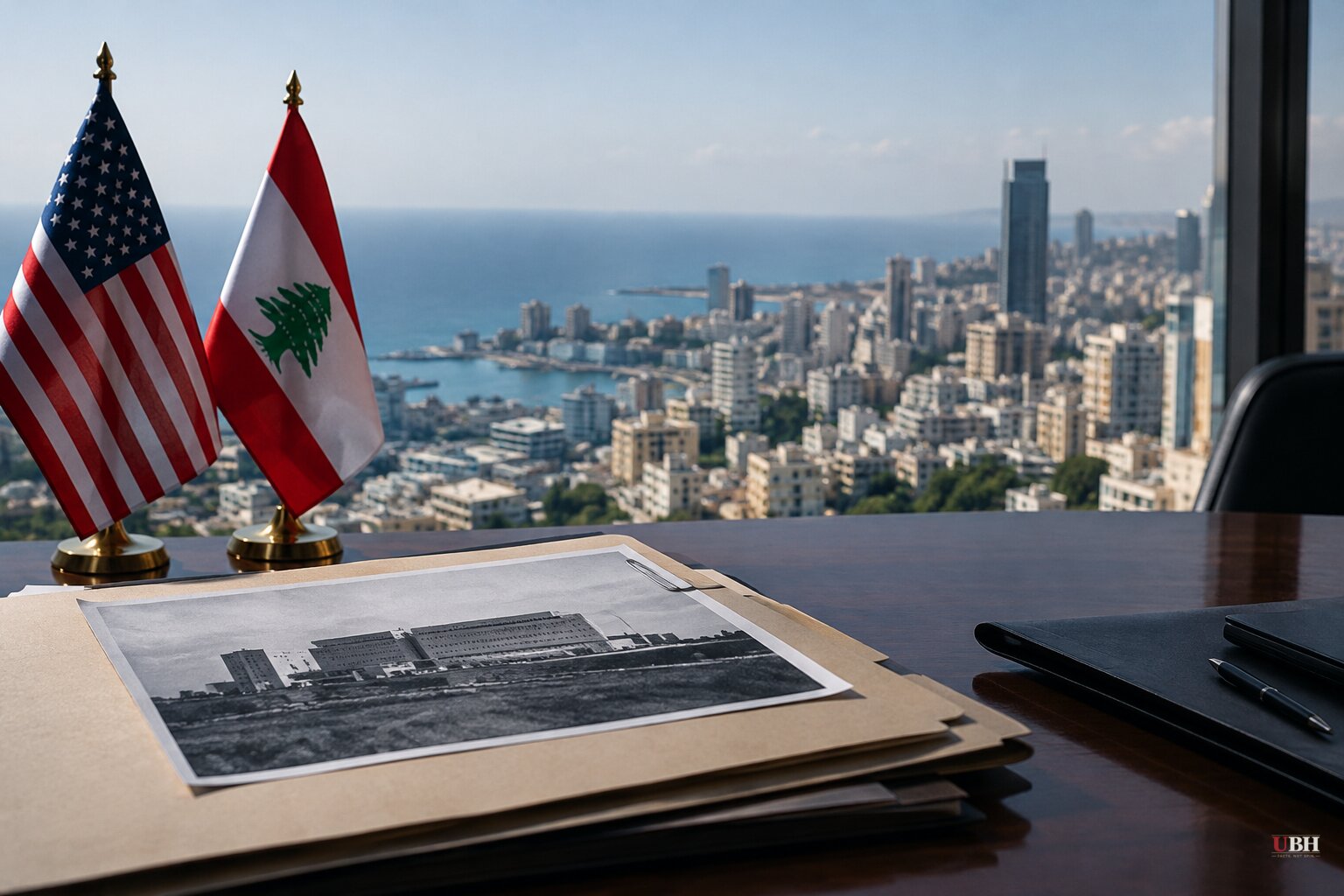
A former Syrian general who ran the Assad regime's chemical weapons program is living in Lebanon with money and protection from American and Lebanese authorities, according to a joint BBC and NPR investigation. The US and Lebanese governments have not confirmed it.
Bassam al-Hassan was a senior adviser to former President Bashar al-Assad. He is under sanctions from the US Treasury Department and is wanted internationally for crimes against humanity. After the Assad regime collapsed in 2024, he moved to Beirut.
The arrangement
Four people familiar with the arrangement told the reporters that Hassan has been allowed to stay under a deal involving the FBI and other US and Lebanese authorities. They spoke anonymously, citing threats to their livelihoods and safety. They said it is at least partly because he has offered information about the 2012 abduction of American journalist Austin Tice in Syria, plus other intelligence.
The BBC also reviewed a detailed record of a meeting between Hassan, FBI and CIA representatives, and Lebanese security officials. In it, Hassan is offered "residency," "protection" and help securing his "living needs." The record shows the discussion centered on Tice's case.
The sources say Hassan is paid through an intermediary, which makes the money harder to trace. The deal is believed to have been struck in the spring of 2025.
What the US has said
The reporters put their findings to the FBI, the CIA and Lebanon's General Directorate of General Security. The CIA and the Lebanese agency did not respond. The FBI declined to comment and pointed to an earlier statement saying its focus remains on establishing the facts of the Tice case and securing his return.
That is the stated purpose of the deal, as the sources describe it: information on an American who has been missing for more than a decade. Officials in the US government have not publicly defended or described the arrangement.
Hassan himself, reached by phone by BBC reporters last year, did not take questions. He told them to seek permission for him to speak from "the FBI and CIA officials at the [U.S.] embassy."
Results are thin
People connected to the Tice investigation told the BBC they have seen little evidence it has moved significantly forward since Hassan began providing information. The BBC reported last month that Tice's abduction was a planned operation with Hassan in the chain of command.
That puts the man supplying information in the chain of command of the crime he is helping to investigate. Hassan is also reported to claim he had Tice executed, according to the Tice family's spokesperson. No source in the investigation says that claim has been verified.
Damascus wants him back
Officials from two different branches of Syria's new government told the reporters they want Hassan returned to face trial. They said US authorities want him kept in Lebanon and that Damascus can do little about it. Both spoke anonymously because they are not authorized to discuss the case with the press.
A government that has no love for the old regime is asking for the return of one of its senior figures. US authorities reportedly want him to stay.
The family's response
Phil Elwood, spokesperson for the Tice family, responded to the findings with a blunt statement.
"If what you are saying is true, the fact that our tax dollars are being used to furnish a comfortable life for someone associated with the use of chemical weapons on Syrian civilians, who claims to have had Austin Tice executed, is offensive," Elwood said. "This is nothing less than aiding and abetting the escape of a wanted war criminal. The Syrians deserve justice, and he should be returned to stand trial."
Elwood's statement is conditional. He said "if what you are saying is true." The family has not independently confirmed the arrangement.
What is at stake
The case raises two questions the US has not answered on the record. One is how much taxpayer money goes to a sanctioned man, and through whom. The other is what the government has gained in return.
The government is entitled to make hard bargains to recover an American. But the cost of this one is a sanctioned official from a regime accused of chemical attacks living in Beirut, paid through an intermediary, while the Tice case has apparently advanced little. No court or agency has announced any charge or inquiry connected to the arrangement.
The next test is whether the FBI or Congress will explain the terms: who pays Hassan, how much, and what he has delivered on Tice. Damascus has made clear what it wants. Washington has so far said nothing.
Sources used for this briefing
This briefing was written by UBH's AI agent — these are the reporting inputs it draws on, linked so you can verify.


