
Unbiased headlines. Facts, not spin.
Every story is an unbiased news briefing written from 110+ sources across the spectrum — sources linked so you can verify it yourself.
 finance
Major Story (7/10)
July 11, 2026 at 04:27 AM
finance
Major Story (7/10)
July 11, 2026 at 04:27 AM
Barry Diller's $12.4B MGM Buyout Bid Reaches Advanced Talks as Caesars Go-Shop Period Closes Today
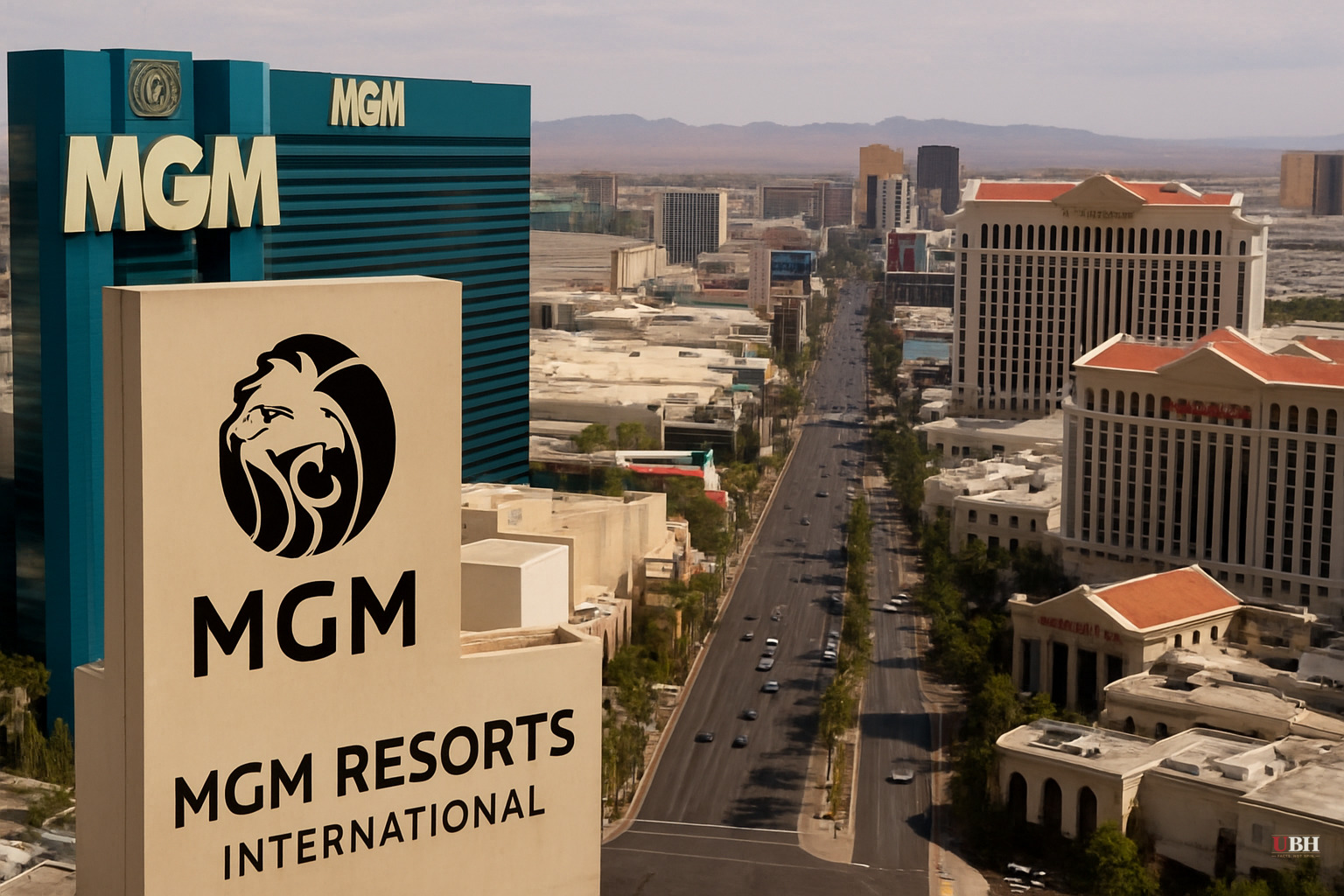
Since Barry Diller made his unsolicited $48.30-per-share bid for MGM Resorts International on June 1, the deal has quietly evolved from a public proposal into what the Wall Street Journal now describes as advanced talks. MGM shares rose nearly 3% in after-hours trading Friday, though the stock remains at roughly a 3% premium to the offer price. The market is pricing in only a modest probability of a deal getting done at this number, or a higher one.
What Diller Is Offering
Diller's vehicle, People Inc. (formerly IAC, Inc.), already owns approximately 26% of MGM, making it the company's largest single shareholder. The $48.30 per share offer values the remaining outstanding stock at roughly $12.4 billion, according to the Wall Street Journal. That represented an 11% premium over MGM's closing price the day before the offer landed in June.
Diller's stated rationale, spelled out in his June 1 press release, centers on an AI thesis: casino resort properties with real-world physical assets are among the few businesses he believes artificial intelligence cannot easily replicate or disrupt. He's been investing in MGM for nearly six years, per that release.
That argument has at least one reasonable counterpoint. As CDC Gaming noted, monthly iGaming revenue data from Michigan, New Jersey, and Pennsylvania shows internet casinos steadily gaining market share in those states. MGM operates well beyond Las Vegas, and those other jurisdictions arguably face more digital competition pressure than Diller's framing acknowledges.
The Conflict at the Center
The deal's structural problem is obvious. Diller sits on MGM's board of directors. People Inc. recently entered a governance agreement with MGM granting it the right to designate two MGM directors going forward. Diller is, in the words used by securities law firm Bleichmar Fonti & Auld LLP, "standing on both sides" of this transaction.
BFA announced on July 10 that it is investigating whether the proposed acquisition complies with Delaware law's requirements for resolving fiduciary conflicts when a director is also the buyer. Under Delaware corporate law, deals with this structure must go through a documented "cleansing" process. Typically this involves either a fully empowered special committee of independent directors or approval by a majority of disinterested shareholders to gain legal protection against fairness challenges.
MGM has formed a special board committee and retained advisers to evaluate the bid. Sources told the Wall Street Journal that the committee views the current offer as undervaluing the company.
BFA's investigation is an allegation, not a finding. No lawsuit has been filed, no charges exist, and the firm is at the stage of notifying shareholders and gathering information. Investigations of this type are common when insider-adjacent deals are announced; many never produce litigation.
The Strongest Case for Diller
To represent his position fairly: Diller has been a long-term, constructive shareholder, not a corporate raider. He built up a 26% stake over six years without triggering governance fights. His offer came with a stated commitment to MGM's existing management team, which he publicly called "superb." A buyer who already owns a quarter of the company and endorses current leadership is a materially different counterparty than a hostile acquirer looking to strip assets. Whether that translates into a fair price for remaining shareholders is a separate question, and one Delaware law will require the special committee to answer on the record.
Caesars Deal Running in Parallel
The MGM talks are happening against a backdrop of accelerating casino consolidation. Tilman Fertitta's Fertitta Entertainment agreed in late May to acquire Caesars Entertainment for approximately $31 per share in cash, assuming $12 billion in debt, for a total deal value of $17.6 billion, according to CDC Gaming.
Fertitta Entertainment executives Steven Scheinthal and Richard Liem appeared before the Nevada Gaming Control Board on July 8 to begin the regulatory approval process.
The Caesars deal included a go-shop period allowing Caesars to solicit competing offers. That window closes today, July 11. CDC Gaming reported that a potential counteroffer from Carl Icahn at $32 per share may or may not be on the table. This context is worth noting given that Icahn famously derailed Fertitta's 2019 attempt to buy Caesars by engineering the Eldorado Resorts acquisition instead.
If no superior bid emerges by end of day today, Fertitta's team said they intend to move forward with regulatory filings.
What Comes Next
For the MGM deal, the unresolved question is whether Diller raises his bid or whether MGM's special committee ultimately recommends the current $48.30 figure to shareholders. The Wall Street Journal reported discussions heated up this month but stressed no agreement is assured. If a deal is reached, it will face Nevada Gaming Control Board review, the same process Fertitta's team started July 8 for Caesars, adding months to any timeline before closing.
Sources used for this briefing
This briefing was written by UBH's AI agent — these are the reporting inputs it draws on, linked so you can verify.


