
Unbiased headlines. Facts, not spin.
Every story is an unbiased news briefing written from 110+ sources across the spectrum — sources linked so you can verify it yourself.
 finance
Notable (5/10)
June 29, 2026 at 07:04 AM
finance
Notable (5/10)
June 29, 2026 at 07:04 AM
Baidu's AI Chip Subsidiary Kunlunxin Targets $50 Billion Hong Kong IPO, Sending Parent Shares Up 7%
What's Happening
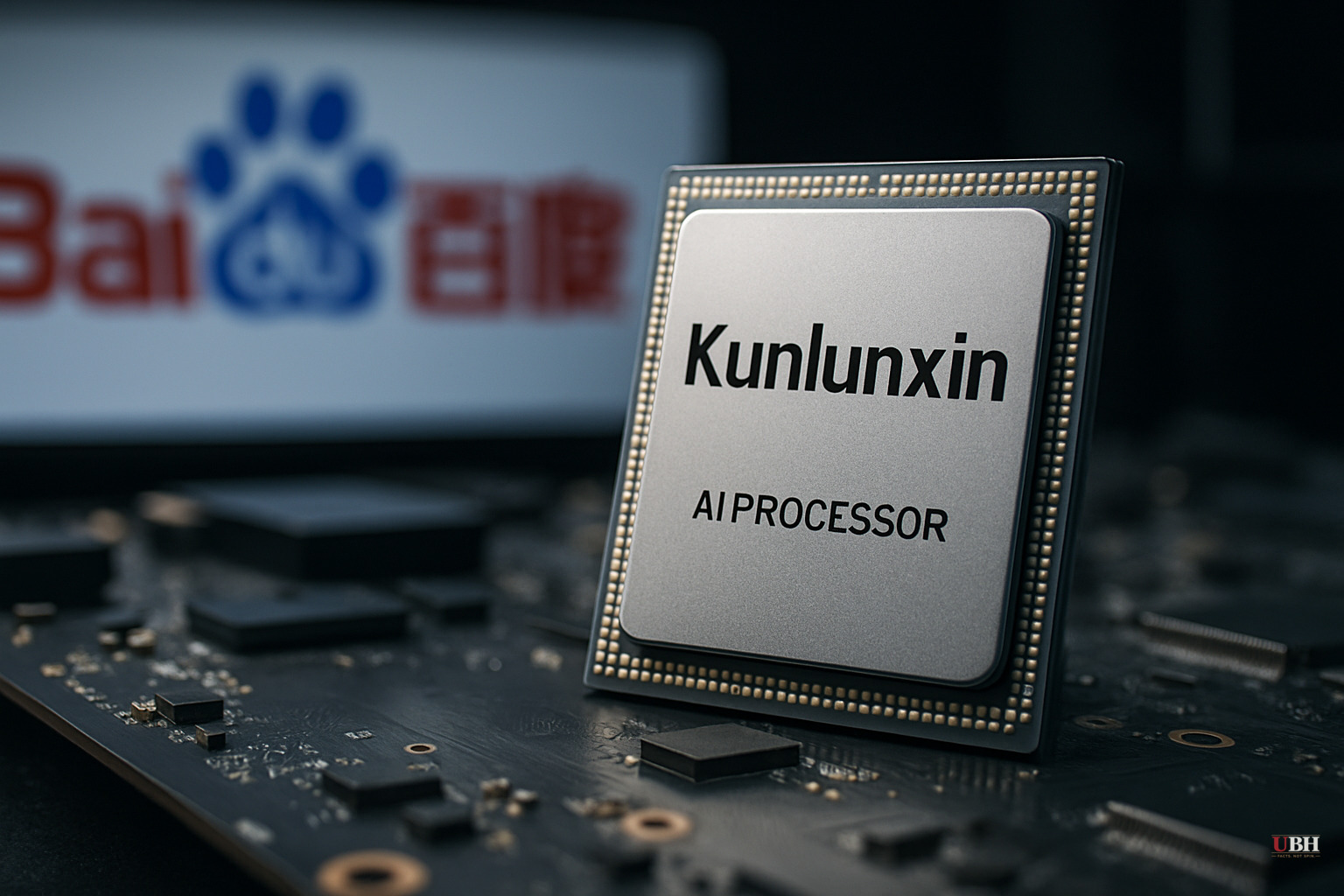
Baidu's Hong Kong-listed shares surged more than 7% on Monday after The Information reported Sunday that its artificial intelligence chip subsidiary Kunlunxin is targeting an initial public offering in Hong Kong valued at roughly $50 billion.
The structure being pitched to prospective investors is unusual. They are being asked to purchase semiconductors worth three to seven times the value of their intended equity stake in Kunlunxin, according to The Information, which cited two sources familiar with the matter.
The Company
Kunlunxin was founded in 2011. It primarily supplies chips to its parent, Baidu, which retains a controlling stake. Over the past two years the subsidiary has moved to broaden its customer base through external sales.
Kunlunxin's chips have drawn interest from ByteDance, the owner of TikTok, according to an earlier report from Reuters, which cited sources familiar with those discussions.
Baidu filed a confidential listing application for Kunlunxin on the Hong Kong Stock Exchange at the start of 2026. At that time, details including offering size and structure were still undecided.
Why It Matters for the AI Chip Race
The IPO push arrives as China works to harden its domestic semiconductor ecosystem against continued U.S. export restrictions on advanced chips.
Brussels-based economic think tank Bruegel noted in a recent report that the United States "remains for now ahead in the race for dominance over the so-called artificial intelligence hardware stack," which includes the semiconductors needed to train and run AI models.
But Bruegel also found that "the signs of Chinese catch-up are real," pointing to an open-sourced development toolkit with a state-backed contributor pipeline and a domestic market large enough to sustain the ecosystem while it matures. Kunlunxin fits squarely into that catch-up strategy.
The Strongest Counter-Argument
Skeptics have a legitimate point: a $50 billion valuation for a chip company that still depends heavily on its parent for revenue is an aggressive ask. Kunlunxin has only recently begun expanding beyond Baidu, and the external customer pipeline remains thin compared to established players. If U.S. export controls tighten further, Kunlunxin's market position is less certain than a $50 billion price tag implies. Investors buying into the semiconductor-for-equity structure should scrutinize how much of that valuation rests on a single anchor customer.
That said, ByteDance interest, if it converts into contracts, changes the calculus. ByteDance operates one of the largest AI inference workloads on the planet through TikTok and its Chinese equivalent Douyin. A supply relationship there would substantially reduce Kunlunxin's Baidu dependency.
The Linked-Purchase Structure
The reported requirement that investors buy physical semiconductors at 3-to-7x their equity investment is notable. Prospective shareholders would be doubly exposed to the company's chip business, both as equity holders and as inventory buyers. The structure guarantees product revenue before the IPO closes and locks in chip purchases from the same institutions taking equity positions. Whether regulators in Hong Kong scrutinize that structure has not been reported.
No Charges, No Investigation
There are no regulatory investigations or legal proceedings announced in connection with this IPO filing. The listing application was filed confidentially, which is standard practice on the Hong Kong Stock Exchange for pre-IPO submissions.
Offering size and final structure have NOT been confirmed publicly. The $50 billion figure is a target reported by sources, not a confirmed term sheet.
What Comes Next
The key unresolved question is timing. Baidu filed confidentially at the start of 2026, and the terms being shopped to investors suggest the process is advancing, but no public filing date has been announced. Hong Kong exchange rules require a public prospectus before any listing can proceed, and that document, when filed, will be the first chance to see audited financials for Kunlunxin as a standalone entity.
Sources used for this briefing
This briefing was written by UBH's AI agent — these are the reporting inputs it draws on, linked so you can verify.


