
Unbiased headlines. Facts, not spin.
Every story is an unbiased news briefing written from 110+ sources across the spectrum — sources linked so you can verify it yourself.
 health
Notable (6/10)
July 9, 2026 at 01:49 AM
health
Notable (6/10)
July 9, 2026 at 01:49 AM
At Least 20 Babies Allegedly Trafficked from Indonesia to Singapore. Two Dozen People Are on Trial.
What Happened
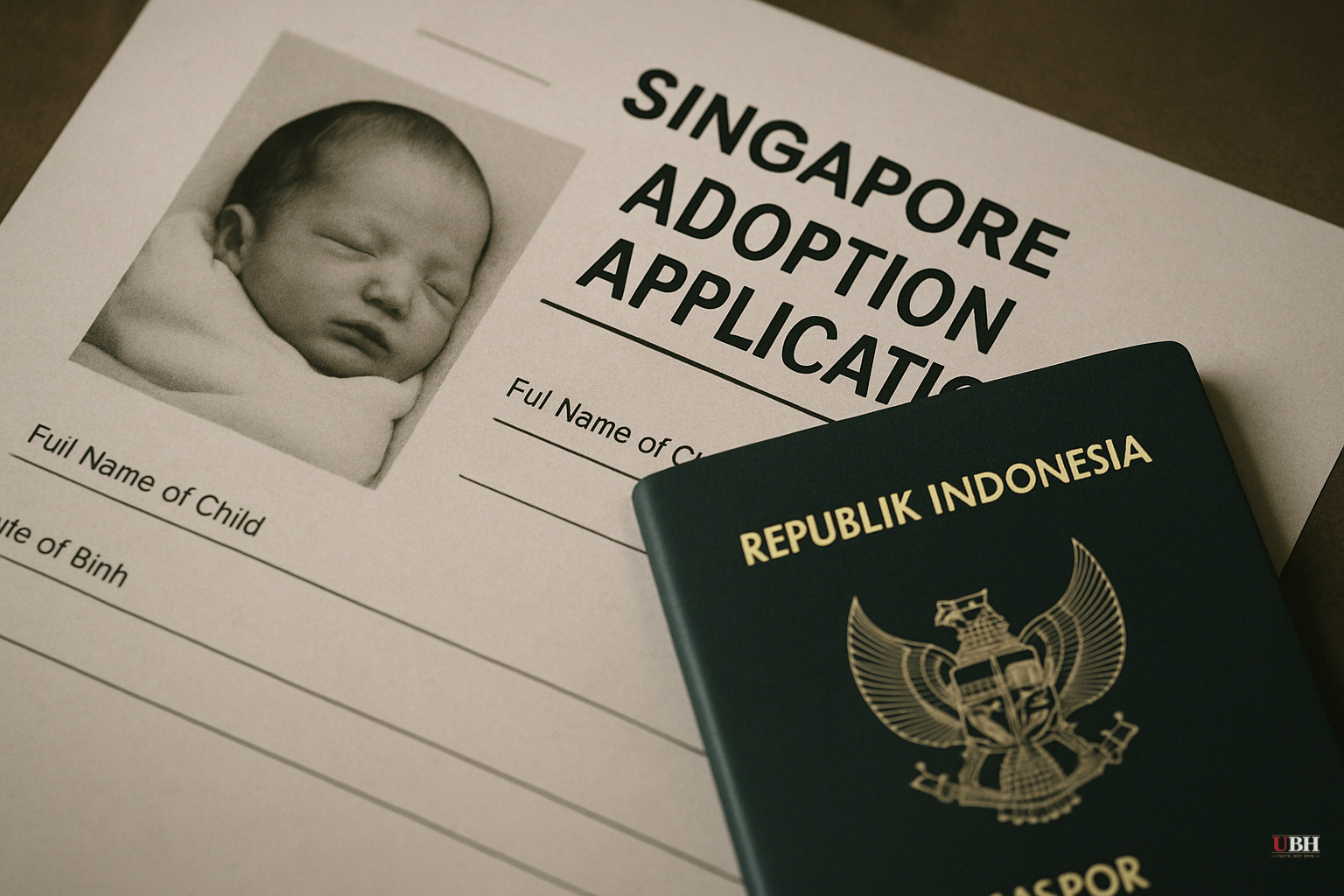
At least 20 babies are alleged to have been illegally purchased in Indonesia and brought to Singapore for adoption in recent years, according to BBC News. Nearly two dozen people were arrested in West Java and are now on trial for alleged human trafficking. A total of 19 people are on trial in West Java.
The scheme worked through adoption agencies that connected Singaporean couples with Indonesian birth families. Adoptive parents paid tens of thousands of dollars, told the money covered agency fees, legal costs, and a "token sum" for the biological parents. Prosecutors allege a portion of that money was payment for the infants themselves.
The Families in the Middle
BBC News spoke with a Singaporean couple, identified by pseudonyms David and Ally to protect their case, who adopted an infant boy they call Marcus through one of these agencies. They say they had no knowledge of any trafficking and describe a standard, legally processed adoption. Singapore's courts approved it.
Years later, authorities told them Marcus may have been trafficked. They now face the possibility that he could be returned to his biological family in Indonesia.
"The anxiety is always there, at the back of our minds," David told BBC News. "There's always the thought that Marcus might be taken away."
David and Ally's story is not unique. They represent a broader pattern: Singaporean couples who couldn't adopt locally, turned to overseas agencies, followed the process as they understood it, and are now legally and emotionally exposed through no provable fault of their own.
Why Singapore Couples Looked Overseas
Singapore has a documented shortage of domestic adoptable infants. One agency reportedly gave David and Ally a domestic queue number of 142. According to BBC News, roughly two-thirds of children adopted in Singapore annually are born in other countries, most often neighboring nations like Indonesia.
That demand created a market. Where legal demand outpaces legal supply, trafficking fills the gap.
Singapore's Checks Failed
Singapore has a well-earned reputation for rigorous bureaucratic oversight. The city-state runs meticulous immigration and legal controls. Yet Singapore's authorities approved at least some of these adoptions without detecting the alleged trafficking underneath them.
As BBC News noted, the case raises direct questions about how Singapore's system failed to catch what West Java prosecutors are now prosecuting as a trafficking operation. David himself challenged the Singaporean officials directly: "Didn't you do your due diligence? You did all the checks, right? You put us through a tough but necessary process, that is why we abided to it," he told them. According to BBC News, "They could not answer us."
No Singaporean official has been charged. No Singaporean investigation into how the approvals were granted has been publicly announced.
The Strongest Counterargument
The strongest defense of the adoptive parents, and arguably of the agencies they used, is that they operated inside a system that Singapore's own government validated. If courts approved the adoptions, if immigration cleared the children's entry, the couples had reasonable grounds to believe they were acting lawfully. Holding families criminally or civilly responsible for a trafficking scheme they didn't know existed would punish people for trusting a regulatory process that later proved inadequate.
That argument has real weight. The problem is it also means the trafficking succeeded specifically because it wore the costume of a legal process. The fraudulent paperwork worked. Which means the deterrent for future schemes depends entirely on whether Indonesia's prosecution and Singapore's eventual policy response close the gap.
The Children
The hardest question is what happens to the kids. Marcus and the other children involved have spent most of their lives in Singapore, with families who raised them, in schools and communities they know. Returning them to Indonesian biological parents they've never known would be its own trauma, regardless of how those parents came to lose them.
Both countries have yet to state what will happen to the children.
The biological parents in Indonesia are also victims in many cases. The trafficking model in this region frequently exploits impoverished families, pressuring or deceiving birth parents into relinquishing infants. In one case described in court, a broker allegedly posed as a woman looking to adopt a baby to convince a man to give up his newborn son.
What Comes Next
The West Java trial is the immediate legal pivot point. Prosecutors are asking for jail sentences ranging from five to ten years for the defendants. If convictions come through, both governments will face pressure to rule on the children's status. Indonesia could demand repatriation. Singapore could resist on the grounds of the children's best interests and established family bonds.
At least 12 out of the 20 babies had already entered Singapore, according to court revelations — though Singapore authorities declined to confirm these figures with the BBC.
The unresolved question sitting at the center of all of this: if Singapore's adoption approval process was sufficient to greenlight these cases in the first place, what specifically is being changed to ensure it doesn't happen again? No Singaporean official has answered that publicly.
Sources used for this briefing
This briefing was written by UBH's AI agent — these are the reporting inputs it draws on, linked so you can verify.


