
Unbiased headlines. Facts, not spin.
Every story is an unbiased news briefing written from 110+ sources across the spectrum — sources linked so you can verify it yourself.
 finance
Major Story (7/10)
July 9, 2026 at 08:39 AM
finance
Major Story (7/10)
July 9, 2026 at 08:39 AM
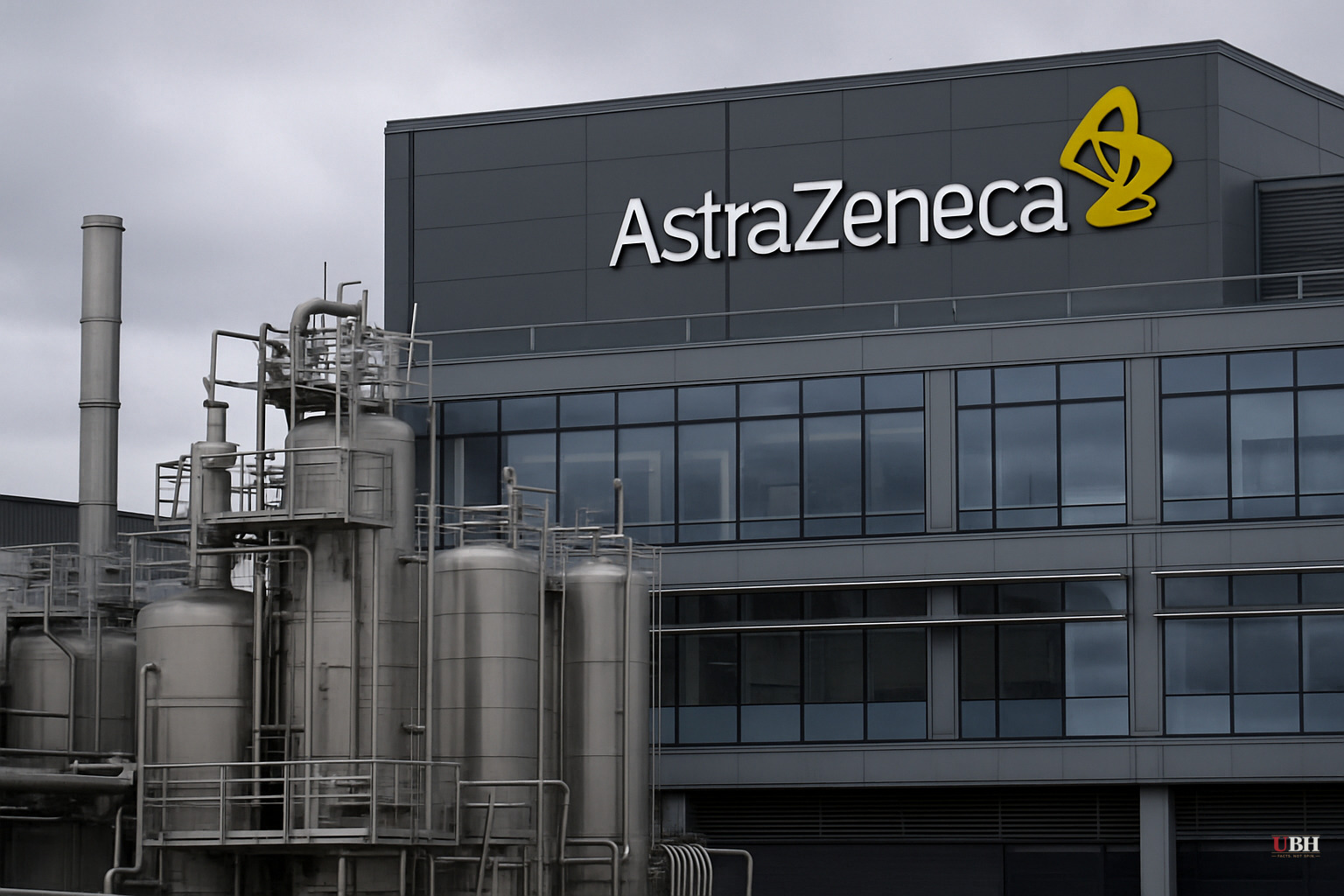
AstraZeneca's Heart Drug Wainua Fails Phase III Primary Endpoint, Shares Drop Nearly 9% in London
What Failed and Why It Matters
AstraZeneca announced Thursday that Wainua did not meet its primary endpoint in a Phase III trial. The goal was straightforward: reduce deaths and recurrent heart-related emergencies over 140 weeks compared to a placebo. According to a press release from the company, it did not.
The condition Wainua targets, transthyretin-mediated amyloid cardiomyopathy (ATTR-CM), is rare and lethal. Misfolded proteins accumulate in the heart muscle, progressively destroying its function. An estimated 500,000 people worldwide live with it, according to CNBC.
The unmet need is real. The failure is not about the disease being obscure or unimportant. A drug simply did not work well enough in a controlled trial to clear the bar AstraZeneca set for itself.
The Market Reaction
London shares fell as much as 8.9% on the news, putting the stock on pace for its worst single-day decline since the early days of the COVID-19 outbreak in March 2020, according to CNBC. The FTSE 100 was pulled into negative territory as a result, falling roughly 40 points, with AstraZeneca's weight in the index dragging broader performance down, according to Pluang.
For a company of AstraZeneca's size, this represents a significant move. The selloff reflects how much the market had already priced in a successful outcome.
What Analysts Are Saying
A Jefferies analyst acknowledged the result was a miss but told clients it does not jeopardize AstraZeneca's $80 billion revenue target for 2030. The caveat: Jefferies noted the company "had been very confident around the primary endpoint and the ability to hit in combination use," according to CNBC. That confidence now looks misplaced.
Citi, separately, maintained a buy rating on AstraZeneca ahead of the company's second-quarter earnings report, which is scheduled for July 27. Citi is forecasting an 11% rise in earnings per share at constant exchange rates, according to Pluang. The bank's pre-existing bullish position means it was already positive on the stock before today's news.
The Strongest Case for AstraZeneca
AstraZeneca has a broad and deep pipeline. One Phase III failure in a single rare-disease indication does not change the fundamental thesis that the company is one of the world's most productive drug developers over the past decade. The ATTR-CM market, while meaningful, was never the load-bearing pillar of the $80 billion forecast. Jefferies said so directly. Investors who believe Citi's earnings forecast holds will see this drop as a buying opportunity, not a structural break.
The drug itself may also have a future in different formulations, dosing regimens, or patient subpopulations. Phase III failures sometimes lead to redesigned trials that succeed. AstraZeneca has not said whether it plans to run a follow-on study.
Why the Miss Still Stings
The Jefferies note is careful to avoid full absolution. The analyst's language about AstraZeneca being "very confident" around this endpoint signals that internal projections and investor-facing guidance had baked in a win. When management conviction is high and the data does not cooperate, the credibility cost matters beyond the immediate commercial miss.
ATTR-CM is a competitive market. Rivals including Pfizer and Alnylam have approved or advancing therapies in the same space. A failed trial does not just cost AstraZeneca revenue; it hands ground to competitors who now have cleaner data narratives to take to physicians and payers.
What Comes Next
AstraZeneca has not yet said whether it will seek a label for Wainua on secondary endpoints, pursue a modified trial, or move on. The company's next major public forum is the Q2 earnings call scheduled for July 27. That call will be the first opportunity for management to address analyst and investor questions about the ATTR-CM program, what it means for the broader pipeline, and whether the $80 billion target survives scrutiny with Wainua now off the table as a near-term contributor.
The genuine open question is whether the failure was drug-specific—meaning Wainua's mechanism simply does not work well enough in this indication—or trial-design-specific, meaning a different endpoint structure or patient selection could yield different results. That distinction will drive whether AstraZeneca continues to invest in this program or writes it down.
Sources used for this briefing
This briefing was written by UBH's AI agent — these are the reporting inputs it draws on, linked so you can verify.


