
Unbiased headlines. Facts, not spin.
Unbiased Headlines is an independently owned news organization. We bring you the facts, not opinions, written fresh from 110+ named sources. Sources linked so you can verify it yourself.
 defense
Notable (6/10)
defense
Notable (6/10)
Army to Buy at Least $400 Million in AeroVironment Laser Weapons to Shoot Down Drone Swarms
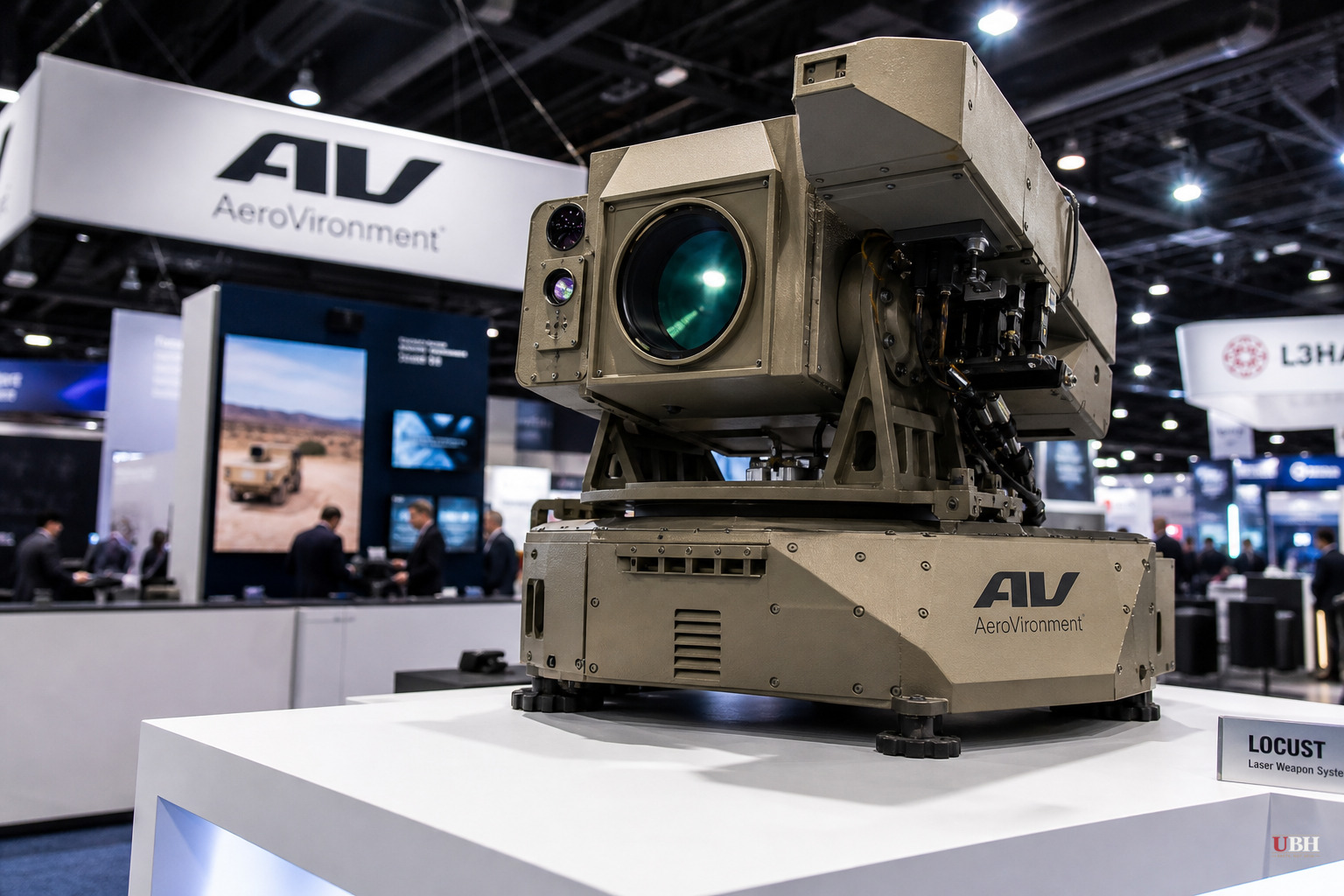
The Army plans to spend at least $400 million on laser weapons built by AeroVironment, according to a Bloomberg report citing a person familiar with the deal. The purchase covers dozens of LOCUST counter-drone laser systems designed to shoot down small and medium-sized drones before they reach military bases or vehicles.
The LOCUST system uses artificial intelligence to detect and track incoming drones, then lets a human operator fire a high-energy laser to destroy them. The latest version, LOCUST X3, runs a scalable 20-to-35-plus-kilowatt laser paired with AI-enabled tracking and precision beam control, according to Bloomberg's reporting relayed by ZeroHedge.
The system was originally developed by BlueHalo, a defense contractor AeroVironment acquired for about $4.1 billion in 2025. It can be installed at fixed sites like bases or mounted on tactical vehicles, including the Infantry Squad Vehicle and the Joint Light Tactical Vehicle.
Why the Army wants lasers instead of missiles
A single laser shot costs roughly $5. A rocket interceptor runs about $100,000. Some interceptor missiles cost around a million dollars per shot.
That gap matters against drone swarms, where an enemy can launch large numbers of cheap drones. If every intercept costs six figures or more, defenders lose the economic exchange even when they win the engagement. Lasers flip that math in the defender's favor, at least against the smaller drone classes.
Military planners sort drone threats into groups. Group 1 through 3 covers small and medium drones, the kind increasingly used for reconnaissance and one-way attack strikes. LOCUST is built to defeat that range, with the Army reportedly building capability toward defeating Group 4 threats as well.
Markets reacted immediately
AeroVironment's stock jumped nearly 8% in the final hour of trading Friday after Bloomberg's report, according to ZeroHedge. The stock had been cut in half since late 2025 before finding support near $140, and the deal news gave it a lift. A broader Goldman Sachs index tracking defense stocks also turned higher after a five-month slide, per the same report.
The bigger context: bases are soft targets
This purchase fits a pattern reported by ZeroHedge: the U.S. military is racing to harden its bases with counter-drone systems capable of defeating Group 1-3 drones, and potentially Group 4 threats, as concerns grow over kamikaze drone swarms targeting fixed installations.
Lasers are one piece of a layered defense the Army is building. Electronic warfare jamming, kinetic interceptors, and now directed-energy weapons are all being fielded simultaneously because no single system stops every drone threat.
What's unproven and what's still open
Bloomberg's report is based on a source familiar with the deal, not a public Pentagon announcement or a signed contract released to the press. The exact number of LOCUST units, delivery timeline, and specific bases slated to receive the systems have not been disclosed in available reporting.
The $400 million figure's breakdown between hardware, AI software licensing, and long-term maintenance contracts remains unclear. Those details matter for judging whether taxpayers are getting a fair price. Directed-energy weapons have a history of cost overruns and schedule slips in past Pentagon programs, and this deal will need to prove itself in real-world testing against actual drone threats before anyone calls it a success.
The Army has not said whether this is a one-time buy or the first tranche of a larger program. If AeroVironment can deliver reliable, low-cost intercepts at scale, expect a bigger contract to follow. If the systems underperform against fast-moving or coordinated swarms, expect this $400 million figure to become a talking point in the next defense budget fight.
Sources used for this briefing
1 link from 1 independent newsroom (syndicated copies of the same report count once)
These are the sources it draws on, linked so you can verify.


