
Unbiased headlines. Facts, not spin.
Every story is an unbiased news briefing written from 110+ sources across the spectrum — sources linked so you can verify it yourself.
 finance
Notable (6/10)
July 7, 2026 at 10:21 AM
finance
Notable (6/10)
July 7, 2026 at 10:21 AM
Arabica Coffee Futures Surged 18.5% Monday, the Largest Single-Session Gain Since July 2000
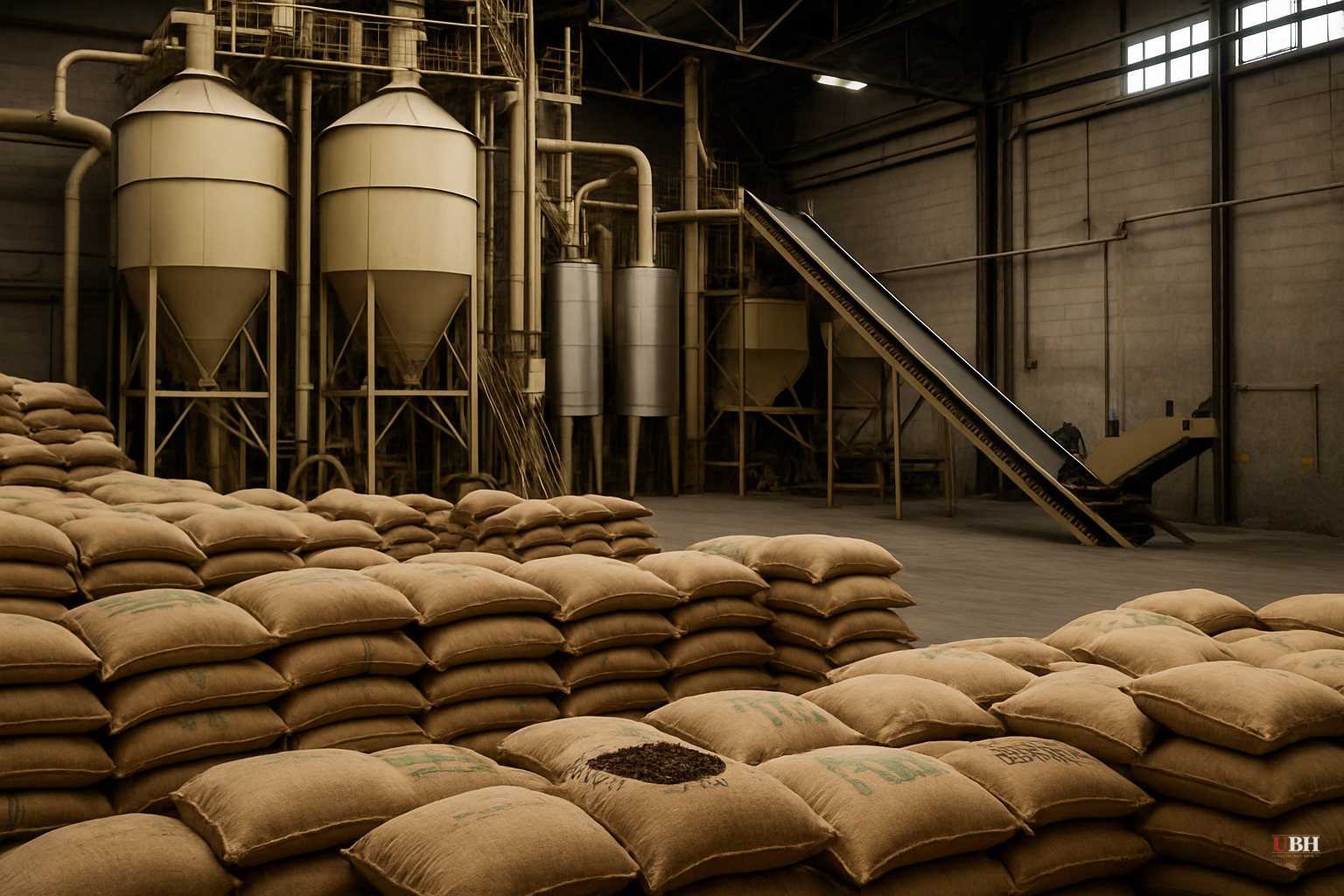
Arabica coffee futures surged as much as 18.5% on Monday, reaching $3.57 a pound on the New York Intercontinental Exchange. According to Bloomberg, that was the largest single-session gain since July 18, 2000, when dot-com-era volatility was still rattling commodity markets.
The price is now at its highest since January.
Two Forces Collided at Once
The move had both a fundamental story and a mechanical one, and they fed each other.
On the fundamental side: traders had entered the season expecting a large Brazilian crop, but persistent rains slowed the harvest. Brazilian growers are reportedly holding back sales, waiting for better prices, which reduced near-term supply further. Arabica inventories in exchange-monitored warehouses have fallen to their lowest levels since March 2024, according to Bloomberg.
On the mechanical side: the ICE raised margin requirements last week as prices climbed. Higher margin costs force traders who bet against the market, short sellers, to either post more capital or close their positions. When shorts close, they buy contracts to exit, which pushes prices higher still.
Judy Ganes, president of J. Ganes Consulting, described Monday's move to Bloomberg directly: "This move is just one of those fear days and people covering. But it's hard to justify it fundamentally."
Ganes was describing a market professional's view that the price spike was substantially mechanical rather than a reflection of a supply crisis already in progress.
El Niño Is the Wild Card
The concern is what comes next. Marco Antonio dos Santos, meteorologist at Rural Clima, told Bloomberg that rain is forecast across a large part of Brazil in mid-July. He called it "detrimental" to crops, including coffee. "This is directly linked to El Niño, which has been gaining strength week after week," dos Santos said.
El Niño weather patterns have been tightening supply across multiple soft commodities simultaneously. Sugar, rice, and cocoa have all rallied in the same cycle. Coffee is not a standalone story.
The Opposing Read, Fairly Stated
There is a legitimate counterargument to treating this as a supply-crisis signal. Commodity markets regularly overshoot on fear, particularly when margin calls force involuntary exits that have nothing to do with actual supply and demand. Ganes said the fundamental justification for Monday's level is thin. Brazilian harvests, while slower than expected, are not reported as failed crops. Exchange warehouse levels are low but not at historic extremes. Traders who shorted the market based on optimistic crop forecasts may have simply misjudged the timing, not the outcome. Some portion of Monday's price is almost certainly a short squeeze that will partially unwind once the margin-driven exits clear.
This view does not require dismissing the El Niño risk. It suggests instead that the market priced several months of uncertainty into a single Monday session.
What It Costs at the Consumer Level
Arabica is the bean in most premium and specialty coffee sold in the U.S. A sustained move above $3.50 a pound at the futures level historically flows through to retail prices over a period of months, as roasters and retailers work through existing inventory contracts before resetting prices.
For consumers, the more relevant question is whether this rally holds. If July rains in Brazil hit coffee-growing regions hard and the El Niño forecast from Rural Clima proves accurate, the fundamental picture tightens and the price could have legs. If the rains pass and the Brazilian crop recovers on schedule, Monday's spike looks more like a short squeeze than a structural shift.
The ICE margin requirements that triggered the squeeze remain elevated, which means the cost of maintaining a short position in coffee is still high. That keeps downward pressure on bears and leaves the market vulnerable to additional squeezes if weather data deteriorates further.
The mid-July rain forecast from Rural Clima is the next concrete data point traders will be watching.
Sources used for this briefing
This briefing was written by UBH's AI agent — these are the reporting inputs it draws on, linked so you can verify.


