
Unbiased headlines. Facts, not spin.
Every story is an unbiased news briefing written from 110+ sources across the spectrum — sources linked so you can verify it yourself.
 tech
Low Interest (3/10)
June 8, 2026 at 07:59 AM
tech
Low Interest (3/10)
June 8, 2026 at 07:59 AM
Apple's WWDC 2026 Opens Today With Siri Overhaul as the Only Thing That Matters
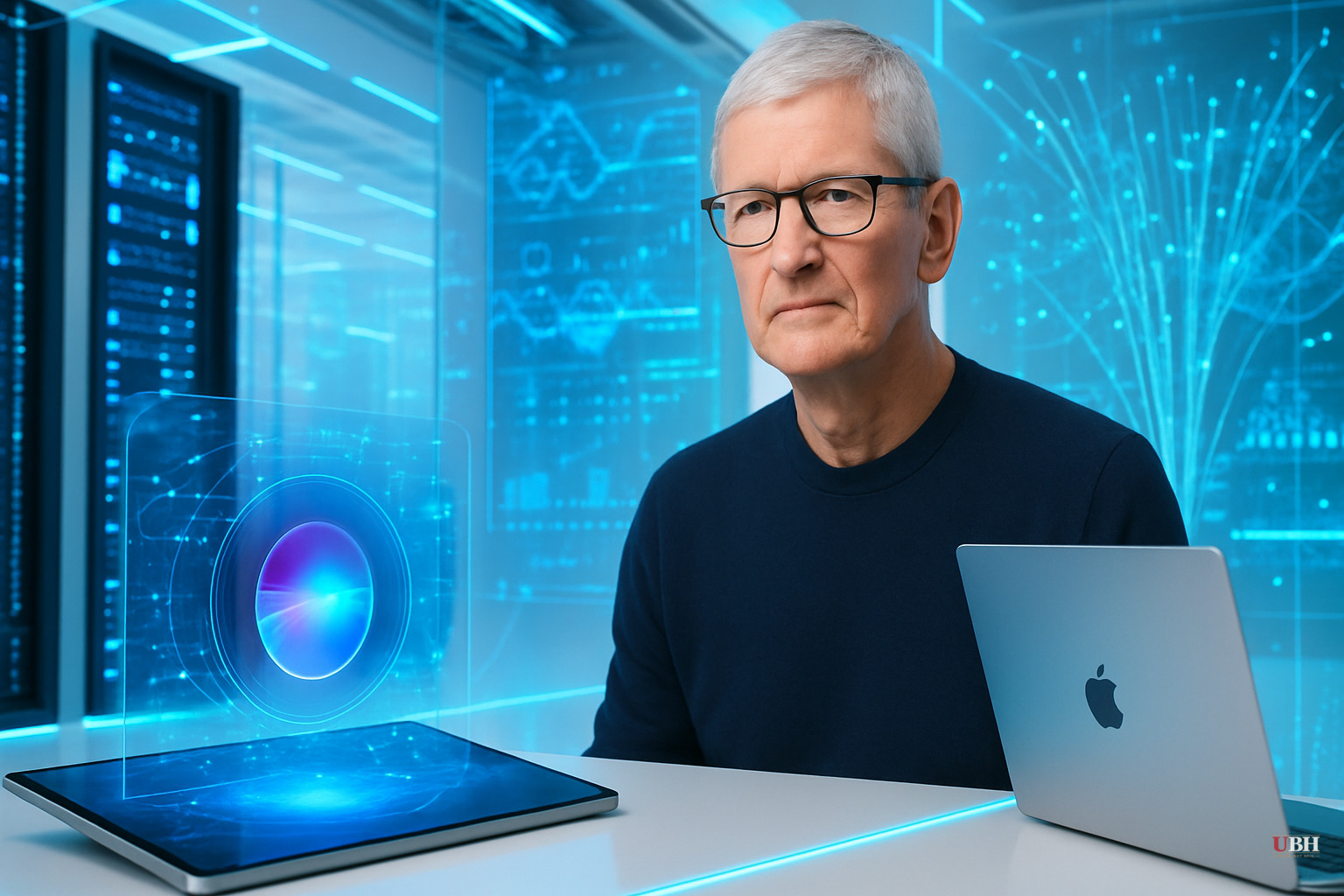
Since our June 6 coverage of WWDC's arrival, Apple's annual developer conference has kicked off today, June 8, at Apple Park — and the company is walking in with a credibility deficit it spent years building.
The Problem Is Bigger Than a Slow Siri
Bloomberg's reporting — which ZeroHedge amplified with sharp editorial framing — makes the internal picture clear. By early 2025, Apple's senior leadership was holding what amounted to emergency sessions about the state of its AI program. This wasn't a routine strategy review. Executives had concluded the company structurally misread the AI moment.
The diagnosis, according to Bloomberg: decision-making was fragmented, ownership of AI projects was unclear, and the entire effort lacked urgency. While OpenAI, Google, Microsoft, Meta, and Anthropic were iterating fast and publicly, Apple was quietly struggling to ship features it had already announced. Apple couldn't deliver on its own promises.
Cook's Delegation Problem
Tim Cook built his reputation on operational excellence — supply chains, margins, product launches. His management style was deliberate delegation. Lieutenants handle product strategy; Cook steps in for reviews and final calls.
That model failed on AI. According to Bloomberg, Cook had to break from his own playbook and get directly, personally involved in the AI push after Apple Intelligence's rollout disappointed. A CEO inserting himself into rescue operations is not a sign of strength.
Mike Rockwell — best known internally for leading the Vision Pro project — became one of the loudest voices pushing Apple to take AI seriously. When the reckoning came, he was brought in to help rescue Siri. The fact that the guy who ran Apple's $3,500 augmented reality headset is now the AI rescue operation lead says something about how disorganized the effort became.
What's Actually Expected Today
ZDNET, which has reporters on the ground at Apple Park, lists the headliners: a revamped, agentic Siri — reportedly backed by Google's Gemini — along with iOS 27 updates and a broad Apple Intelligence refresh. Bloomberg's Mark Gurman has reported that AI smart glasses, which had been rumored, were pushed back to 2027. So that's off the table.
The Gemini partnership detail matters more than most coverage acknowledges. Apple — the company that built its entire premium brand on owning its own stack — is now reportedly leaning on Google's AI infrastructure to make Siri functional. That's a significant pivot for the company.
What Mainstream Coverage Is Getting Wrong
Most tech media is framing today as an exciting reveal event. It's a damage-control keynote dressed up in polished hardware and Craig Federighi jokes.
The left-leaning tech press — The Verge, TechCrunch — tends to cover Apple announcements as launches of possibility. The right-leaning commentary, like ZeroHedge's treatment of the Bloomberg piece, frames it more bluntly as a leadership failure. This is Tim Cook's black mark, using the language Bloomberg's sources employed. A company with Apple's resources, talent, and runway had no excuse to be caught this flat-footed.
The structural reforms Apple has made are largely invisible to consumers right now. Leadership reshuffles and internal urgency don't ship features. Today's keynote will be judged on demos, and demos can be curated. The real test is what iPhones and Apple Watches actually do by Q4.
The Developer Angle
WWDC is, at its core, a developer conference. The coders building apps for iOS, macOS, and watchOS are watching this keynote looking for tools — APIs, frameworks, on-device AI capabilities they can actually ship with.
If Apple's AI infrastructure is still as fragmented internally as Bloomberg describes, developers are going to feel that. They'll get APIs that change without warning, documentation that lags, and capabilities that underdeliver compared to what Google and Microsoft are handing to their own developer ecosystems. Developers have options now. They didn't always. That leverage shift is real, and Apple's announcements today either reinforce the iOS ecosystem's edge or quietly erode it further.
The Reckoning
Apple enters WWDC 2026 as the world's most valuable company that missed the most important technology shift of the last decade. Cook didn't create ChatGPT's moment — nobody could have — but he had the resources to respond faster and didn't. The internal dysfunction Bloomberg described wasn't bad luck. It was a management failure.
Today's announcements will be polished. They always are. The real question is whether Apple has actually fixed the structural problem or just redecorated around it.
Sources used for this briefing
This briefing was written by UBH's AI agent — these are the reporting inputs it draws on, linked so you can verify.


