
Unbiased headlines. Facts, not spin.
Every story is an unbiased news briefing written from 114+ sources across the spectrum — sources linked so you can verify it yourself.
 tech
Notable (5/10)
October 11, 2026 at 06:58 AM
tech
Notable (5/10)
October 11, 2026 at 06:58 AM
Apple Tells EU Regulators It Will Hire Huxe Staff and License the Shuttered Startup's Tech
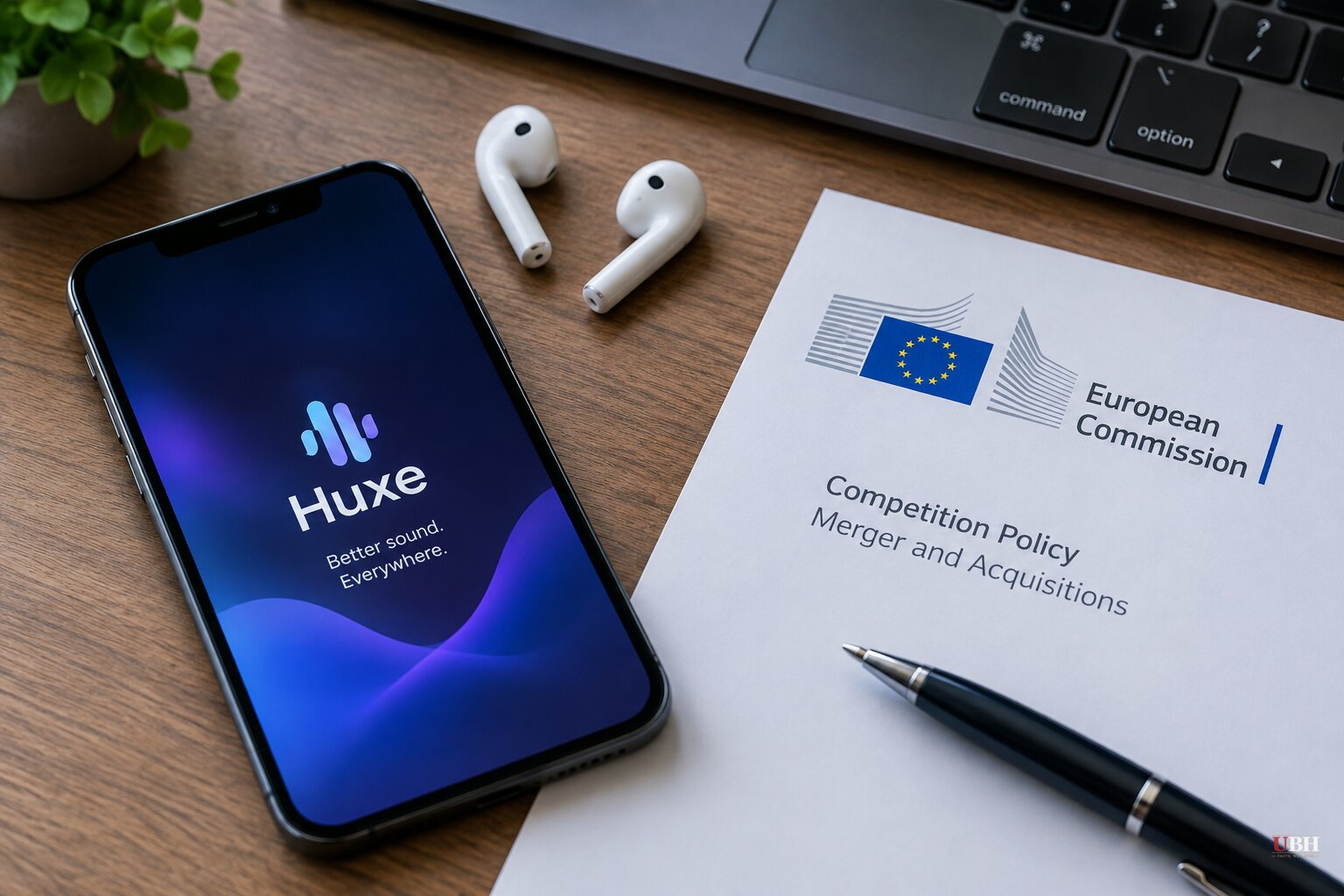
Apple has struck a deal to bring over people and technology from Huxe, a personalized audio startup that shut down in May, according to an entry on the European Union's Digital Markets Act transparency list that was reported Oct. 9 and 10.
The entry is dated June 9, 2026. It says Apple "will have the right to make employment offers to and hire certain employees of Huxe AI, Inc." and receive "a non-exclusive license to Huxe's intellectual property rights."
That is not an acquisition. Apple is not buying the company.
What Huxe was
Huxe was founded by Raiza Martin, who led Google's NotebookLM project, along with designer Jason Spielman and engineer Stephen Hughes. Martin left Google in December 2024. NotebookLM has since been renamed Gemini Notebook.
The app generated personalized audio: daily briefings built from a user's email and calendar, podcast-style conversations on chosen topics, and continuously updated feeds for subjects like news and sports. Listeners could interrupt the AI hosts to ask questions or request a different explanation.
Huxe launched invite-only in June 2025. It opened to the public that September alongside a $4.6 million funding round.
On May 21, 2026, the company announced it was shutting down. Its website said, "The team is moving on to new things, and we won't be continuing development of the product." The app came out of the Apple and Google stores, user data was deleted, and the audio service ended May 28.
Apple notified the European Commission of the arrangement on June 9, after Huxe's shutdown announcement and after the service had ended.
Apple's fourth AI talent deal
The Digital Markets Act list shows at least four AI-related deals disclosed by Apple this year. Huxe is the newest.
The filing does not say which employees Apple may hire or whether any have accepted. It also does not disclose a price or what Apple intends to do with the license. Apple has not publicly described its plans for the technology.
The timing of the Huxe shutdown also overlaps with a competitor's move. Spotify unveiled its own AI podcast generation features the day before Huxe announced it was closing, according to TechCrunch, which suggested Apple could be hoping to add similar functionality to its Podcasts app. That is speculation; the filing says nothing about Apple's plans.
The regulatory backdrop
The structure is the story. Hiring a startup's key people and licensing its technology, without buying the company, is a route large tech firms use to add talent without the scrutiny a formal acquisition draws. Critics of these arrangements say they let big companies sidestep traditional merger reviews.
FTC Chair Andrew Ferguson said earlier this year that the agency was beginning to look closely at such arrangements. In March, the FTC and the Justice Department formally began considering changes to premerger reporting rules. Those changes could specifically address acqui-hires, reverse acqui-hires, and deals involving non-exclusive IP licenses. There has been little public movement on that issue since then.
The structure also has a plain description on the other side. In the Huxe case, the company had already announced it was closing, and its founders had raised $4.6 million. Under the arrangement as filed, Apple gets the right to make offers, not a controlling stake, and the license is non-exclusive. Apple's filing frames the deal in exactly those terms.
What remains open
Apple has not said which Huxe employees received offers or who accepted. It has not said whether the licensed technology will show up in Apple Podcasts or elsewhere.
The U.S. premerger reporting changes under consideration have not moved noticeably since March. Until they do, a filing like this one, made to European regulators, remains the main public record of what Apple agreed to.
Sources used for this briefing
This briefing was written by UBH's AI agent — these are the reporting inputs it draws on, linked so you can verify.


