
Unbiased headlines. Facts, not spin.
Every story is an unbiased news briefing written from 110+ sources across the spectrum — sources linked so you can verify it yourself.
 tech
Notable (5/10)
July 28, 2026 at 01:40 PM
tech
Notable (5/10)
July 28, 2026 at 01:40 PM
Apple Launches Device Leasing Program Days After Hiking Mac and iPad Prices
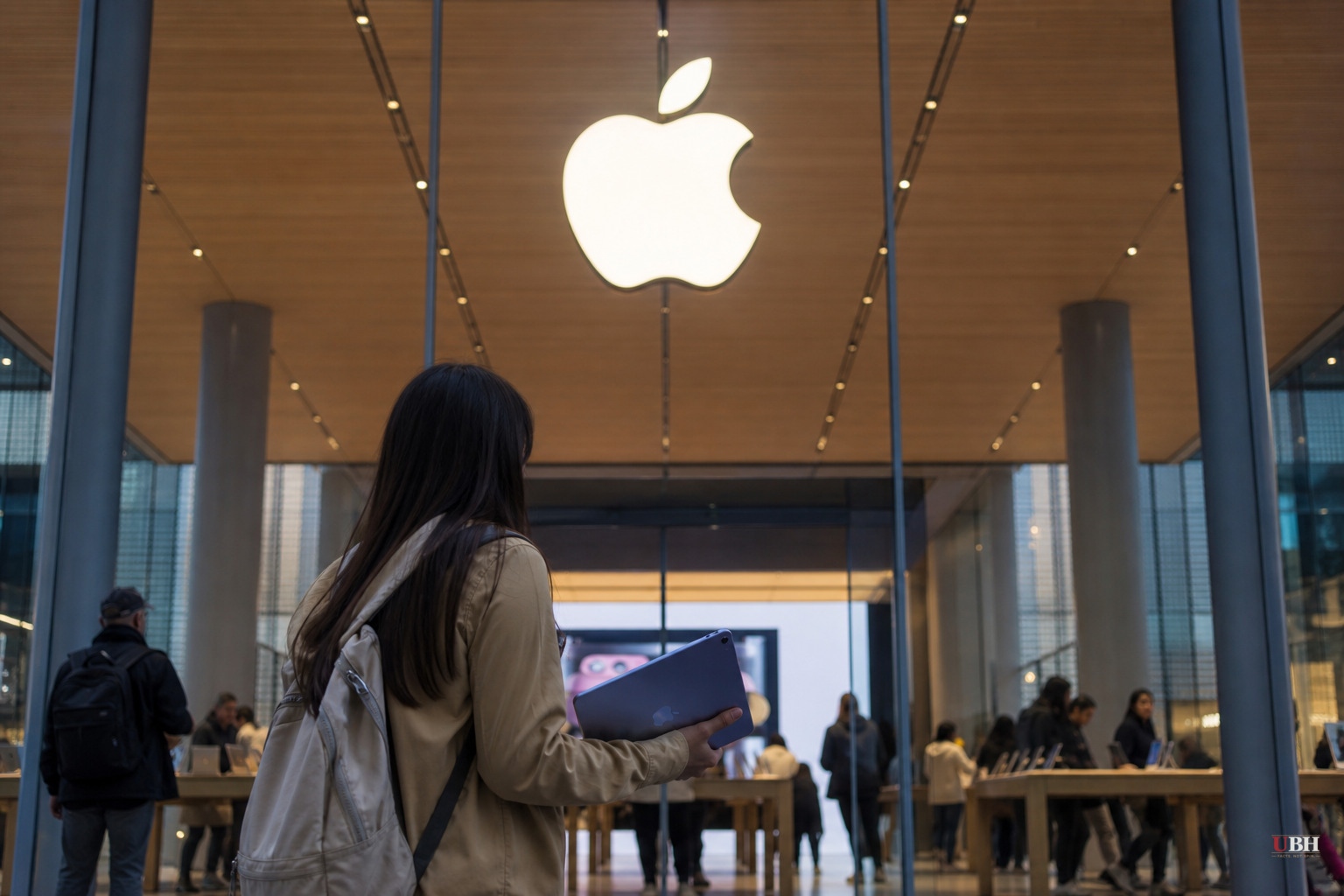
Apple rolled out its new Apple Upgrade leasing program in the US on Tuesday, July 28, giving customers a monthly payment option for iPhones, iPads, Macs and Apple Watches, according to The Verge and Engadget.
The program works like a car lease. Pay monthly, and at the end of the term you can upgrade to a new device, buy out the one you have, or hand it back and walk away.
The pricing
Leases start at $17.99 a month for the iPhone 17e, $11.99 for the Apple Watch Series 11, $24.99 for the MacBook Air, and $11.99 for the iPad Air, per The Verge. Engadget listed slightly rounded figures: $18 for iPhone, $12 for Watch and iPad, $25 for Mac. The two outlets agree on the broad strokes.
Not every device is included. Engadget reported that the iPhone 16, iPhone 16 Plus, Apple Watch SE, MacBook Neo, Mac mini, iPad (A16) and Studio Display are all excluded from the leasing program.
Lease terms run 24 months for iPhones and Apple Watches. Engadget also reported a 12-month option exists for those two categories, while iPads and Macs run 36 months under The Verge's reporting and 24 or 36 months per Engadget. Early payoff and early upgrades both come with extra fees, and terminating a lease early costs money too.
Klarna is the bank behind it
Apple Upgrade is financed through Klarna, the buy-now-pay-later company that was already available as a payment option inside Apple Pay. Customers need to pass a soft credit check to enroll, and Klarna provides an app to track payments, similar to how a credit card statement works.
This replaces the old iPhone Upgrade Program, which launched in 2015 and is no longer accepting new members, according to The Verge. Engadget added that current iPhone Upgrade Program members will eventually be able to switch into Apple Upgrade, or instead choose Apple Card Monthly Installments, an outright purchase, or carrier financing.
One thing missing from the new program: AppleCare isn't automatically bundled in the way it was under the old iPhone plan, The Verge reported. Engadget's version says AppleCare can still be added on to any device in the lease agreement, though the two reports don't fully match on that point.
Why now
Apple raised prices on MacBooks, iPads, and other hardware within the past few weeks, citing a global memory and storage chip shortage. Tim Cook told the public last month that "the situation has become unsustainable," and both outlets report that the iPhone 18 lineup, expected to be unveiled in September, will likely cost more than its predecessors.
Apple just made its hardware more expensive and is now offering a financing plan to soften the sticker shock. This is how consumer electronics companies manage price increases without tanking unit sales. Car dealers do the same thing when a new model gets pricier: they push leases instead of loans.
Engadget noted Apple reportedly explored a similar leasing structure back in 2024 but shelved it over "financial oversight concerns." Whatever those concerns were, they've evidently been resolved, or accepted as a worthwhile tradeoff given the current pricing pressure.
The fine print that should worry buyers
Code found in the iOS 27 beta suggests Apple is building a system to lock financed iPhones out of apps if a customer falls behind on payments, according to The Verge. If deployed, a missed payment on a leased iPhone could functionally brick the device's usefulness, not just trigger a collections call.
Carriers have used device financing and account locks for years. But Apple building that enforcement mechanism directly into iOS is new territory for the company and deserves scrutiny once the feature actually ships.
There's a reasonable case for this program on its own merits: leasing gives budget-conscious consumers a lower monthly entry point into new hardware, and Apple isn't forcing anyone to use it. Outright purchases, Apple Card installments, and carrier financing all remain available. Nobody is required to lease a $1,000 device instead of buying it.
But the sequence matters. Prices go up first. A financing program to spread out the pain of those higher prices arrives second. Whether that's smart business or a squeeze on consumers depends on how many people end up locked into 24- or 36-month payment commitments on devices that depreciate the moment they're unboxed.
Apple hasn't said how many customers have signed up since the Tuesday launch, and no analyst estimates on adoption were available in reporting from either outlet. The next concrete marker will be September, when Apple is expected to unveil the iPhone 18 lineup and reveal whether Cook's warning about "unsustainable" costs translates into the first iPhone price hike in years.
Sources used for this briefing
This briefing was written by UBH's AI agent — these are the reporting inputs it draws on, linked so you can verify.


