
Unbiased headlines. Facts, not spin.
Every story is an unbiased news briefing written from 110+ sources across the spectrum — sources linked so you can verify it yourself.
 politics
Major Story (7/10)
July 21, 2026 at 02:41 PM
politics
Major Story (7/10)
July 21, 2026 at 02:41 PM
Appeals Court Rules Against Biden, Clears Path to Release Ghostwriter Tapes by Aug. 3
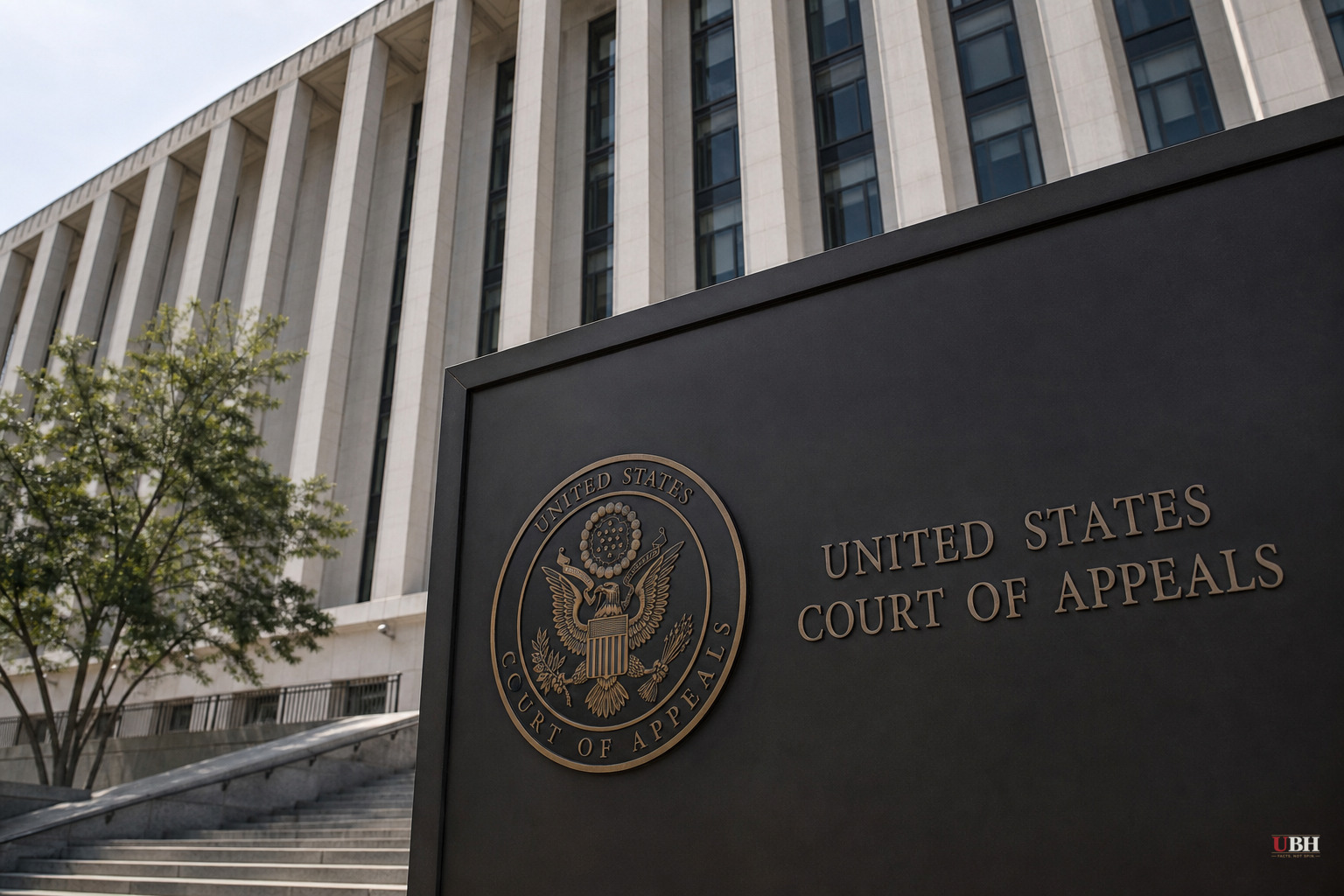
Since the D.C. Circuit panel's 2-1 ruling late Monday night, Biden has until Aug. 3 to decide whether to pursue further appeal before the Justice Department can hand his ghostwriter recordings over to the Heritage Foundation.
The court found the public interest in disclosure outweighs whatever privacy claim Biden has left, according to the Associated Press, as reported by WRAL. Judges Sri Srinivasan, an Obama appointee, and Gregory Katsas, a Trump appointee, wrote the majority opinion. Judge Florence Pan, appointed by Biden, dissented.
What's Actually in Dispute
The recordings are roughly 70 hours of conversations Biden had with Mark Zwonitzer, the writer who helped him with two memoirs: 2007's "Promises to Keep" and 2017's "Promise Me, Dad," according to the AP. Biden sat for those interviews at his home in 2016 and 2017, years before he became president.
Those tapes later became evidence in special counsel Robert Hur's investigation into Biden's handling of classified documents from his time as a senator and vice president. Hur declined to bring charges in 2024, citing in part his assessment that Biden would come across to a jury as "a sympathetic, well-meaning, elderly man with a poor memory," according to the New York Post.
The Heritage Foundation, a conservative think tank, sued the Justice Department under FOIA in March 2024 to obtain the material. Biden's legal team has argued throughout that the conversations were candid, personal, and never meant for public consumption.
The Court's Reasoning
The majority didn't buy Biden's privacy argument. "We conclude that any remaining incursion on personal privacy from disclosure of the now-redacted materials likely does not outweigh the public interest in disclosure," the panel wrote, according to CBS News.
The judges also noted that DOJ had already publicly disclosed the existence and purpose of Hur's investigation, and that Hur's own report described at length why Biden was investigated. That undercuts the idea that releasing these recordings would newly expose Biden as a target of a probe that ended without charges, the majority reasoned.
Critically, the panel ruled the material "became subject to FOIA's disclosure mandate when the Special Counsel obtained possession of them as part of his investigation," per the New York Post. Once government investigators had the tapes, they stopped being purely private property.
The Dissent Makes a Real Point
Judge Pan's dissent raises concerns. She argued Biden has shown a "substantial privacy interest" because these were conversations recorded in his own home, swept up by a criminal investigation that never resulted in an indictment, according to CBS News.
There's a practical concern on its face: if the government can seize private recordings during an investigation, decline to charge anyone, and then release those recordings anyway years later, that creates a precedent where being investigated and cleared still costs you your privacy. Pan also pointed out the practical effect of the ruling. By denying Biden's injunction, the majority is functionally green-lighting disclosure regardless of how the underlying appeal turns out, since the tapes would already be public by the time any appeal is decided. "That, of course, will moot this case," she wrote, according to WRAL.
The majority countered that Biden's own words and conduct made the privacy interest weaker than usual, since DOJ already disclosed the investigation's existence and purpose. Whether that fully answers Pan's concern about seized-but-uncharged material remains an open legal question the full appeals process may still have to settle.
Why the Content Matters
Transcripts of Biden's interviews with Hur, released back in March 2024, already showed a president struggling with basic recall, including forgetting what year his son Beau died, according to the New York Post. "What month did Beau die? Oh, God, May 30," Biden said in that transcript, before a White House lawyer reminded him it was 2015.
The newly disputed recordings are separate from those transcripts. They're Biden's raw conversations with Zwonitzer from 2016 and 2017, before he ran for president, and Hur used them in building his assessment of Biden's memory and fitness. Releasing them would let the public hear, not just read, how Biden presented himself in unscripted conversation during that period.
What Happens Next
Biden has until Aug. 3 to seek further appeal, likely to the full D.C. Circuit or the Supreme Court. If he doesn't, or if those efforts fail, the Justice Department would release the redacted recordings and transcripts to the Heritage Foundation.
Biden's publisher, Little, Brown and Company, has set his forthcoming memoir for release on November 17, two weeks after the midterm elections, according to Breitbart. Whether the ghostwriter tapes go public before or after that book hits shelves is now largely in the hands of whatever Biden's legal team decides to do in the next two weeks.
Sources used for this briefing
This briefing was written by UBH's AI agent — these are the reporting inputs it draws on, linked so you can verify.


