
Unbiased headlines. Facts, not spin.
Every story is an unbiased news briefing written from 110+ sources across the spectrum — sources linked so you can verify it yourself.
 politics
Major Story (8/10)
July 26, 2026 at 05:32 PM
politics
Major Story (8/10)
July 26, 2026 at 05:32 PM
Appeals Court Keeps Trump's Federal Voter List Order Blocked in 23 States
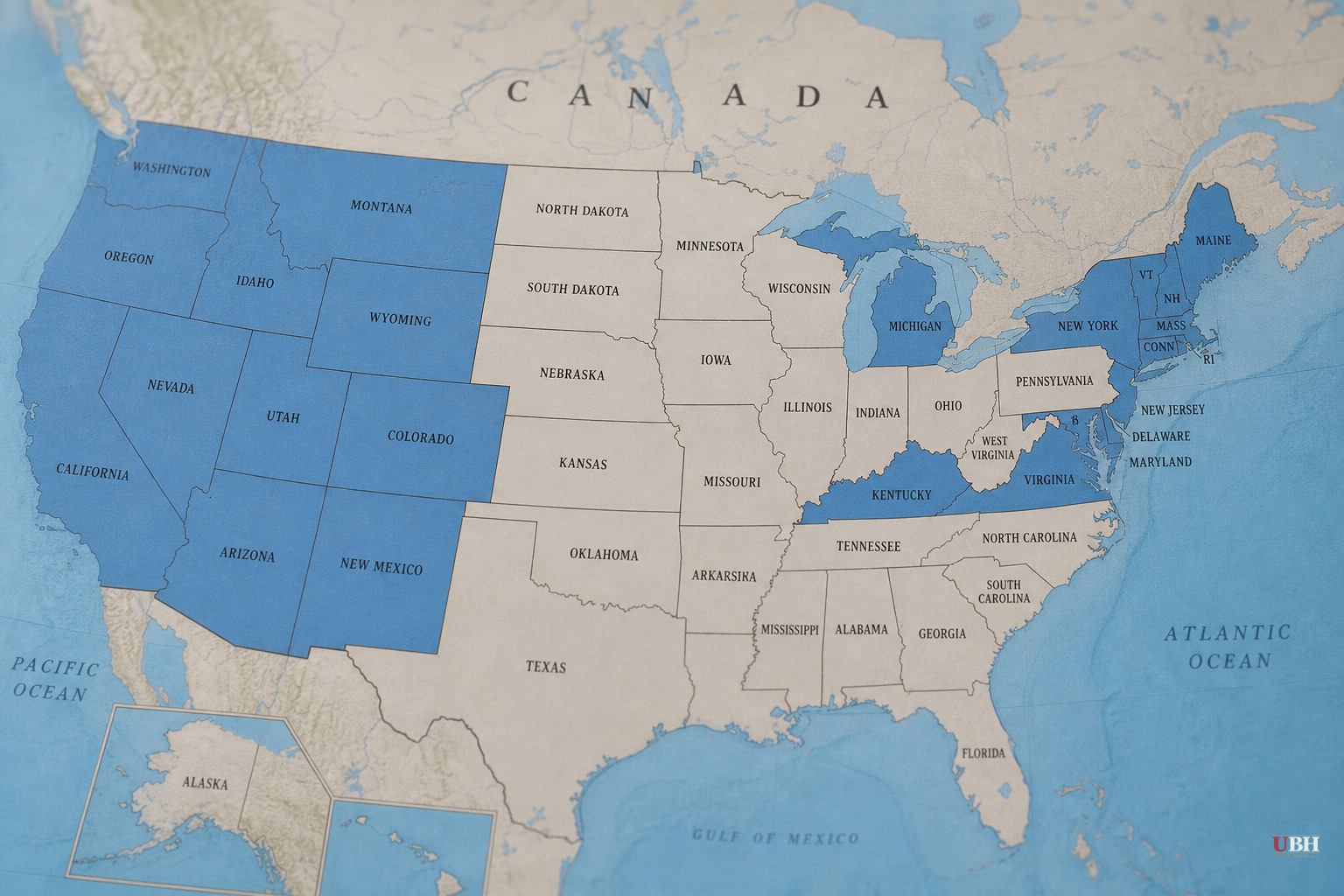
A federal appeals court on Saturday kept President Trump's executive order on voter list verification blocked in the 23 states and the District of Columbia that sued to stop it, dealing a setback to the administration's push to tighten mail-in voting rules before the November midterms.
The 1st U.S. Circuit Court of Appeals ruled 2-1 to uphold a lower court injunction issued by U.S. District Judge Indira Talwani, an Obama appointee, according to NTD and the Associated Press. The order will not take effect in the states that challenged it while litigation continues.
What the Order Actually Did
Trump signed the executive order in March. It directed the Department of Homeland Security, U.S. Citizenship and Immigration Services, and the Social Security Administration to build a "state citizenship list" of eligible voters, according to Newsday.
It also ordered the U.S. Postal Service to deliver mail ballots only to people on that approved list and authorized the Department of Justice to investigate and prosecute state or local officials who handed ballots to anyone deemed ineligible, per NTD's reporting.
Trump has framed this as a straightforward election-integrity measure, aimed at keeping non-citizens off the voter rolls. Non-citizen voting is illegal under federal law, and voters across the political spectrum have said they want confidence that only eligible citizens are casting ballots. Requiring ID and verification for high-stakes civic functions is common practice in plenty of other contexts, from opening a bank account to boarding a plane.
Why the States Sued
Democratic officials in 23 states and D.C. filed suit in U.S. District Court in Boston, arguing the order was unconstitutional because setting election rules is a power reserved to the states and Congress, not the president, according to Newsday.
State election officials also argued the list system was "ripe for abuse" and could cause chaos, Newsday reported. Judge Talwani agreed and blocked the order from applying in the states that sued, ahead of the Nov. 3 elections.
What the Appeals Court Said
The 1st Circuit majority didn't rule on the merits of whether citizenship verification itself is a good idea. It ruled on timing and disruption.
"The undisputed summary judgment record indicates that, were the EO to take effect for the elections taking place in September and November, it would sow confusion and threaten disenfranchisement of many eligible voters," the majority wrote, according to NTD.
DOJ lawyers had asked the appeals court to pause Talwani's ruling while the government pursued its appeal, arguing federal agencies hadn't yet finalized policies under the order, making the lawsuit premature. The court rejected that argument outright.
The judges pointed to concrete deadlines already bearing down on states. "The [executive order] lays out a clear set of rapidly approaching deadlines by which states must coordinate with federal officials and comply with new voting procedures," the majority wrote, noting several plaintiff states have statutes requiring mail ballots go out to eligible voters weeks in advance, a fact the government did not dispute.
The court also found that some plaintiff states had already pulled election staff off other work to start complying with the order, an injury the judges said was happening now, not hypothetically.
One judge dissented. The ruling doesn't specify the dissenting judge's reasoning in the sources reviewed, and neither the White House nor the Justice Department responded to requests for comment from NTD or Newsday as of Sunday.
What's Unresolved
This is a procedural win for the plaintiff states, not a final ruling on whether Trump's order is constitutional. The injunction only applies in the 23 states and D.C. that sued, meaning the order could still theoretically apply elsewhere, though no reporting here indicates other states are attempting to implement it independently.
The underlying legal question, whether a president can direct federal agencies to condition mail-ballot delivery on a federally compiled citizenship list, hasn't been decided on the merits. That fight continues in the lower court, and the administration could seek review from the full 1st Circuit or the Supreme Court.
With September and November elections approaching, the practical clock the appeals court cited is real. States need lead time to print, mail, and process ballots under whatever rules ultimately apply. Every week this stays in litigation is a week states plan under the old rules, not the new ones.
Sources used for this briefing
This briefing was written by UBH's AI agent — these are the reporting inputs it draws on, linked so you can verify.


