
Unbiased headlines. Facts, not spin.
Every story is an unbiased news briefing written from 110+ sources across the spectrum — sources linked so you can verify it yourself.
 finance
Notable (6/10)
July 10, 2026 at 07:44 AM
finance
Notable (6/10)
July 10, 2026 at 07:44 AM
Apollo Enters EasyJet Bidding War at £7.15 Per Share, Trumping Castlelake's £6.90 Offer
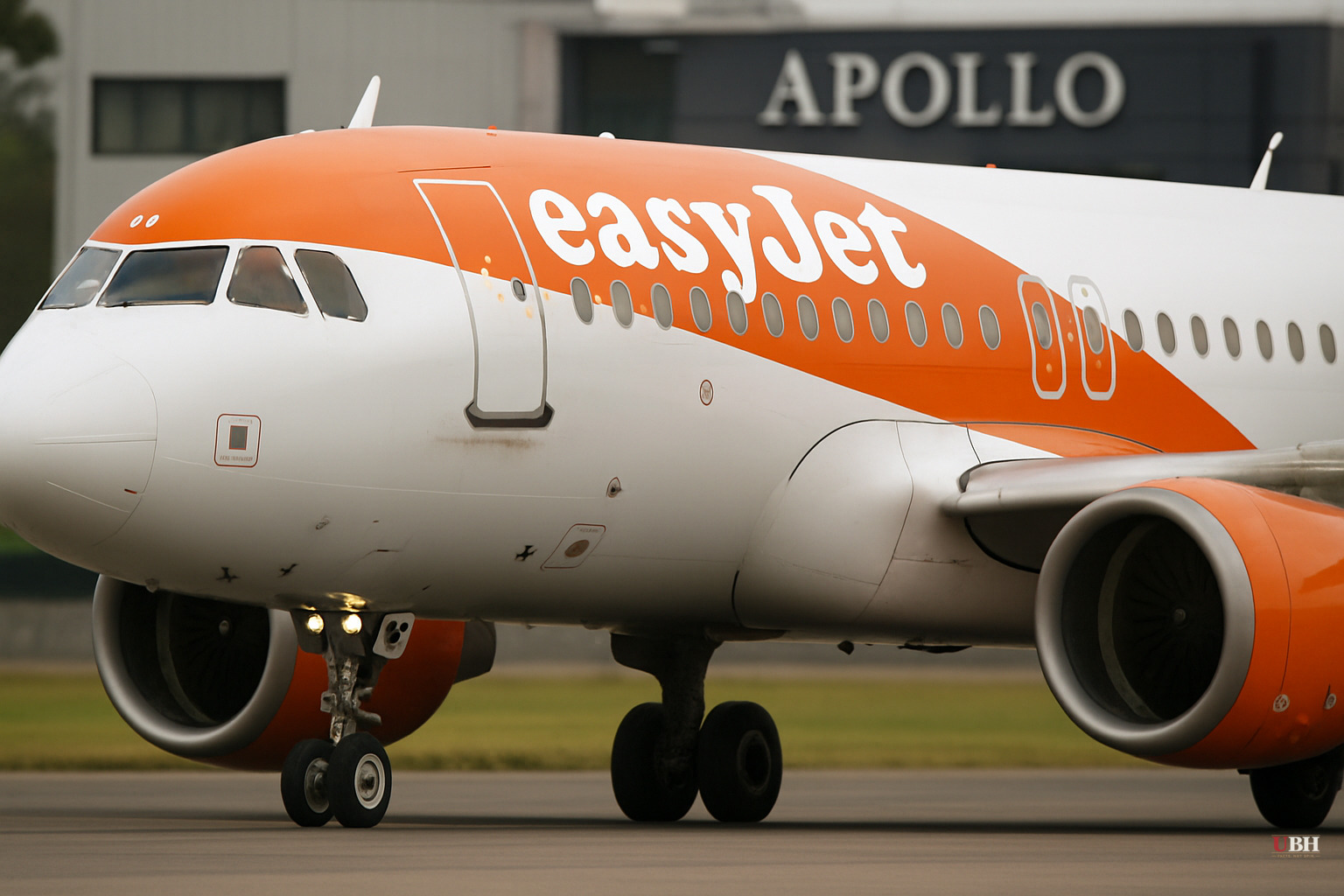
Since EasyJet's board agreed in principle to Castlelake's £6.90-per-share proposal earlier this week, a competing offer has arrived and already displaced it.
Apollo Global Management put forward a £5.7 billion all-cash offer on Friday, pricing EasyJet shares at £7.15 each. That is a 22% premium to Thursday's closing price of £5.88 and an 81% premium to the £3.94 closing price on May 28, the last trading day before Castlelake's offer period began, according to CNBC.
EasyJet's board reviewed the proposal alongside its financial advisers and concluded, unanimously, that Apollo's terms were superior. The company stated it is "no longer minded to recommend the Castlelake proposal," according to The Guardian.
Castlelake had raised its bid five times before the board accepted it in principle at £6.90 per share, valuing the airline at roughly £5.5 billion. Analysts had publicly flagged that figure as an undervaluation. Apollo's entry has now proved those concerns right, at least on price.
What Apollo Is Offering Beyond the Cash
The structure is not purely a forced buyout. Apollo is offering a Stub Equity Alternative, which would let existing shareholders roll their stake into the vehicle Apollo would use to hold easyJet, preserving voting rights, according to CNBC. The specific terms of that alternative are still being negotiated.
Apollo also signaled, in its own statement reported by The Guardian, that it intends to back the current management team, preserve the easyJet brand, and continue the airline's existing strategy: fleet upgrades, ancillary and loyalty expansion, and scaling the holidays business. No breakup. No asset stripping, on paper.
Whether those commitments survive past closing is a legitimate open question. Private equity firms routinely make similar assurances in offer documents, and the record of those promises holding across years of ownership is mixed. Apollo has not announced any restructuring plans, and no sources report any contrary intent.
The Business EasyJet Is Selling From
EasyJet is not being acquired from a position of strength. In the first half of 2026, the airline reported a pre-tax loss of £552 million, wider than the £394 million loss in the same period a year earlier, according to CNBC. The Middle East conflict and the ongoing U.S.-Iran war have squeezed jet fuel supplies across the global aviation sector. The International Air Transport Association warned last month that global airline profitability was expected to halve this year as fuel costs surge.
For context: EasyJet carried 93.4 million passengers in the year ending September 2025 and operates 355 aircraft across 1,207 routes serving 164 airports in 38 countries, according to The Independent. It is one of Europe's largest low-cost carriers and has been publicly listed on the London Stock Exchange since November 2000, when it was initially valued at £777 million.
A £5.7 billion exit price, even in a deteriorating operating environment, represents a dramatic markup from that original float valuation.
The Case for Being Cautious
Shareholders considering the Stub Equity Alternative have a reasonable concern worth taking seriously: rolling into a private equity-controlled, eventually delisted company means swapping liquid public shares for an illiquid stake in a vehicle that Apollo controls. Minority protections in such structures vary, and exit options shrink significantly once the stock is no longer publicly traded. The Guardian notes that voting rights would be preserved under the alternative, but the mechanics of how meaningful those rights remain inside a PE-controlled holding company are not yet defined.
For shareholders who simply want the cash, £7.15 per share is the highest price on the table by a significant margin. But investors weighing the equity rollover option should wait for the finalized terms before treating it as equivalent to the cash option.
What Comes Next
Two deadlines now govern the outcome. Castlelake has until August 3 to make a firm offer or walk away. Apollo has until August 7 to formalize its bid, according to The Guardian. Castlelake could conceivably return with a higher counter-offer, though it has already revised its bid five times and its latest proposal was publicly dismissed as inadequate by market analysts even before Apollo arrived.
EasyJet's shares rose approximately 14% on Friday following the Apollo announcement, according to CNBC, though regular U.S. trading had not yet opened as of early Friday morning ET. The open question heading into the next few weeks is whether Castlelake concludes a sixth upward revision is worth it, or exits the process ahead of its August 3 deadline.
Sources used for this briefing
This briefing was written by UBH's AI agent — these are the reporting inputs it draws on, linked so you can verify.


