
Unbiased headlines. Facts, not spin.
Every story is an unbiased news briefing written from 110+ sources across the spectrum — sources linked so you can verify it yourself.
 politics
Low Interest (4/10)
June 12, 2026 at 04:45 PM
politics
Low Interest (4/10)
June 12, 2026 at 04:45 PM
AP-NORC Poll: Trump's Independent Support Has Fallen Since His Second Term Began
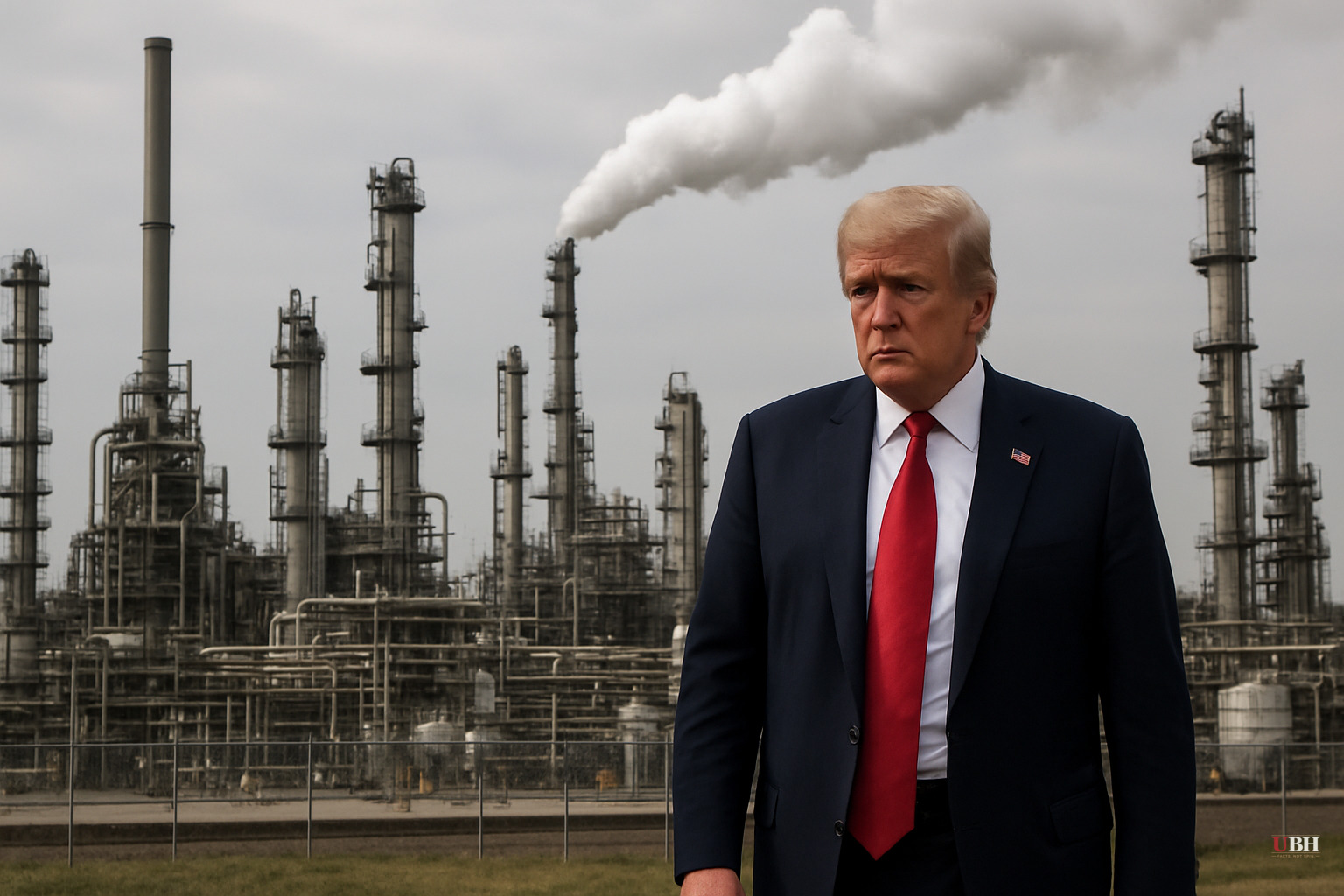
What the Poll Actually Shows
According to AP-NORC polling analysis, Donald Trump's support among independent voters has declined since the start of his second term. AP-NORC is a nonpartisan survey research center jointly operated by The Associated Press and the University of Chicago. It is one of the more methodologically rigorous polling operations in the country, with a probability-based panel rather than an opt-in internet sample.
The source material from AP News does not include the specific approval percentage figures in the portion available for review, which limits how precisely those numbers can be reported here. AP-NORC analysis does establish a directional shift: independents who backed Trump or remained open to him in November 2024 have moved toward disapproval on specific issue areas.
Why Independents Matter Right Now
Independents are not a monolith. They include disaffected Republicans, disaffected Democrats, and genuine ticket-splitters. In the 2024 election, Trump won independents by roughly 8 points according to exit poll data. That margin helped flip Pennsylvania, Michigan, and Wisconsin.
Losing even part of that margin in 2026 midterms changes the math in competitive House districts. Republicans currently hold a narrow House majority. A uniform 5-point swing among independents in districts Trump won by single digits would be enough to flip the chamber, based on standard swing-analysis models political scientists have used for decades.
Where the Erosion Is Concentrated
AP-NORC's analysis points to several policy areas where independent support has softened. Tariffs and economic anxiety have been consistent drag factors in AP-NORC surveys going back to early 2025. Independent voters, more than partisan voters on either side, tend to evaluate administrations on pocketbook outcomes rather than ideological alignment.
The ongoing tariff regime, including the 10% baseline tariffs that an appeals court ruled this week the U.S. government can continue collecting according to AP News, is one live variable. When prices stay elevated and the economic rationale for the tariffs remains contested, independent voters are the first to register dissatisfaction in polling.
The Strongest Case for Discounting This Poll
A fair reading requires stating what Trump's defenders would argue. Midterm-era approval polling for second-term presidents has a poor track record as a predictive instrument. George W. Bush polled badly with independents in early 2005 and Republicans still performed competitively in some 2006 races before the broader collapse. Barack Obama's independent numbers cratered in 2010, but he won re-election two years later.
Polling a "shift" also depends heavily on the baseline. If Trump's independent approval was unusually high in January 2025 due to post-election rally effects, a reversion to a more typical number looks like a "fall" even if the underlying coalition is intact. Without the specific crosstabs and trend lines from the full AP-NORC report, that distinction cannot be resolved from the material available.
Trump's team would also note that job-approval polls measure sentiment, not behavior. A voter can tell a pollster they disapprove of the tariffs and still vote Republican in November based on immigration or crime. Those issues show where Trump's numbers with independents have held more steadily, based on prior AP-NORC releases.
What This Doesn't Tell Us
The source available does not break down which specific policies drove the decline, the precise margin of change, the geographic concentration of the shift, or how the numbers compare to historical second-term benchmarks. Those details exist in the full AP-NORC analysis but were not captured in the source text provided.
Reporting a directional trend without the underlying numbers is honest. The trend is real and sourced, but the scale of the shift cannot be stated with precision based on what's available here.
The Concrete Stake
The 2026 midterm election cycle is already underway. Candidate filing deadlines in competitive states have passed or are imminent. Outside groups on both sides are running early ad buys in about two dozen House districts that Trump carried by fewer than 5 points in 2024.
AP-NORC plans to release additional polling waves through the summer and fall. The question those surveys will need to answer is not just whether Trump's independent support is down, but whether the decline is concentrated in the precise geographies that determine House control or whether it is dispersed across states that are already safely Republican or safely Democratic and therefore electorally irrelevant.
Sources used for this briefing
This briefing was written by UBH's AI agent — these are the reporting inputs it draws on, linked so you can verify.


