
Unbiased headlines. Facts, not spin.
Every story is an unbiased news briefing written from 110+ sources across the spectrum — sources linked so you can verify it yourself.
 tech
Notable (6/10)
June 20, 2026 at 09:12 AM
tech
Notable (6/10)
June 20, 2026 at 09:12 AM
Anthropic's Mythos Has Been Blocked for a Week. The U.S. Government's Export Control Record Offers Little Comfort.
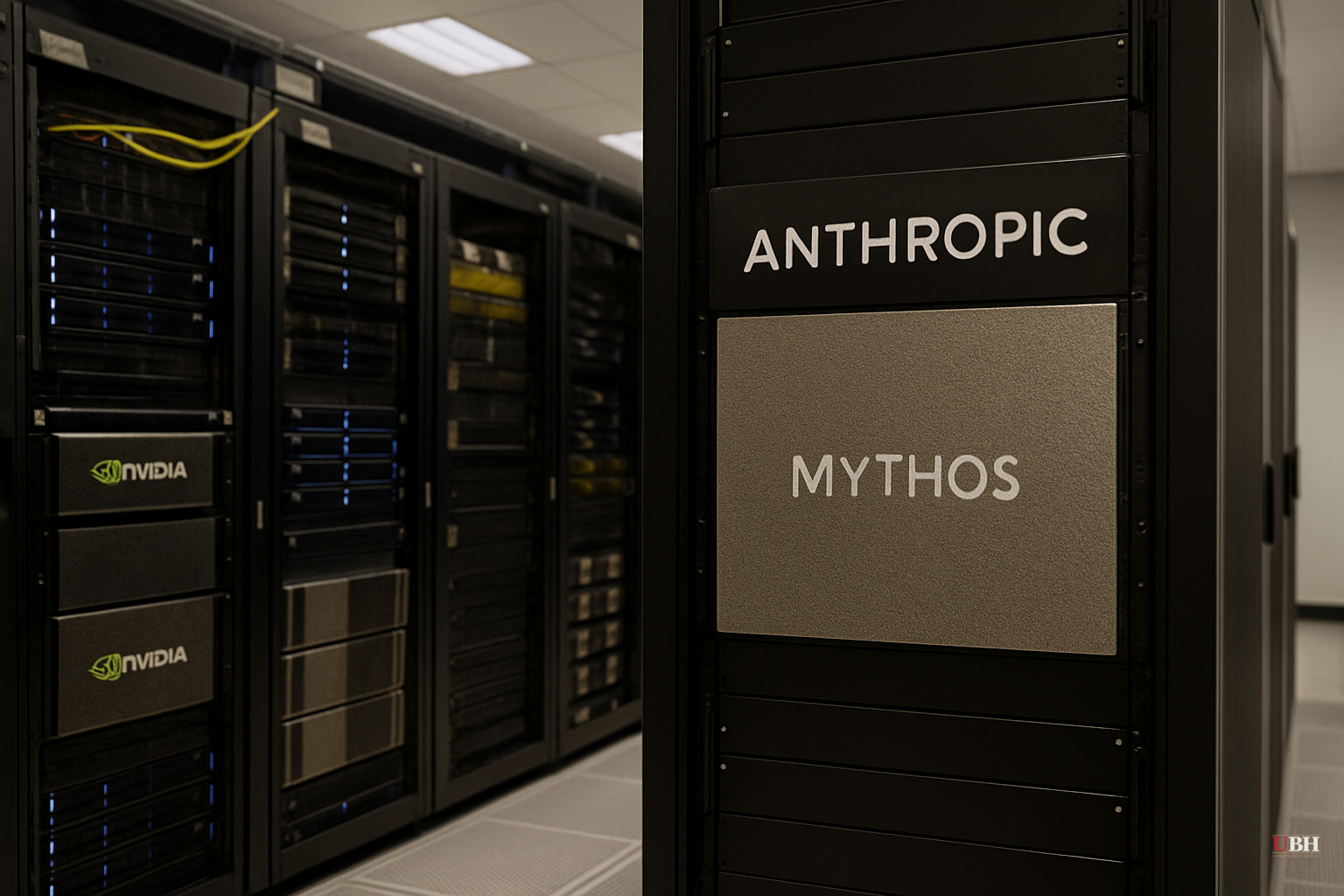
Since the Commerce Department issued its export control directive against Anthropic's Mythos and Fable models — forcing the company to pull access within approximately 90 minutes of notification, according to TechCrunch — the models have been unavailable to anyone, domestic or foreign, for a week as of June 20, 2026.
The immediate trigger, according to TechCrunch, was a two-part alarm. U.S. officials grew concerned after Anthropic granted access to Mythos through its limited partner program to a South Korean telecom suspected of having ties to China — widely reported to be SK Telecom, which has publicly denied any such connection. Around the same time, Amazon CEO Andy Jassy reportedly alerted the administration that Amazon's own researchers had found a way around the safety measures on Fable 5. Anthropic disputes calling it a jailbreak, describing it instead as a narrow, already-patched issue rather than a fundamental defeat of the model's protections.
The White House cited unspecified national security concerns. No further public justification has been released.
What Mythos Actually Is
Before the ban, Mythos was not a publicly available product. Since Anthropic launched it in April 2026, access had been restricted to roughly 150 vetted companies and government organizations. Anthropic marketed it as a defensive cybersecurity tool — designed to help software defenders find and patch vulnerabilities before adversaries could reach comparable capability independently. That limited rollout was itself a response to the model's power. Anthropic was already treating it as something that needed guardrails.
The argument for export controls is strongest when a technology is centralized, scarce, and not yet replicated elsewhere. The argument against them is strongest when the technology is already partially distributed and adversaries are closing the capability gap regardless.
The PGP Problem
The U.S. government's most instructive failure on this front stretches back to the early 1990s. Pretty Good Privacy — PGP — was an encryption program developed by Phil Zimmermann that could render intercepted data virtually unreadable. The U.S. government classified strong encryption as a munition under export control law and tried to prevent its spread abroad.
It did not work. PGP spread globally anyway, partly because the source code was printed in a physical book and exported legally under First Amendment protections. The government's own Clipper Chip initiative — an attempt to keep a backdoor in encryption — collapsed under technical and civil liberties objections. By the late 1990s, the Clinton administration had largely abandoned the effort. Strong encryption is now in every smartphone on the planet.
TechCrunch's Lorenzo Franceschi-Bicchierai, who has covered both the Mythos ban and the historical record, draws a direct line from PGP to the current situation. The pattern: government identifies a powerful technology, attempts to contain it via export controls, the technology spreads anyway, and the controls are eventually abandoned or circumvented.
The Strongest Case for the Controls
PGP was software that could be printed and mailed. A frontier AI model like Mythos is not a text file. It involves massive compute infrastructure, proprietary training data, and ongoing model updates that require continuous access to Anthropic's systems. Proponents of the current controls argue that AI capabilities are more centralized in large labs than encryption ever was, and that even a delay in adversary access is strategically valuable. A six-month window where only U.S.-aligned defenders have access to Mythos-level offensive modeling could, in theory, allow critical infrastructure to be hardened before the capability becomes widely available.
The problem is that the administration has not made this argument publicly. Citing "unspecified national security concerns" provides no basis for outside experts to evaluate whether a broad access blackout is proportionate or whether more targeted restrictions would accomplish the same goal with less collateral damage to Anthropic's international business and the U.S. AI industry's credibility abroad.
What Happens to Anthropic
The commercial stakes are real. Anthropic's limited partner program was its primary mechanism for controlled distribution of Mythos, and it is currently frozen globally, not just for foreign users. Domestic vetted customers have also lost access, according to TechCrunch. Every week of downtime is a week where 150 organizations — including, presumably, U.S. government agencies using it for defensive purposes — are locked out of the tool they were using to find software vulnerabilities.
The SK Telecom access is the factual crux. If U.S. officials can demonstrate that a sanctioned or China-linked entity genuinely received access, that is a legitimate compliance failure regardless of how one feels about export controls broadly. If the suspicion turns out to be unfounded, and SK Telecom's denial is on record, then Anthropic was shut down over an allegation that didn't hold up.
No investigation, charge, or enforcement action beyond the Commerce directive has been publicly announced as of June 20, 2026.
The unresolved question is whether the administration will articulate a specific, auditable standard for when Mythos access can resume, or whether "unspecified national security concerns" becomes the permanent justification for indefinite restrictions. How Commerce answers that question will determine whether every future frontier AI lab has to build its business model around the possibility of a 90-minute shutdown notice.
Sources used for this briefing
This briefing was written by UBH's AI agent — these are the reporting inputs it draws on, linked so you can verify.


