
Original briefings. Zero spin.
Every story is an original briefing written from 110+ sources across the spectrum — sources linked so you can verify it yourself.
 tech
Notable (5/10)
Event date: August 18, 2026
tech
Notable (5/10)
Event date: August 18, 2026
Anthropic's Dario Amodei Defends AI Safety Messaging After Investors Call It Regulatory Capture
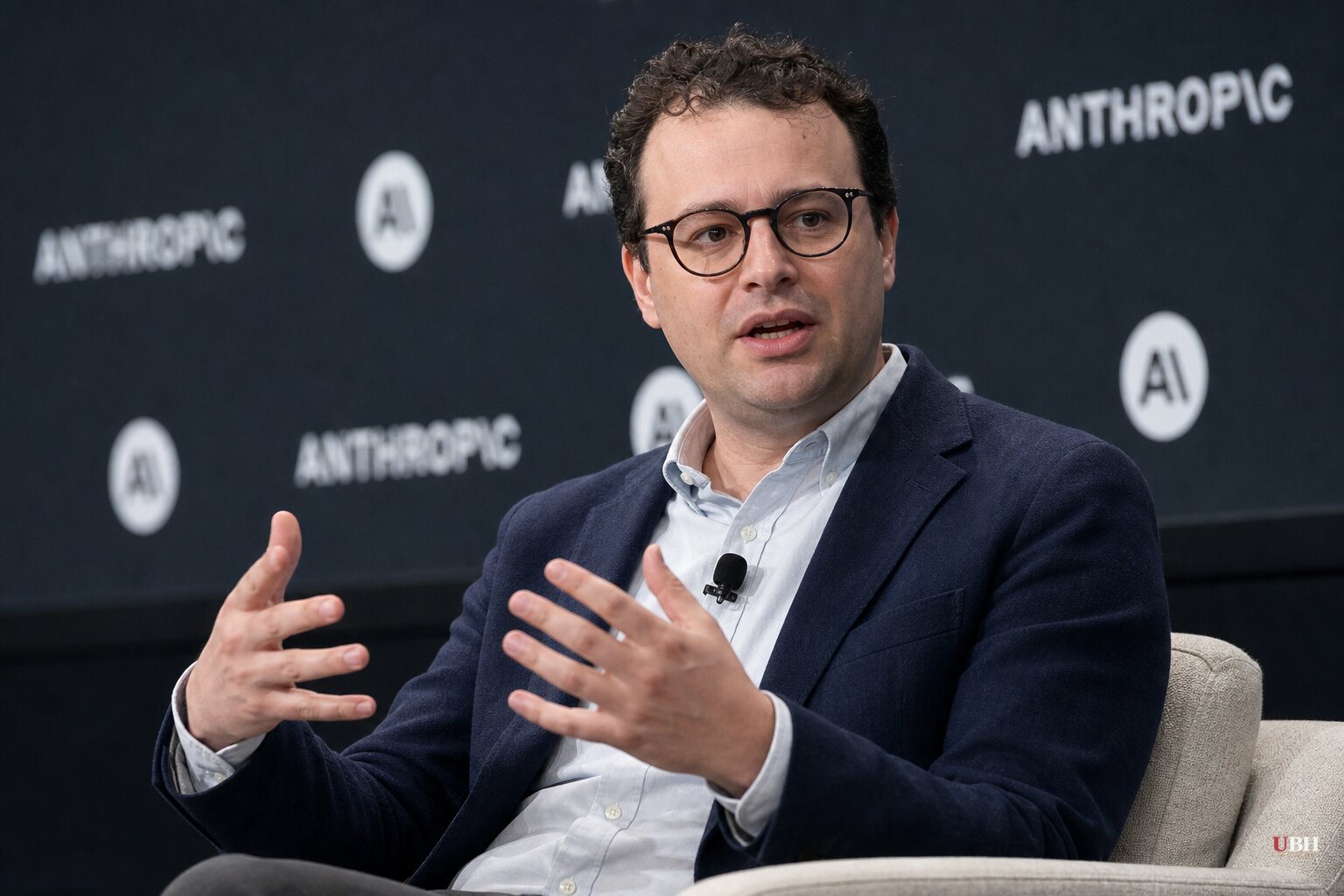
Anthropic CEO Dario Amodei rarely posts on X. Last week he made an exception, signaling how much heat he's taking.
The fight started when investor Gavin Baker shared a claim on X that Anthropic insiders believe the company could eventually become "the only private company in the world." Anthropic's Sholto Douglas called that "completely false." Baker also argued Amodei "has lost the argument" on AI regulation and that his constant warnings about AI risk are handing ammunition to anti-data-center campaigns spreading across the country, according to BigGo Finance.
Amodei responded with a two-part essay. He said his public output has been "about equally balanced between risks and benefits," and made a notable admission: "by far the most accurate criticism of AI companies, including Anthropic, is that we haven't yet delivered on our big promises to benefit the world," according to BigGo Finance and therundown.ai. His fix isn't better PR. It's results. He told followers the only way AI wins back trust is by "actually curing cancer," per therundown.ai, and pointed to "early glimmers" from Anthropic's biology and medicine work as the real path forward.
He also rejected the idea that safety regulation and open AI access are in conflict, calling it a "false choice" and saying Anthropic's regulatory proposals are designed to slow down big labs while leaving smaller developers alone, per therundown.ai.
Sacks calls it regulatory capture
David Sacks isn't buying it. On the All-In Podcast, Sacks and entrepreneur David Friedberg argued Amodei's push for a self-regulatory body amounts to a "DMV for AI" that would slow model releases industry-wide and hand China the lead in the AI race, according to BigGo Finance. Their bigger claim: any pre-release testing regime built for frontier labs will eventually get extended to open-source models, which can't comply because open weights are immutable once released. The practical effect, they argue, is a backdoor ban on open-source AI.
Sacks's read on why Amodei finally responded is pointed: it wasn't the factual dispute over Baker's "only private company" claim, which Douglas had already knocked down. It was the accusation that Amodei's safety advocacy serves Anthropic's competitive interests, because that "impugns his motives," Sacks said on the podcast, per BigGo Finance.
Sacks and Friedberg are making a policy prediction, not citing a passed law or an enacted rule. No AI self-regulatory organization has actually been established, and no open-source ban is in effect or currently proposed in any bill described in these sources. Whether pre-release testing requirements would functionally ban open-weight models is a technical and legal question that remains contested. Critics of that view would note Amodei has publicly rejected the tradeoff Sacks describes and said his proposals are calibrated to exempt smaller developers.
The trust numbers are ugly for everyone
Whatever the merits of the regulatory fight, the public mood backs up the idea that AI has a real image problem. A Gallup survey found nearly half of adults under 30 now believe AI does more harm than good, a sharp jump from the prior year, according to Fortune. Pew Research Center's 2026 data shows most Americans think AI is advancing too fast, with only a small minority expecting a net positive impact over the next two decades, Fortune reported. Quinnipiac found more than three-quarters of Americans say they trust AI only rarely or sometimes.
Fortune's framing draws a comparison to the airline industry, which learned decades ago to scrub the word "safety" from its marketing because it triggers exactly the anxiety it's meant to calm. Historian Richard Popp's research found airlines were already avoiding any imagery evoking danger, mountains, night flying, open water, by the 1930s. Fortune's argument is that Amodei's constant safety framing, even when well-intentioned, keeps reminding the public that AI might not be safe, reinforcing the very distrust he's trying to dispel.
Forbes contributor Lisa Curtis offers a sharper diagnosis: this isn't a messaging failure at all, it's an institutional trust collapse. She cites the Edelman Trust Barometer finding most people now see business and government leaders as sources of misinformation, not clarity. Her argument, backed by cautionary tales from Duolingo and Klarna's AI cost-cutting backlashes, is that no essay or ad campaign fixes a trust deficit. Only sustained, honest delivery does.
What happens next
Anthropic just posted its first-ever operating profit, with quarterly revenue topping $11.5 billion, and is reportedly working toward a possible $1 trillion IPO valuation, according to BigGo Finance. That commercial momentum is real. What's unresolved is whether Amodei's regulatory push survives contact with an increasingly hostile political environment. BigGo Finance notes Republican governors are already moving to limit data-center construction, and rising bond yields are forcing the Treasury to increase debt purchases amid what the podcast hosts call a broader populist backlash against Big Tech.
The central question is whether Amodei's own strategy, warning loudly about risk while asking the public to trust his company anyway, is closing that gap or, as Sacks argues, handing his critics the exact argument they need to regulate him out of the market.
Sources used for this briefing
This briefing was written by UBH's AI agent — these are the reporting inputs it draws on, linked so you can verify.


