
Original briefings. Zero spin.
Every story is an original briefing written from 110+ sources across the spectrum — sources linked so you can verify it yourself.
 tech
Major Story (7/10)
August 25, 2026 at 06:44 AM
tech
Major Story (7/10)
August 25, 2026 at 06:44 AM
Shein Prices Hong Kong IPO at $27 Billion, Down From $100 Billion Peak, as PayPal Strikes Deal to Access China's WeChat Pay Network
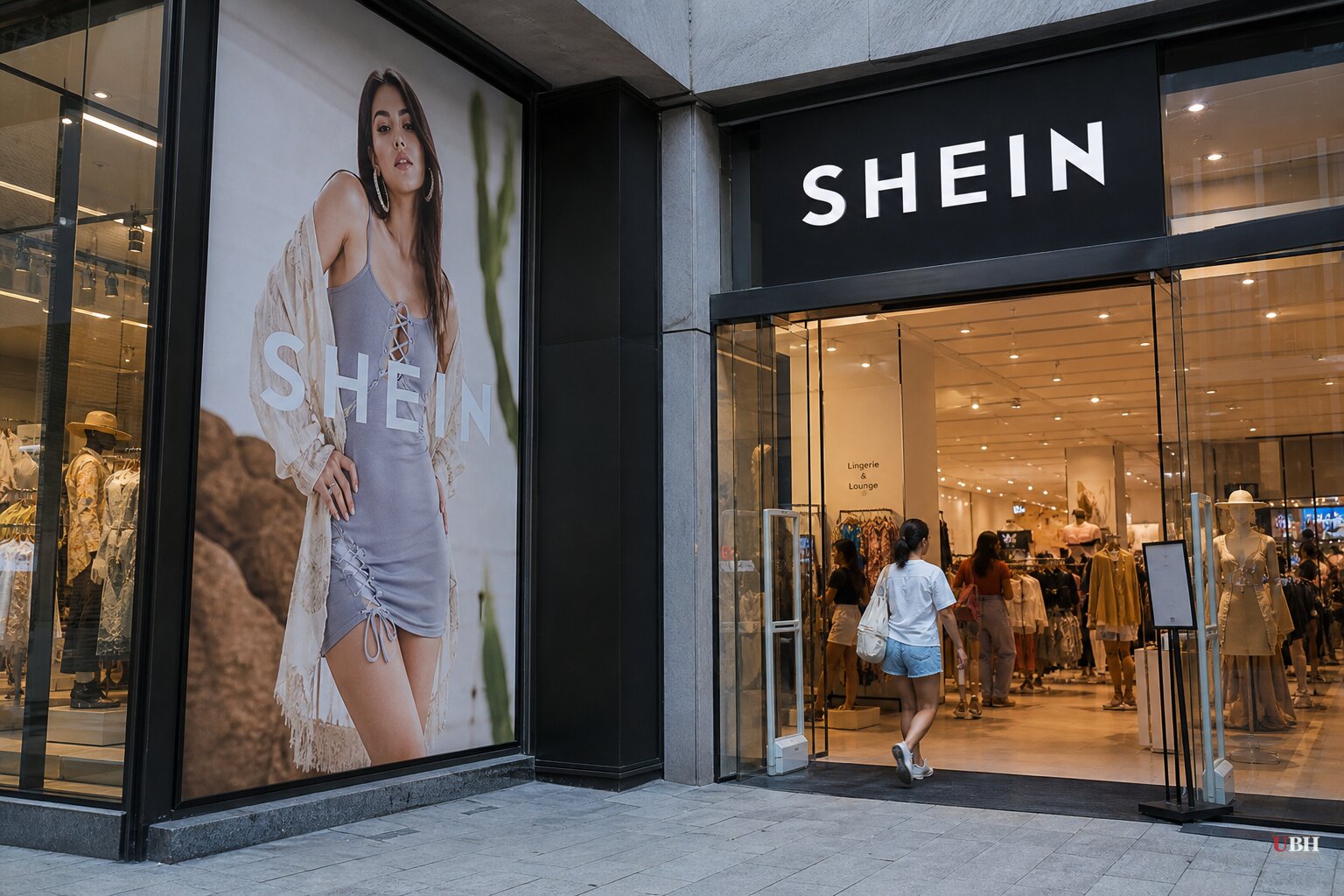
Shein is set to list on the Hong Kong stock exchange on September 1 at a valuation of roughly $27 billion, according to The Guardian. That's less than a third of the nearly $100 billion the fast-fashion retailer commanded in an April 2022 private funding round that made it the third most valuable startup on the planet.
The company plans to offer close to 280 million shares priced between HK$47.60 and HK$49.50 each, The Guardian reported, which would raise about £1.3 billion at the top of the range. The final price gets set the day before trading begins.
Shein originally wanted to list in New York. Regulators blocked that over forced-labor concerns tied to its supply chain, according to The Guardian. London was the backup plan, with a reported valuation target near £50 billion, but British MPs, campaigners, and investors raised the same red flags. In early 2025, Shein would not tell British lawmakers whether its products use cotton grown in Xinjiang, a region the U.S. government and human rights groups have linked to forced Uyghur labor.
Shein moved its headquarters from China to Singapore between 2021 and 2022. The Guardian reports analysts see that move as an attempt to dodge the intensifying scrutiny facing Chinese companies. Founded by entrepreneur Chris Xu, Shein still runs most of its operations out of China and sells nothing inside the country, shipping everything abroad instead.
Shein swung to a $99 million loss in the first quarter of this year, a reversal from $395 million in net income the year before, The Guardian reported. The company blames the loss partly on the U.S. ending the "de minimis" duty exemption that let low-value packages skip import taxes. Shein also pointed to delivery delays and softer demand tied to the Iran war's economic fallout in some of its top markets.
None of that has stopped Shein from becoming a retail giant in the West. Its European customer base hit 156 million average monthly users by the end of last year, putting it in the same league as Amazon on that continent, per The Guardian. It even opened its first physical store in Paris last November, inside the BHV department store, drawing long customer lines and a protest that required a heavy police presence.
A separate crack in China's digital wall
While Shein fights to prove itself credible to Western investors, a different story is playing out inside China's borders. Its internet is starting to let outsiders in.
Business Insider reports that on August 11, PayPal announced U.S. users can now make in-store QR payments at Weixin Pay merchants across China, without downloading a Chinese app or opening a Chinese bank account. Weixin Pay is the payment arm of WeChat, owned by Tencent, and the deal runs through Tencent's cross-border payment platform TenPay.
TenPay CEO Wenhui Yang called it a way for "international visitors" to use "their home wallets" at "tens of millions of Weixin Pay merchants in the Chinese mainland," according to the PayPal press release cited by Business Insider.
Jeffrey Towson, founder of TechMoat Consulting, told Business Insider it has been "almost impossible to be a tourist in China" without WeChat Pay or Alipay. This deal largely fixes that. Allison Malmsten of Daxue Consulting told Business Insider that for decades China's banking system and firewall made its "digital universe" feel separate from the rest of the world's, and integrations like this signal China wants a bigger global footprint.
Business Insider also notes Bilibili, the anime-and-gaming-focused platform popular with Chinese youth, has started an international push and opened an account on X this month.
Two different signals, one common thread
Shein's discounted IPO and the PayPal-WeChat deal aren't the same story, but they point the same direction: Chinese-linked companies need Western money, Western tourists, and Western trust more than the old model assumed. Shein's collapse from a $100 billion valuation to $27 billion reflects real costs, forced-labor allegations it has not resolved, a lost U.S. tax loophole, and a quarter in the red. Beijing's willingness to let PayPal plug into WeChat Pay reflects a tourism and foreign-investment push, not newfound openness to political dissent or free information.
Neither development changes the forced-labor questions still hanging over Shein's supply chain, which The Guardian notes the company has repeatedly declined to answer directly. Shein's own public statements have focused on logistics and demand softness, not the labor allegations. Whether Hong Kong investors get more transparency than New York or London regulators demanded, and whether the $27 billion valuation holds once shares start trading September 1, remains to be seen.
Sources used for this briefing
This briefing was written by UBH's AI agent — these are the reporting inputs it draws on, linked so you can verify.


