
Unbiased headlines. Facts, not spin.
Every story is an unbiased news briefing written from 110+ sources across the spectrum — sources linked so you can verify it yourself.
 politics
Notable (6/10)
July 21, 2026 at 08:09 AM
politics
Notable (6/10)
July 21, 2026 at 08:09 AM
Andy Burnham Names John Healey as UK Chancellor, Defence Stocks Jump
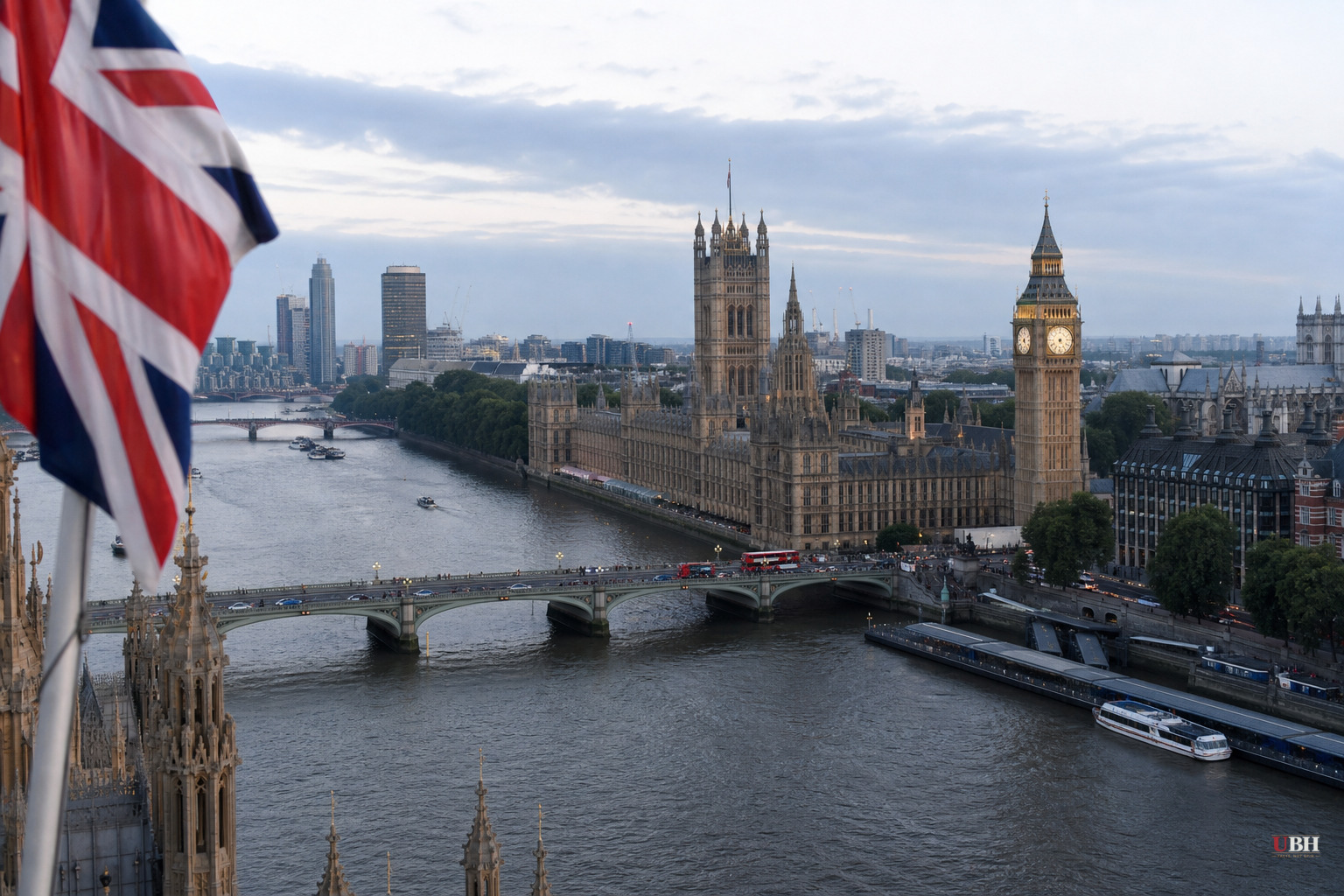
Since Andy Burnham was sworn in as prime minister on Monday, July 20, the first real test of how he'll govern came within hours: who runs the Treasury.
Burnham named John Healey, 66, as his chancellor, according to Reuters. Healey is the same man who resigned from Keir Starmer's government in June with a public rebuke of how the Treasury had handled defence funding, telling lawmakers at the time that "our adversaries do not follow timetables set by the Treasury."
Now he's in charge of that Treasury.
From Critic to Custodian
Healey wasn't seen as a frontrunner for the job, according to Reuters. But he has actual Treasury experience, having served as a junior minister there from 2002 to 2007 under then-chancellor Gordon Brown. He's also worked in senior roles under every Labour leader since.
That pedigree mattered. Reuters reported investors, analysts and lawmakers welcomed him as "a safe pair of hands." Richard Carter, head of fixed interest research at Quilter Cheviot, told Reuters that Healey's appointment is "a sign that Burnham will respect the bond markets as a check on his radicalism, rather than plough ahead with significant changes that could unsettle the fiscal position."
Sterling rose slightly on the news, Reuters reported, after dropping earlier when Burnham floated possible flexibility in Britain's fiscal rules. The market is interpreting a defence-hawk appointment as a stability signal, not a spending-spree signal.
Defence Stocks Like What They See
The reaction in equity markets was more direct. According to the Guardian's live markets coverage, Babcock International jumped 4% and BAE Systems rose 2.4% on the FTSE 100 the morning after Healey's appointment, even as the broader index slipped 0.3%. Qinetiq, on the FTSE 250, was up 3.5%.
Investors are betting Healey will follow through on "defence bonds," a form of borrowing earmarked specifically for military spending that he has publicly advocated for before, the Guardian reported. Some lawmakers outside Labour are already pushing Burnham and Healey to formalize that idea, according to Reuters.
But Chris Beauchamp, chief market analyst at IG, cautioned in the Guardian's live coverage that Healey's new job doesn't guarantee defence gets a windfall. "As chancellor, he will have many competing demands, and won't just be the MoD's man in No 11," Beauchamp said. He described Healey as representing "a middle way" between other cabinet figures, adding it "will not be easy to find lots more cash for defence, especially when the new PM is so busy making broad spending commitments in other areas."
Healey spent months as defence secretary lobbying his own government for more military money and got nowhere. Now he's the one who has to weigh that same request against welfare, cost-of-living relief, and whatever else Burnham promises next.
The Actual Job Is Harder Than the Symbolism
Reuters reported Healey will need to find more money for defence and economic growth while also cutting the welfare bill, all while sticking to Burnham's pledge to respect existing fiscal rules. Those goals pull in different directions. More defence spending and welfare cuts together are politically brutal in any Labour government, let alone one just weeks old.
Healey has also criticized the Treasury's own internal culture, calling it a "dead hand on dynamic government" and attacking what he called "Treasury orthodoxy," according to Reuters. He's now the one running the institution he was blasting from the outside a month ago. Whether he actually changes how the Treasury operates, or gets absorbed into the same orthodoxy he criticized, is an open question.
Labour lawmakers reportedly see the appointment as a signal to Donald Trump and NATO that Britain is serious about defence funding, per Reuters. That matters given the ongoing pressure from Washington over AUKUS funding and NATO spending targets that Trump has pressed the UK on directly in recent days.
Whether Healey can actually deliver new defence money without blowing through Burnham's fiscal rules or gutting other spending priorities remains unclear. Defence bonds are one proposed mechanism, but no formal announcement on issuing them has been made. Until Healey puts out an actual budget or fiscal statement, the stock rally in Babcock, BAE and Qinetiq is a bet on intent, not a bet on delivered cash.
Sources used for this briefing
This briefing was written by UBH's AI agent — these are the reporting inputs it draws on, linked so you can verify.


