
Unbiased headlines. Facts, not spin.
Every story is an unbiased news briefing written from 110+ sources across the spectrum — sources linked so you can verify it yourself.
 politics
Major Story (8/10)
July 28, 2026 at 01:44 PM
politics
Major Story (8/10)
July 28, 2026 at 01:44 PM
Amfar Report: Pepfar Funding Cuts Shut Down 1,700 HIV Clinics Worldwide
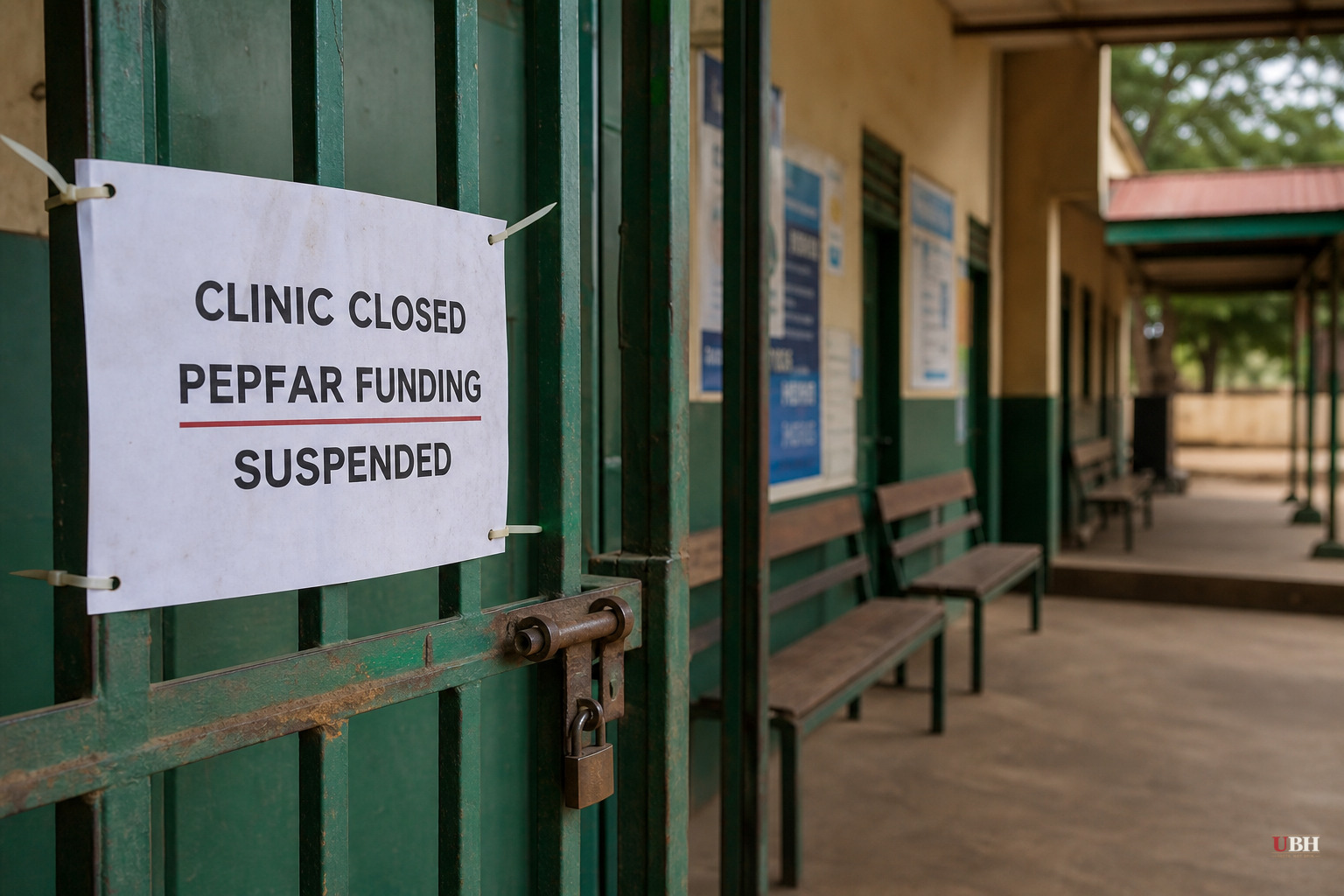
Pepfar, the President's Emergency Plan for Aids Relief, is one of the most successful public health programs the U.S. government has ever run. Created in 2003 under President George W. Bush, it's credited with saving more than 26 million lives globally, according to the Amfar Pepfar Pulse report set to be presented at the 26th International Aids Conference in Rio de Janeiro next week.
That track record is now colliding with the Trump administration's 2025 decision to slash foreign aid spending and dissolve USAID, which had managed more than half of Pepfar's grants.
What the Report Found
Amfar surveyed 166 organizations across 46 countries that were slated to receive Pepfar funding in 2025. More than half reported at least one terminated award. The result: over 1,700 clinics, drop-in centers, and other service sites shut down. More than 16,000 full-time staff lost their jobs.
Elise Lankiewicz, co-lead author of the report and a researcher at Amfar, said the disruption reached corners of the program the administration had specifically pledged to protect. "Disruption was incredibly widespread," Lankiewicz said. "No part of the programme really escaped unscathed — and that includes areas of the programme that this administration intended to protect."
In February 2025 the administration issued a waiver meant to exempt life-saving treatment and mother-to-child transmission prevention programs from the funding freeze. The Amfar data suggests that waiver didn't work as intended. Almost two-thirds of organizations providing mother-to-child transmission prevention services reported disruption, and a fifth ended those services entirely. A fifth of organizations providing HIV care and treatment stopped at least one service.
Lankiewicz's explanation is a systems one, not necessarily a political one: "The reality is it's incredibly hard to cut one award without there being ripple effects throughout the system." Pepfar operates through a dense web of subgrants and partner organizations. Yanking funding from one link in that chain doesn't stay contained. Supply chains for lab commodities, condoms, and drugs got disrupted even at sites theoretically shielded by the waiver.
Five of the surveyed organizations closed entirely, with three closures tied directly to the funding cuts.
The DEI and Reproductive Rights Angle
The report also found that organizations still receiving U.S. funding are altering their programs to comply with Trump administration policies targeting diversity, equity and inclusion initiatives, reproductive rights, and gender-affirming care. That's a legitimate policy choice by an elected administration setting conditions on how taxpayer money gets spent abroad. Whether those conditions are producing better or worse health outcomes on the ground is a separate, empirical question the report is trying to answer, and the answer it gives is that compliance is coming at a cost to service delivery.
The Fair Case for Reform
Foreign aid programs, including Pepfar, have faced legitimate scrutiny for years over waste, lack of oversight, and mission creep unrelated to their original public health mandate. Critics of the pre-2025 status quo, including some in Congress, argued that USAID's sprawling grant structure lacked accountability and that American taxpayers deserved a harder look at where billions in foreign aid dollars actually went. A White House pushing for stricter conditions on aid spending, and for winding down an agency it viewed as bloated, is not inherently indefensible. The administration has also said its February 2025 waiver was designed specifically to prevent exactly the kind of treatment disruption Amfar is now documenting.
The problem the Amfar data raises isn't whether reform was warranted. It's whether the execution matched the stated intent. A waiver that was supposed to protect life-saving treatment apparently didn't stop a fifth of care and treatment providers from cutting services anyway. That's either a waiver-design failure, an implementation failure at the agency level, or some mix of both. The report doesn't fully untangle which.
The Trump administration has not publicly responded to the specific Amfar findings as of this report. No congressional hearing or formal review of the waiver's implementation has been announced. The core open question is whether the 16,000 lost jobs and 1,700 closed sites represent a temporary, correctable disruption during a restructuring, or a permanent reduction in Pepfar's global footprint. Amfar's researchers are set to present the full findings at the Rio conference, where U.S. officials, foreign governments, and public health groups will get their first joint forum to respond.
Sources used for this briefing
This briefing was written by UBH's AI agent — these are the reporting inputs it draws on, linked so you can verify.


