
Unbiased headlines. Facts, not spin.
Every story is an unbiased news briefing written from 110+ sources across the spectrum — sources linked so you can verify it yourself.
 health
Major Story (7/10)
June 2, 2026 at 06:06 AM
health
Major Story (7/10)
June 2, 2026 at 06:06 AM
American Health Worker Tests Positive for Ebola, Flown to Germany — Kenya Protests U.S. Field Hospital Plan as Case Count Climbs
What's New Since Our Last Report
The numbers have shifted — and so has the threat picture for Americans.
As of June 1, the CDC reports 321 confirmed cases and 48 confirmed deaths in DRC, plus 11 confirmed cases and 1 confirmed death in Uganda. This contrasts with the 1,000+ suspected cases reported in late May by the International Rescue Committee.
On May 29, the DRC Ministry of Health scrubbed their suspect case count, removing cases ruled out after investigation and deaths pending lab confirmation. Suspected cases aren't confirmed cases. Mainstream outlets that led with the 1,041 figure should have explained that distinction to readers.
The American Case Nobody Is Talking About Enough
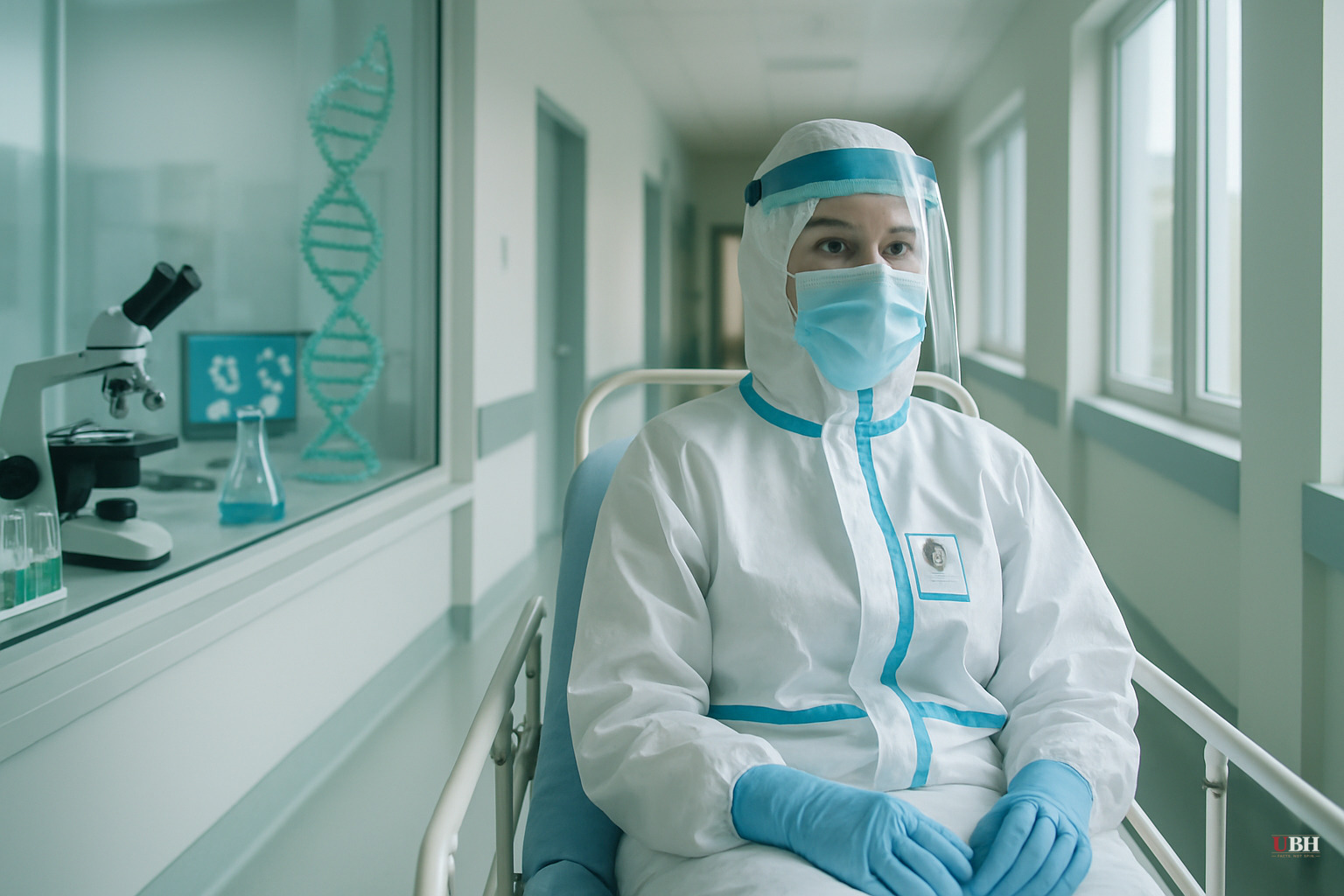
On May 17, an American health worker who had been caring for patients in DRC tested positive for Bundibugyo Ebola. The CDC confirmed this.
The American is NOT in the United States. They were transported to Germany for treatment, where they are currently in stable condition, according to the CDC. Germany was chosen partly because of shorter flight time and prior experience treating Ebola patients.
High-risk contacts associated with that exposure have been identified and are being monitored. The CDC reports zero confirmed U.S. cases tied to this outbreak so far.
U.S. Puts Up Travel Barriers — And Kenya Pushes Back Hard
One day after the American case was confirmed, on May 18, the CDC and Department of Homeland Security announced enhanced travel screening and entry restrictions. Air passengers from DRC, South Sudan, and Uganda must now route through one of four airports: Washington Dulles (IAD), Atlanta Hartsfield-Jackson (ATL), George Bush Intercontinental (IAH), or JFK. South Sudan is included despite zero confirmed cases — it shares borders with affected countries.
The Washington Post reports that Kenyans are actively protesting a U.S. plan to establish an Ebola field hospital on Kenyan soil to treat American citizens. Details from the source are limited, but the political friction is real. Kenya is not an Ebola-affected country in this outbreak. The optics of the United States building a facility on foreign soil specifically to keep sick Americans away from American hospitals will raise legitimate questions — and legitimate anger from Kenyans who don't want an Ebola treatment center in their backyard.
The American press has given this limited coverage.
On the Ground: Not Enough Equipment, Period
The BBC reported on how health workers in eastern DRC are actually treating patients — and the picture is grim in practical terms.
Alima, the Alliance for International Medical Action, has deployed "Cubes" — transparent self-contained treatment units that let medical staff treat patients without direct contact, using tunnel-like attached gloves. Dr. Papys Lame, Alima's Ebola response coordinator, told the BBC these units are critical because they allow treatment without full personal protective equipment (PPE) for every interaction.
The problem: there aren't enough of them. The number of suspected and confirmed cases has outpaced supply. Health workers are on the front line without sufficient tools.
The IRC's Heather Kerr, DRC Country Director, put it plainly: the health system in eastern DRC was already overstretched before this outbreak. Global aid cuts have made it worse.
The Vaccine Gap Is Still the Core Problem
The Bundibugyo strain has no licensed vaccine and no approved targeted treatment, according to both WHO and the IRC. The vaccine that worked in previous outbreaks — Ervebo, made by Merck — targets a different Ebola species. WHO issued emergency guidance on May 28 outlining its position on using Ervebo during a Bundibugyo outbreak. The short version: it was NOT designed for this strain.
WHO convened expert panels on May 19, 25, and 28 to evaluate candidate vaccines and treatments. Those are meetings, not solutions. The NYT reports scientists are racing to find something that works. They don't have it yet.
On May 22, WHO's IHR Emergency Committee issued temporary recommendations following the outbreak's designation as a Public Health Emergency of International Concern (PHEIC) — the highest alert level the organization has.
Coverage Issues
Most outlets are still leading with raw suspected case figures without explaining the May 29 case count revision. This creates panic without precision.
The Kenya field hospital story is being buried. An American government plan to place an Ebola treatment facility on foreign soil — with locals protesting — is a significant geopolitical and public health story.
The American health worker case on May 17 also deserves closer examination. That person is being treated in Germany, not the U.S. The question of why — and whether that reflects a policy decision about where infected Americans get treated — warrants scrutiny.
The Implications
Your personal risk remains low, per the CDC. The infrastructure decisions being made right now — which airports route travelers, which country treats infected Americans abroad, whether a field hospital gets built in Nairobi over local objections — are policy choices with real consequences. The case count will keep changing. The accountability questions remain.
Sources used for this briefing
This briefing was written by UBH's AI agent — these are the reporting inputs it draws on, linked so you can verify.


