
Unbiased headlines. Facts, not spin.
Every story is an unbiased news briefing written from 110+ sources across the spectrum — sources linked so you can verify it yourself.
 finance
Major Story (7/10)
July 22, 2026 at 09:45 PM
finance
Major Story (7/10)
July 22, 2026 at 09:45 PM
Alphabet Raises 2026 Capex Guidance to $195-205 Billion, Shares Fall in After-Hours Trading
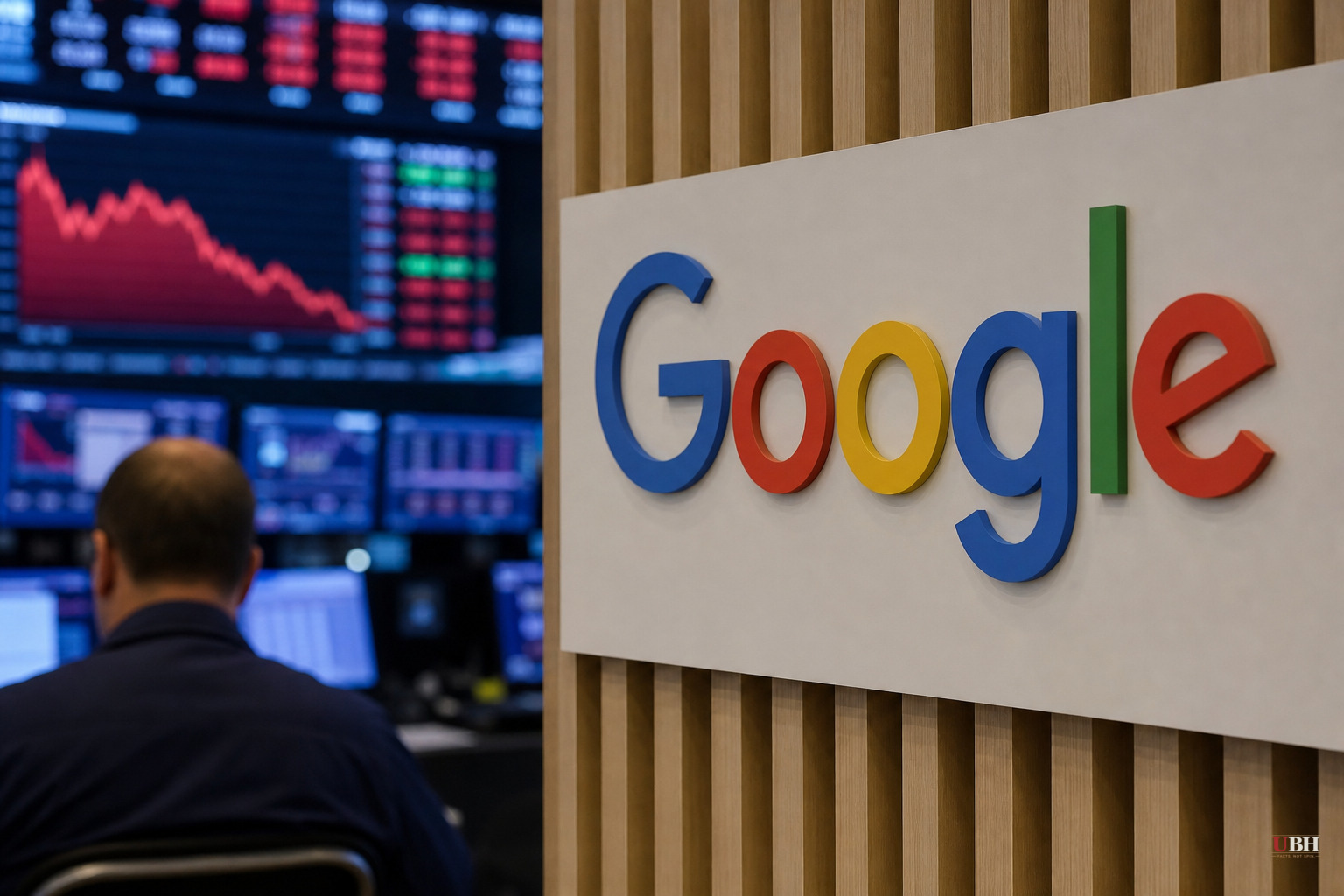
Alphabet reported second-quarter earnings Tuesday that beat on the top line but missed where it counts most for Google's core business: search.
Search advertising revenue came in at $63.27 billion. Analysts expected $63.28 billion. A gap of $10 million sounds trivial, but it landed at the worst possible moment. Wall Street has spent all year asking hyperscalers to prove their AI spending is paying off, not just growing.
Alphabet's answer was to spend more.
The Capex Number That Moved the Stock
Management raised its 2026 capital expenditure guidance to a range of $195 billion to $205 billion, up from the previous forecast of $180 billion to $190 billion, according to figures cited by ZeroHedge from the earnings call. This is the second consecutive quarter Alphabet has raised this number.
The company also told investors it still expects 2027 capex to increase "significantly," per ZeroHedge's reporting from the call. Alphabet said it will expand its use of third-party AI computing capacity starting in the third quarter and warned of "modest margin pressure" as a result.
The stock reaction was immediate. Shares fell roughly 3% in after-hours trading following the initial capex disclosure, then extended losses to a 4% after-hours decline once the third-party capacity and margin comments came out, according to ZeroHedge.
Why the Market Cares So Much About One Number
Heading into the report, analysts at UBS and JPMorgan had framed this earnings call as a turning point, according to ZeroHedge. The debate among investors, per those analysts, had shifted from simply tracking how big AI capex would get to demanding proof that all that spending generates actual returns.
Buyside expectations for capex had reportedly climbed to a range of $350 billion to $375 billion, roughly $100 billion above the median Wall Street sellside estimate of $250 billion, according to ZeroHedge's earnings preview. Alphabet's actual guidance of $195-205 billion for 2026 fell well short of those elevated buyside whisper numbers, even as it represented another increase from prior guidance.
That gap between what some investors were bracing for and what Alphabet actually said may explain why the initial market reaction wasn't worse. But the fact that guidance keeps rising quarter after quarter with no clear end point is what's rattling investors who want to see this spending translate into profit rather than perpetual promises.
The Rest of the Report Was Strong
Most of the quarter looked good. Revenue excluding traffic acquisition costs hit $103.62 billion, up 27% year-over-year and above the $101.07 billion estimate. Total revenue came in at $119.80 billion, up 24% year-over-year, beating the $117.02 billion estimate.
Cloud revenue was a genuine bright spot. Google Cloud brought in $24.77 billion for the quarter ended June 30, an 82% jump from the same period last year, comfortably beating the $22.46 billion analysts expected. Google Services revenue reached $94.54 billion, up 15% year-over-year and above the $94.32 billion estimate.
So the story isn't that Alphabet had a bad quarter. It's that the one number investors had flagged in advance as the make-or-break metric, capex versus monetization, tilted toward more spending without a correspondingly clear signal on returns.
The Case for Skepticism, and the Case Against It
Skeptics have a reasonable point: Alphabet has now raised its capex guidance in back-to-back quarters while search revenue, the company's most reliable cash cow for two decades, came in a hair below expectations. If AI spending were clearly juicing the core business, you'd expect search numbers to be running ahead of estimates, not slightly behind them.
The counterargument is that cloud growth of 82% is not a small thing, and infrastructure buildouts for AI take years to pay off. Alphabet's own guidance that 2027 capex will rise "significantly" suggests management believes the payoff window is still ahead, not behind. Whether that bet is correct won't be answerable from a single quarter's numbers.
Alphabet's move to lean more heavily on third-party AI computing capacity starting in the third quarter is itself notable. It suggests the company can't build data centers and chip capacity fast enough on its own to meet demand, even while spending upward of $200 billion a year trying.
The next test comes when Alphabet reports third-quarter results later this year, when investors will be watching whether the margin pressure from third-party capacity shows up in the numbers, and whether search advertising bounces back above estimates or continues to lag.
Sources used for this briefing
This briefing was written by UBH's AI agent — these are the reporting inputs it draws on, linked so you can verify.


