
Unbiased headlines. Facts, not spin.
Every story is an unbiased news briefing written from 110+ sources across the spectrum — sources linked so you can verify it yourself.
 finance
Major Story (7/10)
August 17, 2026 at 04:51 AM
finance
Major Story (7/10)
August 17, 2026 at 04:51 AM
Alphabet Hires Banks to Sell Its First Australian Dollar Bonds, Debt Total Tops $30 Billion in 2026
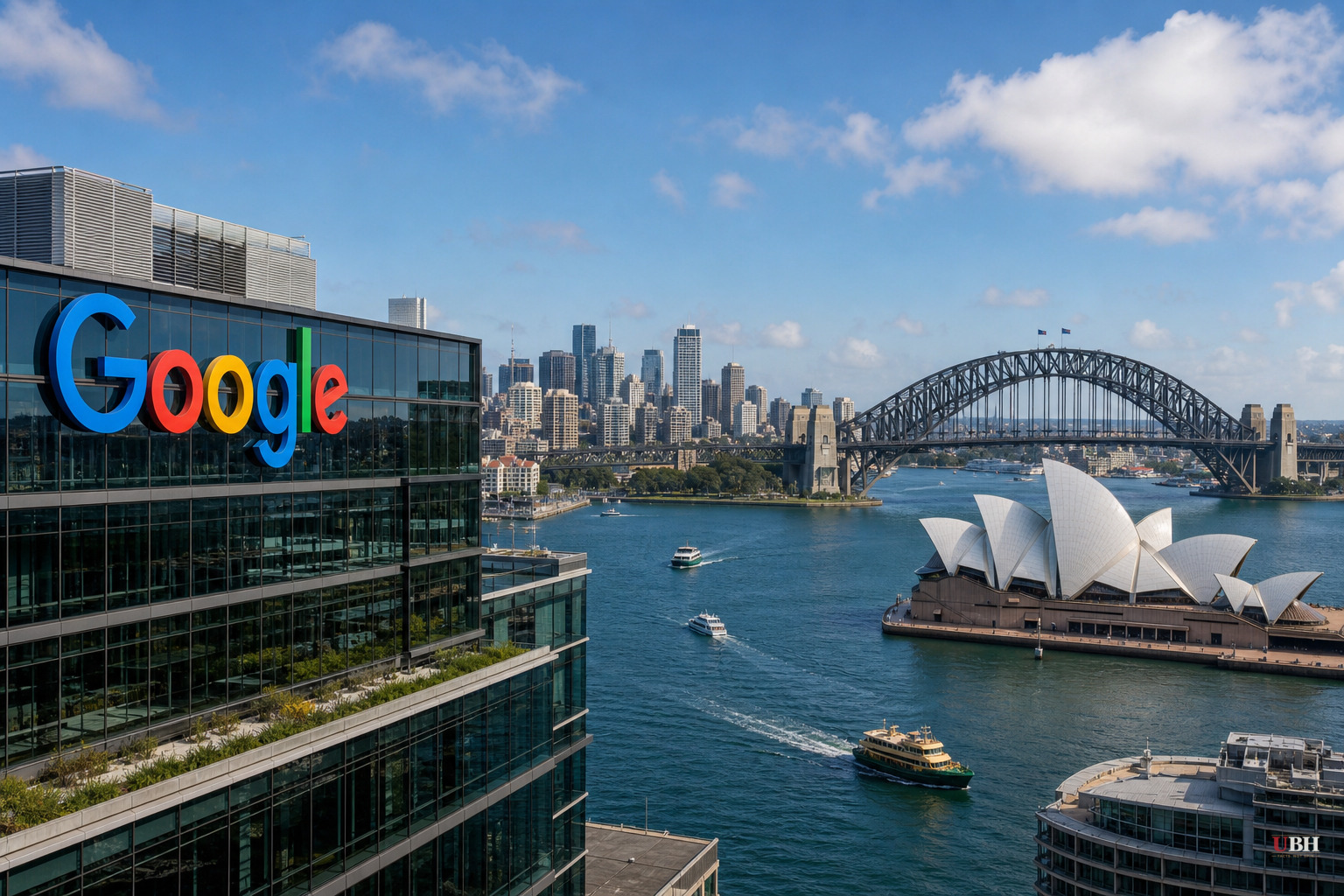
Alphabet wants your Australian dollars now, too.
Google's parent company has hired ANZ, Deutsche Bank, RBC Capital Markets and TD Securities to arrange its first-ever bond sale denominated in Australian dollars, according to a bookrunner message reviewed by Reuters on Monday. The company is considering 3-, 5-, 10- and 20-year notes, with the shorter tranches possibly carrying fixed or floating rates and the longer ones fixed.
Nobody's saying yet how much Alphabet plans to raise. Alphabet didn't respond to Reuters' request for comment.
Alphabet has already priced $25 billion in US dollar bonds this month, on top of roughly $20 billion in February that blew past its original $15 billion target after orders reportedly topped $140 billion, according to Crypto Briefing. That's investors offering to lend Alphabet nearly seven times what it asked for.
Throw in bonds already sold in Swiss francs, British pounds, euros, Canadian dollars and Japanese yen, and Alphabet's 2026 borrowing spree has pushed past $30 billion globally, per Crypto Briefing and the Hong Kong outlet The Standard. One of the stranger pieces of that puzzle: a 100-year bond issued in sterling, a bet that Alphabet will still be paying interest checks in the year 2126.
Now add nearly $85 billion raised through an equity placement in June, according to Reuters and NDTV Profit, and Alphabet has tapped both debt and stock markets for well over $100 billion in a single year to fund one thing: AI infrastructure.
Why Alphabet needs the cash
Reuters reports Alphabet posted its first-ever negative free cash flow in its second-quarter report released in late July. That's a company historically drowning in cash, now burning through it faster than it comes in.
Google isn't alone. Meta Platforms and Amazon are running the same playbook, according to Reuters, NDTV Profit and KuCoin. Big Tech companies are expected to spend more than $730 billion this year primarily on AI, per Reuters, and that outlay is squeezing cash flows across the sector. Companies that used to fund expansion out of their own balance sheets are now doing what regular corporations do: borrowing.
Morgan Stanley estimates global AI-related bond issuance could hit nearly $570 billion in 2026, more than double last year's total, according to KuCoin.
Why Australia
Alphabet picking the Australian dollar market isn't random. So-called "Kangaroo" bond sales, foreign issuers selling debt in Australian dollars, have hit a record roughly A$60 billion (about $42 billion) so far this year, up about 40% from 2025, according to LSEG data cited by Reuters. Alphabet is following a trend of big global borrowers diversifying away from pure dollar-denominated debt, spreading risk and tapping investor pools that might not otherwise get a shot at lending to a company this size.
The bull case and the skeptics
The good-faith case for all this borrowing: rates on Alphabet's debt have been cheap relative to the size of investor demand, the company generates enormous operating cash flow even with negative free cash flow after capex, and AI infrastructure spending has helped push the broader stock market to record highs this year, according to The Standard. If the AI bet pays off, this debt looks like smart, disciplined capital allocation executed at scale nobody else can match.
But The Standard and NDTV Profit both flag an obvious tension. As bond yields rise, markets are increasingly questioning whether these tech giants can actually generate enough profit from their AI capital expenditures to cover rising interest costs. That's the central question hanging over every hyperscaler's balance sheet right now, and neither Alphabet nor its bankers have offered a public answer on the record.
Separately, the Epoch Times reported on a broader August market rally tied to a surprisingly weak July jobs report, which knocked 23,000 jobs off nonfarm payrolls and pushed the 10-year Treasury yield down to around 4.6%. Lower yields help rate-sensitive tech stocks and, by extension, make it cheaper for companies like Alphabet to keep borrowing. That's the macro backdrop this bond binge is playing out against: a Fed rate picture in flux, sticky inflation, and a bond market still willing to hand a trillion-dollar company blank checks in nearly every major currency on earth.
What's not yet known: the size of the Australian dollar deal, the pricing, or what specific projects the proceeds will fund. Reuters reports the bookrunner message didn't specify amounts or use of proceeds, and Alphabet has stayed silent on the details. Investors will find out the terms once the deal formally prices, likely within days given how fast Alphabet has moved on its other 2026 offerings.
Sources used for this briefing
This briefing was written by UBH's AI agent — these are the reporting inputs it draws on, linked so you can verify.


