
Unbiased headlines. Facts, not spin.
Every story is an unbiased news briefing written from 110+ sources across the spectrum — sources linked so you can verify it yourself.
 finance
Major Story (7/10)
August 6, 2026 at 11:13 PM
finance
Major Story (7/10)
August 6, 2026 at 11:13 PM
Alphabet Goes Back to the Bond Market for $25 Billion More to Fund AI Spending, Its Third Debt Raise This Year
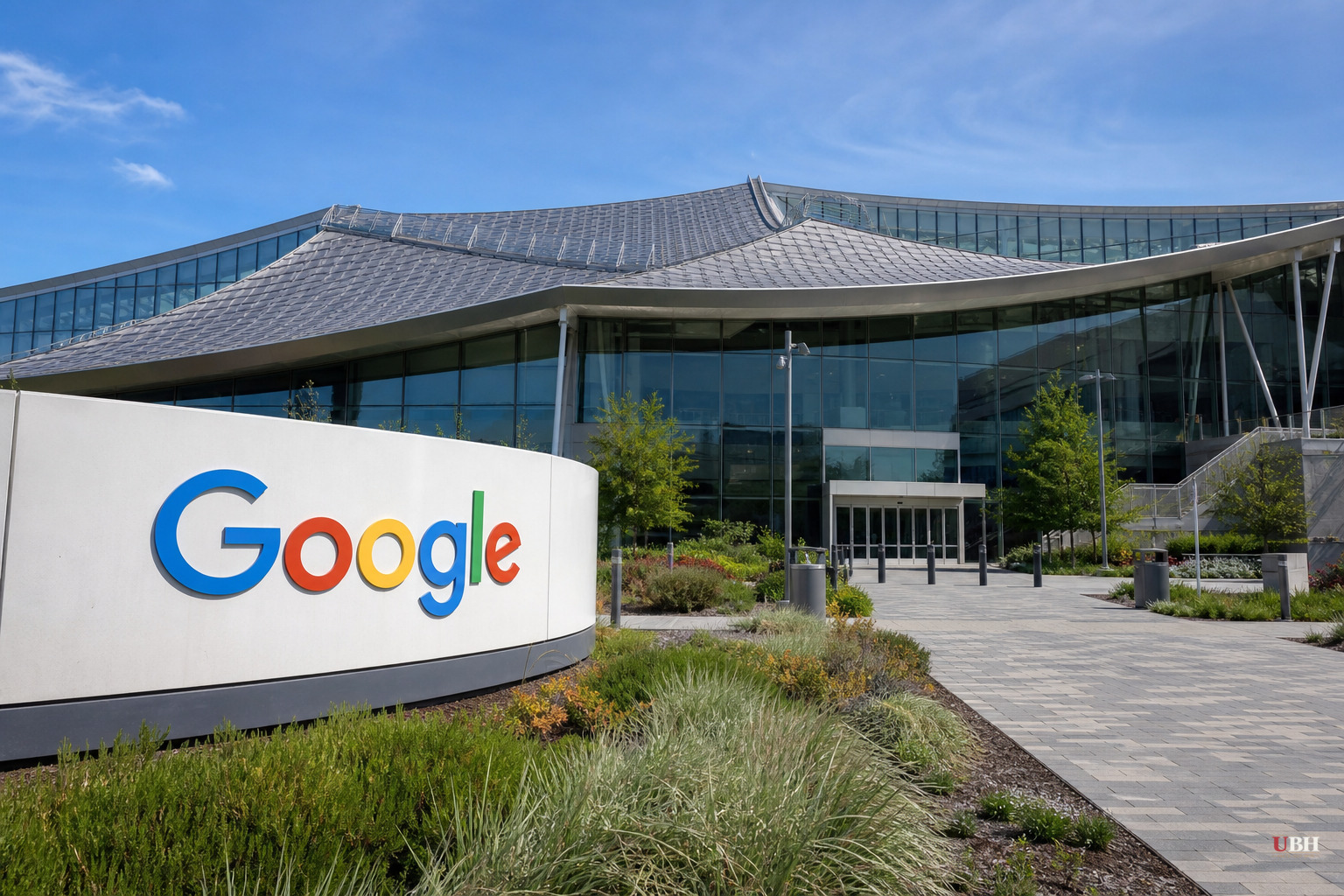
Alphabet is back at the bond market, again.
The Google parent company filed a preliminary prospectus supplement on Thursday for a new investment-grade bond offering of up to $25 billion, spread across as many as 10 tranches with maturities ranging from two years to 40 years, according to Bloomberg. It's Alphabet's third major capital raise of 2026.
This one drew heavy demand. Wolf Street reported Alphabet received $115 billion in orders for the deal, more than four times the amount it's seeking to raise. Goldman Sachs, JPMorgan Chase, Morgan Stanley, Bank of America, Citigroup and Wells Fargo are managing the sale.
Investors showing up in force isn't a surprise. It's happened before. ZeroHedge noted that Alphabet's prior offerings have typically been upsized and oversubscribed, with bonds often sliding once they start trading. The pattern here looks the same.
Why Alphabet needs the cash
The numbers explain the urgency. Alphabet spent $45 billion in the second quarter alone on capital expenditures, mostly AI infrastructure like data centers, according to Wolf Street. That's double what it spent a year earlier. The result: negative free cash flow of $6 billion in the quarter, the first negative free-cash-flow quarter in Alphabet's history as a public company, according to Morningstar.
And it's not slowing down. On its Q2 earnings call in July, Alphabet raised its full-year 2026 capital expenditure guidance to a range of $195 billion to $205 billion, up from the previous $180 billion to $190 billion range, Wolf Street reported. The company also said 2027 spending would increase significantly beyond that.
This is Alphabet's third bond raise since November 2025. That first offering brought in $25 billion and quadrupled the company's long-term debt to $46 billion, according to ZeroHedge. A February follow-up raised more than $30 billion, including a rare 100-year-maturity note, per Morningstar. Combined with a June equity raise of $85 billion through stock and mandatory convertible preferred shares, Alphabet has now tapped capital markets for well over $150 billion this year before counting the new bond sale.
Alphabet's total debt load has surpassed $100 billion and is climbing fast, according to ZeroHedge.
The industry-wide borrowing spree
Alphabet isn't alone. Four companies alone, Alphabet, Amazon, Meta and Oracle, have sold $194 billion in bonds this year to fund AI infrastructure, according to a Bank of America note cited by Wolf Street. Add Alphabet's latest deal and the year-to-date total climbs past $219 billion, not counting equity raises. SpaceX also issued $25 billion in debt in June.
Across the six biggest AI infrastructure players, Alphabet, Amazon, Microsoft, Meta, Oracle and SpaceX, combined 2026 capital expenditures are projected to hit between $800 billion and $900 billion, according to Wolf Street, and that figure keeps getting revised upward.
Cracks in the credit market
Not everyone is comfortable with how fast this is moving. ZeroHedge reported that hyperscaler bond spreads "blew out" again this week, following a rout last month that pushed hyperscaler credit-default-swap spreads to the widest levels on record. SpaceX bonds, which ZeroHedge described as having become the "fulcrum" security for AI-related debt, dropped on the news of Alphabet's latest offering.
The reaction wasn't confined to corporate debt. Wolf Street noted that when the offering news broke, the 10-year Treasury yield rose about 6 basis points to 4.67%, as investors weighed higher-yielding corporate bonds against government debt.
Alphabet's stock dipped modestly on the news. Shares fell 1.4% Thursday afternoon, according to Morningstar; Wolf Street put the decline at 1.0%. Either way, it's a small move, not a crash, and it reflects a stock price reaction, not a claim about what any specific investor gained or lost.
Leadership turnover adds to the uncertainty
The spending surge is colliding with turbulence inside Alphabet's AI division. Longtime Google executive Jeff Dean announced this week he's leaving to start his own company, Morningstar reported. DeepMind founder Demis Hassabis also stepped down as CEO of the AI lab, though he remains at Alphabet in a research-focused role as chief scientist.
The changes follow a delay to Alphabet's flagship Gemini 3.5 Pro model, originally slated for a June release. Morningstar reported the model reportedly fell short of internal benchmarks and still hasn't shipped.
None of this means Alphabet's AI bet is failing. The company is generating enough investor confidence to get $115 billion in orders for a $25 billion bond sale. But the combination of negative free cash flow, a fast-growing debt pile, executive departures and a delayed flagship product creates questions Alphabet hasn't yet answered for the market.
The open question now is whether the eventual payoff from AI infrastructure spending arrives fast enough, and big enough, to justify a debt load that's grown from roughly $46 billion to well over $100 billion in under a year. Alphabet did not immediately respond to a request for comment from MarketWatch on the offering.
Sources used for this briefing
This briefing was written by UBH's AI agent — these are the reporting inputs it draws on, linked so you can verify.


