
Unbiased headlines. Facts, not spin.
Every story is an unbiased news briefing written from 110+ sources across the spectrum — sources linked so you can verify it yourself.
 finance
Major Story (7/10)
July 29, 2026 at 02:12 AM
finance
Major Story (7/10)
July 29, 2026 at 02:12 AM
Alphabet Fell 7% on Capex News. Now Microsoft, Meta and Amazon Face the Same Test This Week
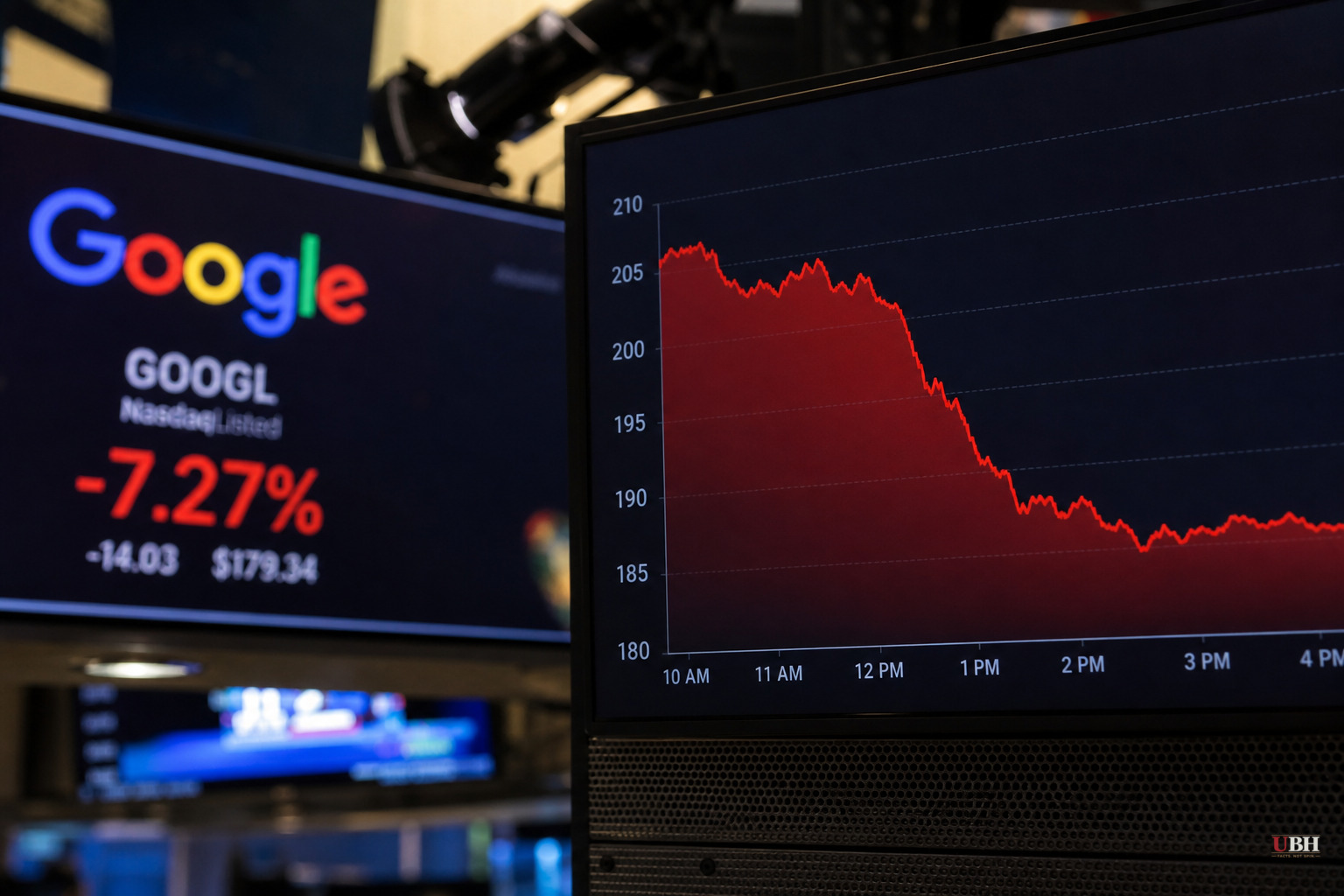
Alphabet's earnings report last Wednesday was supposed to be the easy one. Instead it became the warning shot for the rest of Big Tech.
Google's parent company raised its 2026 capital expenditure forecast alongside its second-quarter results, pouring more money into data centers to keep up with AI demand. Shares fell 7% the next day, according to CNBC. Amazon, Meta and Microsoft all dropped too, even though none of them had reported anything yet.
That's the backdrop heading into this week. Microsoft and Meta report after the close Wednesday, July 29. Amazon follows Thursday, July 30.
Why Alphabet's Beat Didn't Feel Like a Win
Alphabet had been Wall Street's favorite AI stock, up roughly 70% over the past year, according to CNBC, largely because investors believed the company had cracked the code other hyperscalers hadn't: turning massive AI infrastructure spending into actual cloud revenue growth. Its Gemini models have also gained ground in a field led by OpenAI and Anthropic.
That track record bought Alphabet patience that other companies may not get. Investors have spent the last several quarters cheering capex increases as a sign of strong demand. Last week, for the first time in a while, that pattern broke.
Mark Mahaney, head of internet research at Evercore ISI, wrote in a note that Alphabet's capex increase "increases the odds of similar behavior" from Amazon and Microsoft, per CNBC. Cowen analyst Derrick Wood was blunter, telling CNBC that if Microsoft raises its own spending forecast, "it's probably going to lead to selling pressure in the stock," based on how the market reacted to Google.
What Each Company Is Walking Into
Microsoft guided in April to roughly $190 billion in combined capex and finance leases for 2026, including $25 billion tied to higher component costs as AI chip demand strains memory supply, according to CNBC. Analysts polled by Visible Alpha currently expect $190.1 billion, essentially in line with that guidance, but the open question is whether Microsoft raises that number again this week the way Alphabet just did.
Amazon's situation is similar but with more moving pieces. The company guided to $200 billion in 2026 capex back in February and held that line in April, with CEO Andy Jassy telling investors at the time the company's "plan is largely the same," per CNBC. Then Alphabet lifted the top end of its own forecast to $205 billion, and Wall Street responded by nudging its Amazon estimate up almost $2 billion, to $207.4 billion, according to Visible Alpha data cited by CNBC.
Several analysts said earlier this month they expect Amazon to raise its 2026 capex guidance again this week, citing rising memory prices and Amazon's expanding bets on custom AI chips and its satellite internet project, per CNBC.
The Skepticism Is Real, But So Is the Demand
Cloud revenue at these companies has kept growing, and AI workloads are not slowing down. If Microsoft, Amazon and Meta are chasing real customer demand for AI compute, spending more to build data centers isn't reckless, it's meeting a backlog. Alphabet's cloud business, for instance, has been growing faster than its rivals, which is part of why it earned Wall Street's benefit of the doubt in the first place.
The skeptic's case is just as strong. These are enormous sums of shareholder cash being committed with no guarantee of matching revenue, at a moment when memory and component prices are rising and squeezing margins on top of the spending itself. Jake Dollarhide, CEO of Longbow Asset Management, whose top holding is Amazon, wrote in an email cited by CNBC that Amazon could struggle to impress investors "in this environment of growing AI fatigue, the sudden questioning of meteoric capex budget increases."
Neither view has been proven wrong yet. Nobody can say definitively whether this spending pays off, because the AI products it's funding are still relatively new and the revenue attribution is murky. That uncertainty is exactly what's driving the stock reaction, not a hidden scandal or a company misleading investors. Alphabet didn't lie about its numbers, it just spent more than the market wanted, and the market punished the stock for it.
What Happens Next
Microsoft and Meta report Wednesday after the close. Amazon reports Thursday. The specific number to watch in each report isn't earnings per share, it's the size and direction of the 2026 capex guidance and how each CEO defends it on the call.
If Wood's read is right, and Alphabet's reaction is the new template, then any capex increase from Microsoft or Amazon this week could trigger the same kind of sell-off, regardless of how strong the underlying quarter looks. Whether that actually happens is something markets will know by Thursday's close.
Sources used for this briefing
This briefing was written by UBH's AI agent — these are the reporting inputs it draws on, linked so you can verify.


